The short version: if you're buying an injection mold or die-casting tool in Q3 2026, you have negotiating leverage you probably don't know about. Domestic Chinese mold steel fell as much as 15% this quarter while imported steel and machine-hour rates stayed flat. On the casting side, the aluminum-zinc price gap has nearly closed — die-casting aluminum ADC12 rose about 3% while zinc alloy dipped.
These are not analyst estimates. These are the prices my manufacturing group actually paid and quoted this quarter, published so hardware founders can check their supplier quotes against real numbers.
The numbers this quarter
Mold steel — what your tooling is made of
| Steel grade | Q3 2026 price | vs Q2 | USD equivalent |
|---|---|---|---|
| P20, domestic | ¥5.9/kg | ↓ ~15% | ~$0.82/kg |
| 718H, domestic | ¥14–18/kg | ↓ ~8% | ~$1.95–2.50/kg |
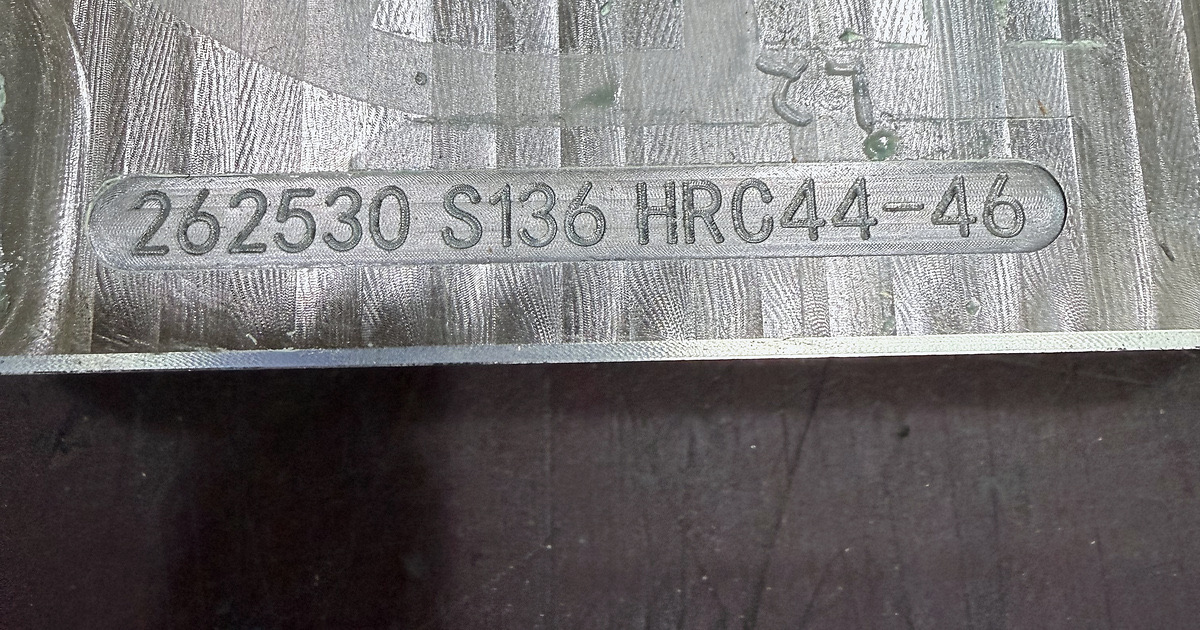
| S136, domestic | ¥25–32/kg | ↓ ~5% | ~$3.50–4.45/kg |
| ASSAB 718 (imported) | ¥35–45/kg | flat | ~$4.85–6.25/kg |
| ASSAB S136 (imported) | ¥60–80/kg | flat | ~$8.35–11.10/kg |
Note the spread: domestic P20 now costs less than 1/6 of imported ASSAB S136. When your mold quote says "P20 steel," ask which tier — the price difference flows straight into your tooling cost.
Injection molding machine rates — flat this quarter
| Press size | Q3 2026 rate | USD equivalent |
|---|---|---|
| ≤160T | ¥80–120/hour | ~$11–17/hr |
| 160–400T | ¥120–300/hour | ~$17–42/hr |
| >400T | ¥300–500+/hour | ~$42–69+/hr |
Die casting alloys — the interesting move
| Material | Q3 2026 price | vs Q2 | USD equivalent |
|---|---|---|---|
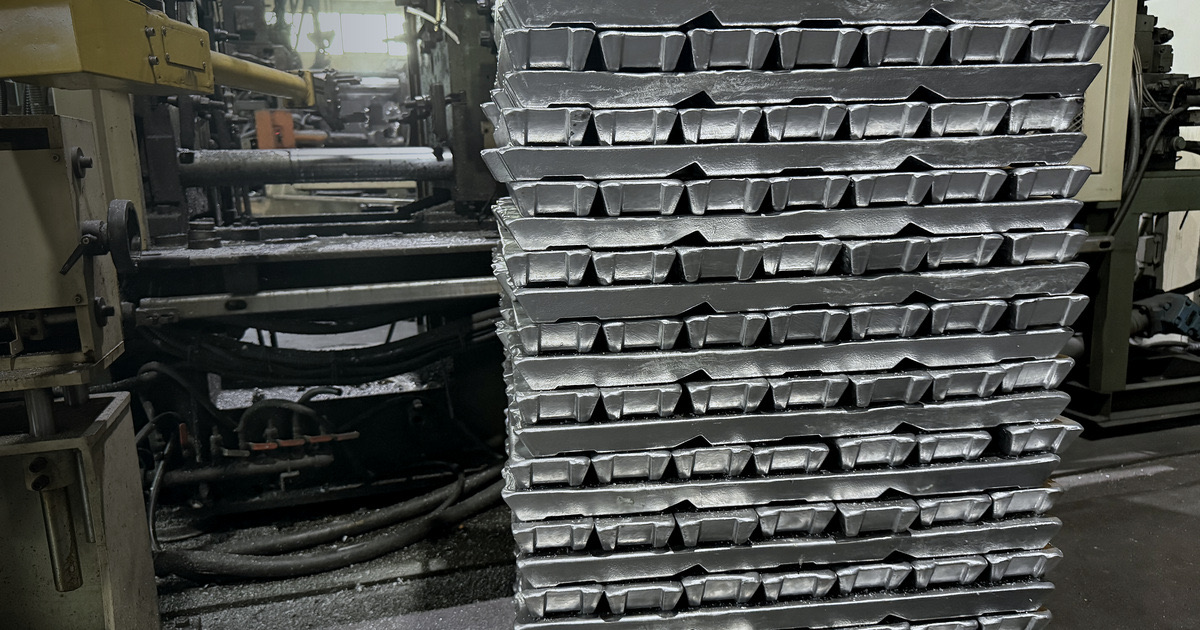
| Aluminum ADC12 ingot | ¥23,900–24,100/ton | ↑ ~3% | ~$3,320–3,350/ton |
| Zinc Zamak 3 ingot | ¥24,905–25,005/ton | ↓ ~1% | ~$3,460–3,470/ton |
| Zamak 3 processing fee | ¥600–700/ton | flat | ~$83–97/ton |
| Zamak 5 processing fee | ¥1,300–1,400/ton | flat | ~$180–195/ton |
The trend that matters
Domestic mold steel is a buyer's market; everything else is sticky.
Chinese domestic tool steel has been sliding on overcapacity and soft domestic demand — P20 down roughly 15% in a single quarter is a big move for a material input. Meanwhile imported ASSAB grades didn't move (import pricing follows brand and logistics, not Chinese mill gates), and machine-hour rates didn't move (those are driven by labor and electricity, not steel).
On the casting side, a quiet crossover is underway: a ton of zinc alloy now costs roughly the same as a ton of die-casting aluminum (¥25.0K vs ¥24.0K). Two years ago zinc carried a clear premium. Aluminum's ~3% rise this quarter narrowed the gap further. Remember that aluminum is 2.5× lighter — so per part volume, aluminum's material cost advantage actually widened this quarter even as its ingot price rose.
One insider detail you won't find in any market report: Zamak 5 processing runs about double Zamak 3 (¥1,300–1,400 vs ¥600–700 per ton) at our operation. If your supplier quoted "zinc die casting" without specifying the alloy, that ambiguity is worth a question — Zamak 5's extra copper buys you hardness and creep resistance, but you pay for it twice: in the ingot and in the processing.
What this means for your project
If you're tooling this quarter: renegotiate the steel line item.
Steel is typically 15–25% of an injection mold's cost. A 15% drop in domestic P20 should show up as roughly a 2–4% reduction in a P20 mold quote versus last quarter — call it $800–1,600 on a $40,000 tool. That's not life-changing money. What matters more: a supplier who passes the reduction along without being asked is telling you something about how they'll handle the next 5 years of your relationship. A supplier holding Q2 steel prices in a Q3 quote is also telling you something.
The practical script: "I've seen domestic P20 pricing come down this quarter — can you walk me through the steel assumption in this quote?" You don't need to know the exact number. Asking the question changes the conversation.
How to use this data
- Comparing mold quotes? Ask each supplier which steel grade and tier they assumed. A ¥5.9/kg P20 mold and a ¥45/kg ASSAB 718 mold are different products with different lifespans — neither is "wrong," but the quote should say which you're buying.
- Deciding aluminum vs zinc? Geometry, wall thickness and operating temperature still decide the alloy — not ingot prices. But if your part is genuinely on the fence, this quarter tilted the material economics slightly further toward aluminum per unit of part volume.
- Budgeting for 2026 H2? Machine rates and imported steel have been stable for multiple quarters. The volatility lives in domestic steel and casting alloys — build your sensitivity analysis around those two.