Shenzhen · since 2005

I was a European brand's China manufacturing director.
Now I do that job for yours.

In 2005 a European appliance brand decided it needed its own people in China. I was the first person they hired. I found the office, fitted it out, wrote the processes, and hired every person on the team.

Twenty years later that operation is still running — but no longer as the brand's cost centre. Same team, same standards, now an independent service provider. The brand stopped carrying the fixed overhead and kept the capability.

That is what is on offer here. Not advice about manufacturing in China. The department itself.

Currently running for an 80-year-old European small-appliance manufacturer and a major European grocery chain — a brand and a retailer, which are not the same discipline.

The short version
  • I built a European brand's China office in 2005 and still run it — it just stopped being their cost centre.
  • You get the department, not advice: suppliers, quality, cost, audits and tooling, run from Shenzhen.
  • Typically 50–65% less than the office it replaces — and unlike an office, it scales down when you do.
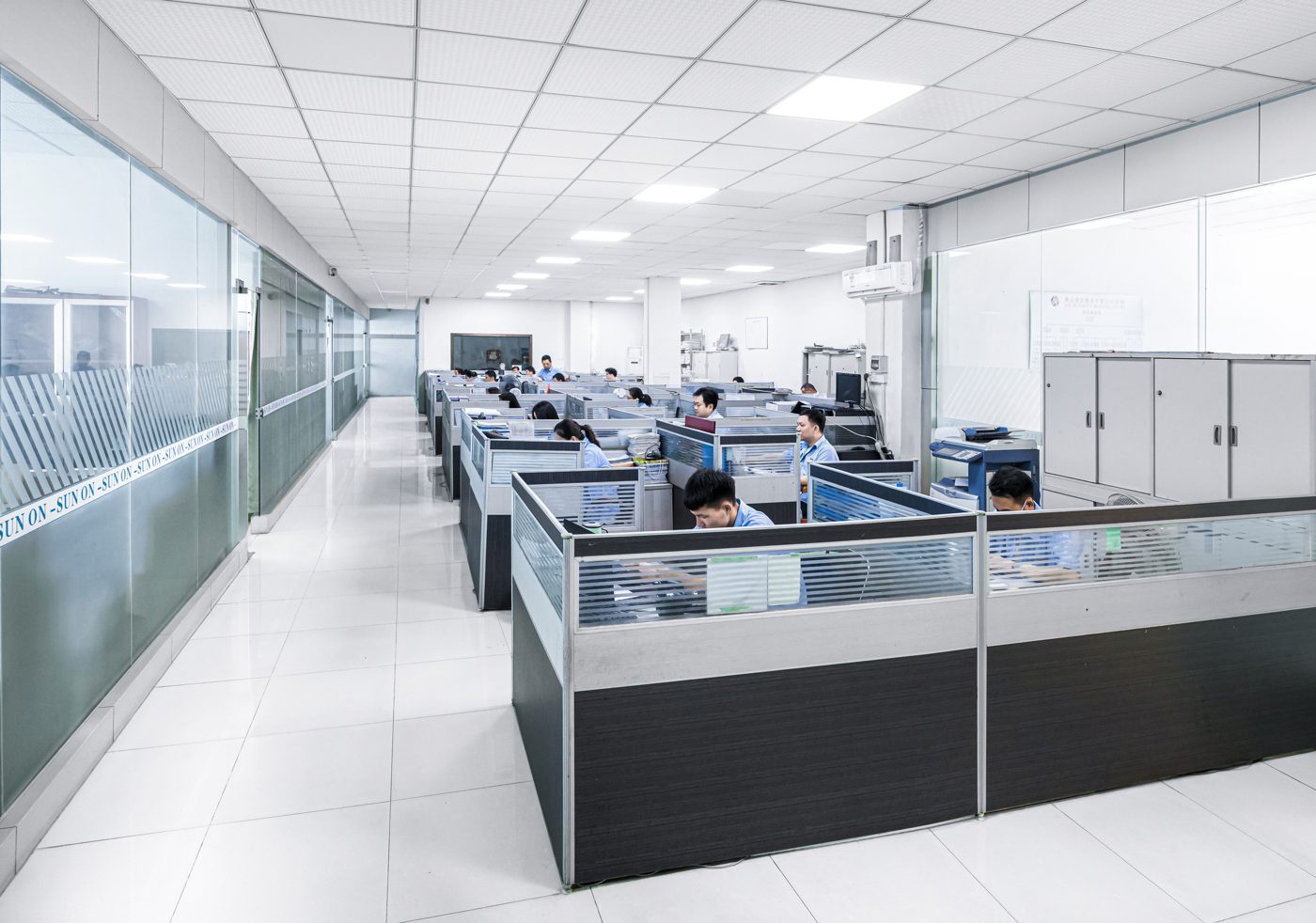
Open-plan engineering and sourcing office in Shenzhen
The department is people at desks in Shenzhen — this is what you are outsourcing
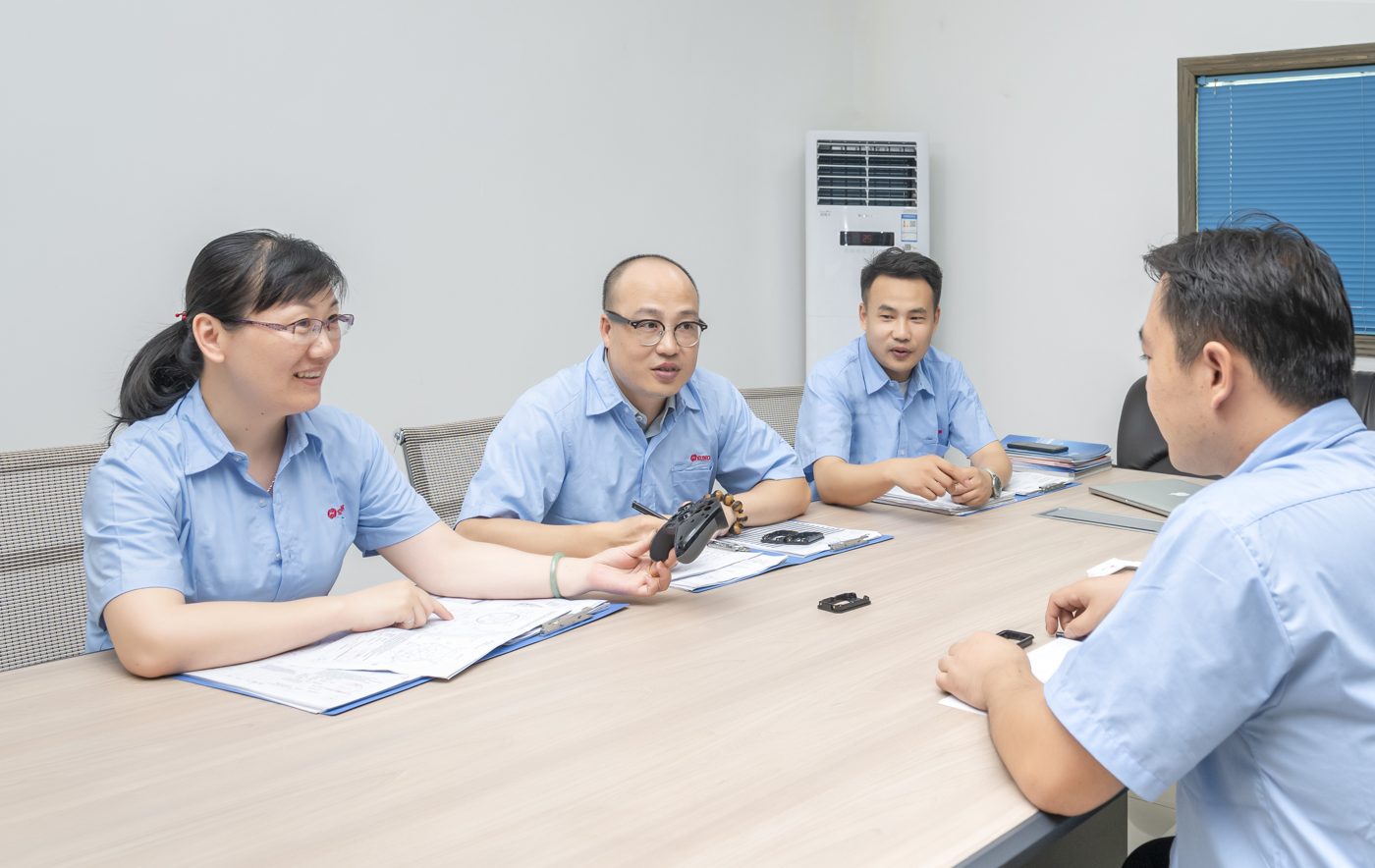
Team reviewing a project in a meeting room
Supplier review, not a monthly PDF sent from a distance
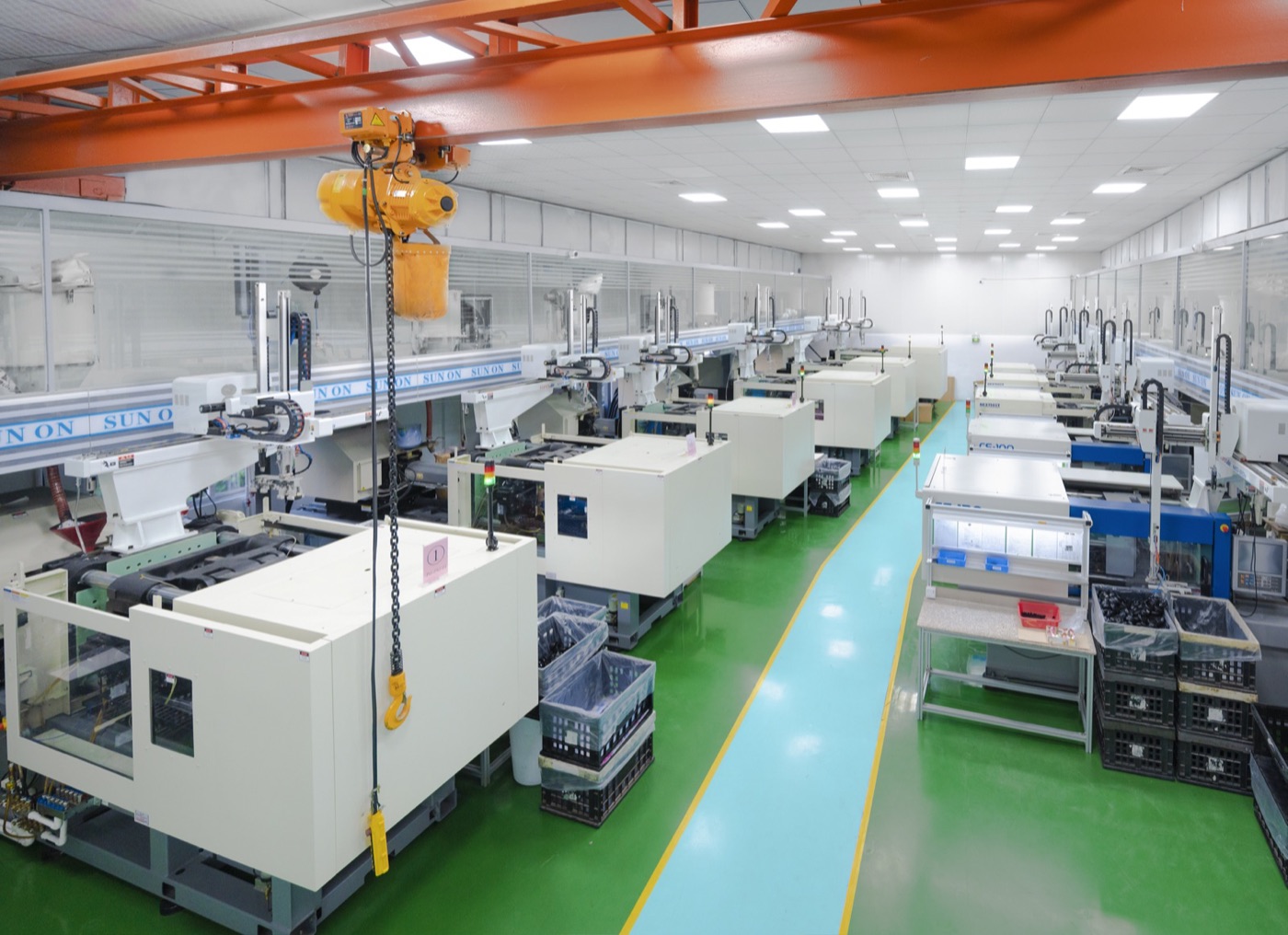
Sun On Industrial Park main gate
And behind it, production — the reason the audits are hard to fool

A scoping call is a working conversation, not a pitch: what you make, where it is made now, how many suppliers are in the BOM, and what is currently unmanaged.

Only need one job doing? Inspection, audits, sourcing and tooling are sold individually — rates published, no contract.

How I handle the obvious conflict

Every procurement lead asks the same question, so it should be answered before it is asked: are you managing my supply chain, or steering orders to your own factories?

No shared personnel

The team that would manage your supply chain has zero personnel overlap with my factories. ShenZhen YinFeng operates independently and carries its own P&L. Its clients pick their own suppliers — my factories can bid, or not bid at all, and it changes nothing about how this team selects on your behalf.

The arithmetic settles it

At finished-product level a bill of materials runs 30 to 60 suppliers. My factories could be two or three of them. The overwhelming majority of what I manage is something I do not make — which is exactly why the incentive to favour my own shops is too small to be worth the relationship.

Read the full answer, including what to put in the contract →

Who this is for

This is a monthly retainer for an established brand. It is not a sourcing service and not a consulting engagement.

You already produce in China

Finished goods, not just components. Real volume, real customers, real warranty exposure. The manufacturing works — but nobody on your payroll is close enough to it.

Your China office costs more than it returns

Two to four people in Shenzhen, plus the recruiting, the management overhead, the fraud risk and the day someone leaves and takes the supplier relationships with them. There is a third option between keeping it and closing it — and the first step is simply getting the cost of closing and the cost of converting written down side by side.

The four-phase carve-out →

Building your first product instead?

That work has not gone anywhere — it is simply a different conversation, and a retainer would be the wrong instrument for it. Everything below is still open, and most of it is free.

Manufacturing

Mould making, injection moulding and die casting through factories I hold — startup-friendly MOQs, DFM review with every quote, and the tooling stays yours in writing.

Capabilities →

Mentorship & investment

Product roadmap, DFM, supply chain and fundraising prep — and where the fit is right, capital alongside the factory access.

Mentorship →  ·  Investment →

Free, no gate

Supplier audit checklist, the quarterly cost index with real mould steel and die casting prices, and the China manufacturing guide.

Templates & checklists →

Why I know what to look for

Thirty years on the manufacturing side, and — unusually for someone offering this service — I also own production. That is not the product being sold here. It is the reason the audits are hard to fool.

30+
Years
hardware, European & US brands
366
Projects
delivered end-to-end
50M+
Units
manufactured
60+
Countries
markets served

Career: Termozeta SpA · SEVERIN Elektrogeräte GmbH · Dickson Household Electric Appliance. Through SunOn Manufacturer Group I hold mould making, injection moulding and die casting capacity in Dongguan — so when a supplier explains why a tolerance cannot be held or why a price has to rise, I have run those machines and I know which explanations are true.

More on the background →

The processes, explained properly

Written from the floor rather than from a brochure — with the tolerances, the cost steps and the parts where I tell you to buy less of something. Diagrams, not walls of text.

CNC machining

Achievable tolerances by machine class, where the cost step really is, and the volume at which machining from solid stops making sense.

Read →

Injection molding

Wall thickness sets your cycle time, your sink marks and your unit cost. Plus the seven lines a molding quote must contain.

Read →

Die casting

Draft compared at 0°, 1° and 3°, why porosity decides more than you think, and the die life number most quotes get wrong.

Read →

Surface finishing

Anodizing, powder coating and plating — including why a die casting will not anodize like the extrusion you were shown.

Read →

Tolerance stack-up

Every part passes and nothing fits. Worst-case versus statistical, and the cheapest place to take variation out.

Read →

Design for manufacture

The same change costs an hour at concept and a re-cut after tooling. What a real review examines — and why most factories send a checklist.

Read →

Also: sheet metal — bends, flanges and reliefs →

Start with a scoping call

Thirty minutes. We go through what you make, where it is made, how many suppliers sit in the BOM, and which parts of that are currently nobody's job. If it is not a fit, I will say so on the call — this only works as a long relationship, so a bad fit costs me more than it costs you.

Book a 30-minute scoping call