The 2005 office
A European appliance brand decided it needed its own people in China. I was the first person they hired. I led the office fit-out, wrote the processes, and hired every person on the team.
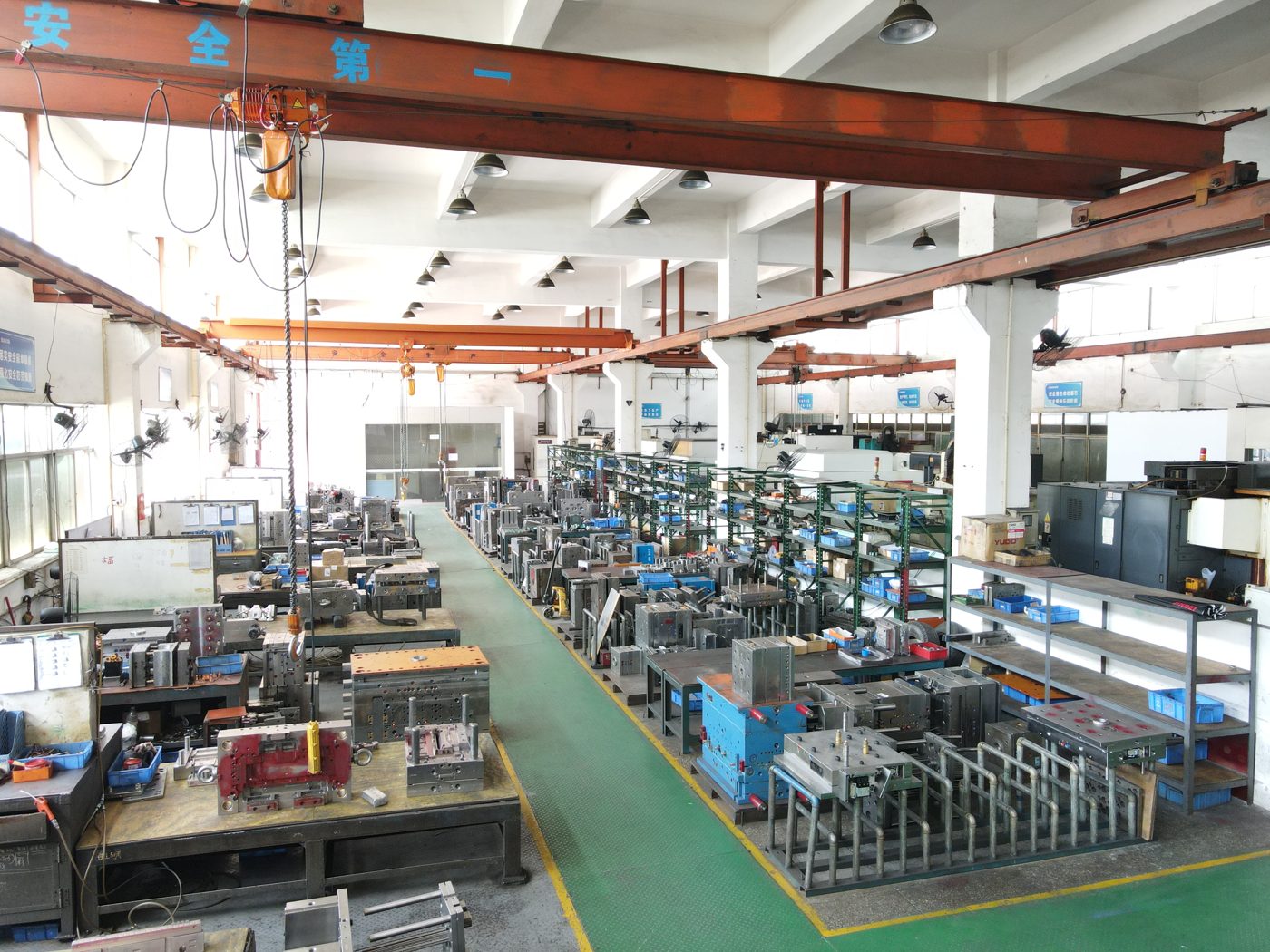
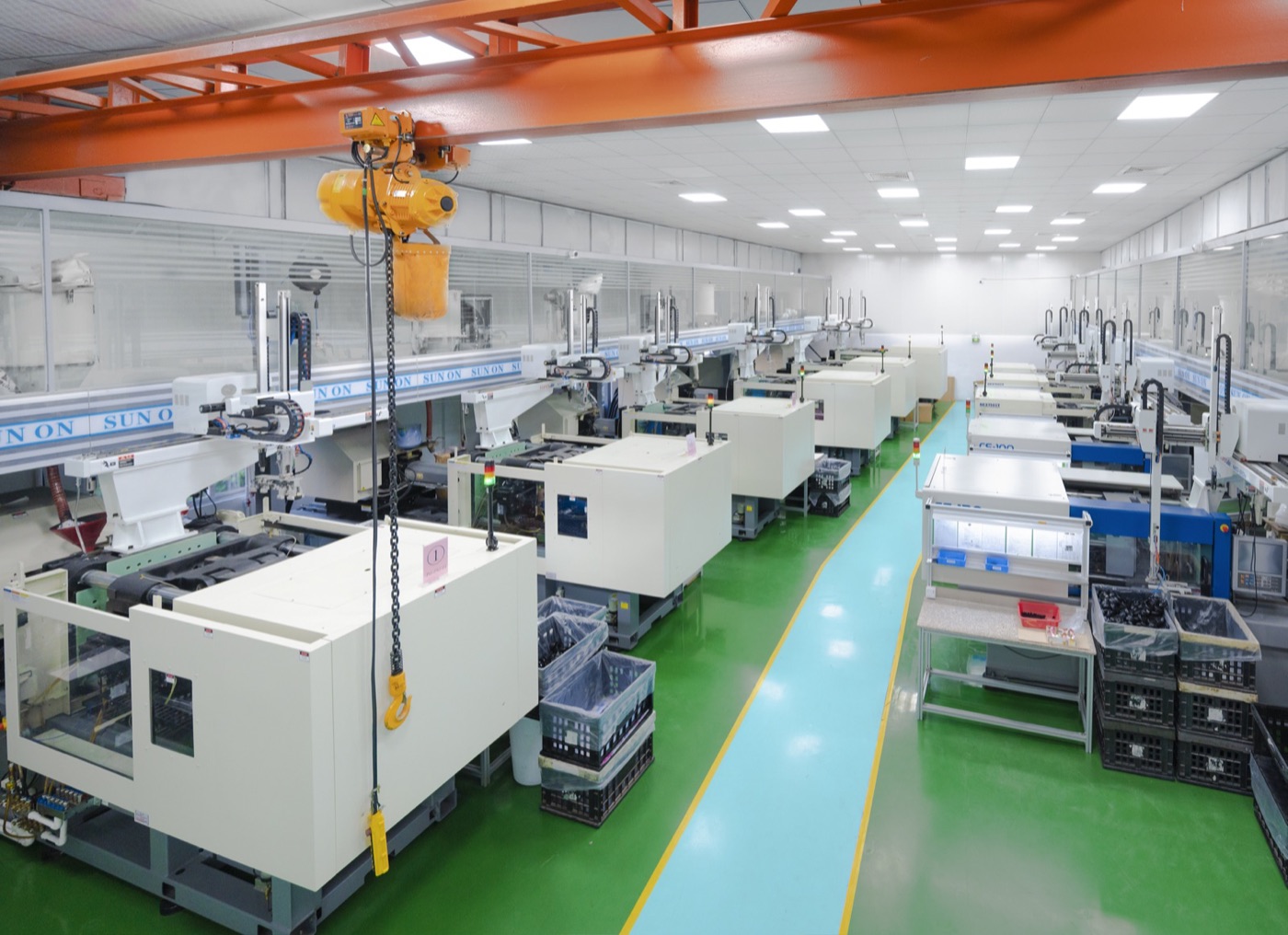
What that team did was not sourcing. It was running the brand's manufacturing at finished-product level: a full bill of materials, thirty to sixty suppliers, quality, cost, audits, tooling, and the awkward conversations that happen at 7am Chinese time because something has gone wrong before Europe wakes up.
Twelve years later the brand changed strategy and the representative office was closed. I was the one who wound it down — and then, with their chief engineer as my partner, set up the company that took the same work over. Same people, same standards. The brand kept the capability and stopped carrying the fixed overhead.
I did not read about that transition in a case study. I ran it, from the side being transitioned.
Today the same operation runs for an 80-year-old European small-appliance manufacturer and for a major European grocery chain. A brand and a retailer are not the same discipline — different audit regimes, different seasonality, different definitions of a defect. Running both is the evidence that this is a process rather than something shaped around one client.
How I got here
I was born in 1979 in a mountain village in Ruijin, Jiangxi. My father rode log rafts down the river until the trade disappeared, then laid bricks. I started cutting firewood at six. My mother borrowed my technical-college tuition from relatives half a yuan and a yuan at a time; the largest single contribution came from my grandmother, who could not read and kept her savings under her bed.
In 1996 I left for a factory job in Shenzhen with thirty yuan in my pocket, which was not enough to get there. A classmate lent me thirty more on the way, my new boss advanced the uniform fee, and the security captain in my dormitory gave me thirty yuan for a sleeping mat and a washbasin. Six hundred yuan a month, room and board, making heating cores for hair dryers — and testing them against UL, IEC and EN until they passed.
That was the first thing I learned that still holds: the work either meets the standard or it does not, and no amount of explanation moves that line.
What followed was thirty years of the same industry from most of its angles — technician, engineer, team lead, employee number one at a start-up factory, supplier auditor, product developer, country manager, partner. Around 366 projects and 50 million units, mostly for European and American brands of the kind where a quality failure is not a bad review but a recall across forty countries.
The lesson that repeated most often: most manufacturing problems are design problems in disguise, and the difference between a product that ships and one that dies is usually decided months before anyone cuts steel.
The whole of it, including the parts that did not work →