Split into two pools, because they behave differently. One happens every month whether or not you place a single order. The other only happens when there is a new product. Pricing them together is how brands end up paying project rates for maintenance work.
Not ready for a standing arrangement? Most of this can be bought one job at a time — a single inspection, one audit, one tool, rates published, no contract.
Pool 1 · Monthly retainer
This is the part a brand loses the moment it closes its China office — and the part nobody notices is missing until something goes wrong.
Every supplier in the BOM carries a score across delivery, quality, responsiveness and price behaviour. You receive the scorecard, the movement since last quarter, and a named recommendation where a supplier is trending the wrong way — before it becomes a shortage.
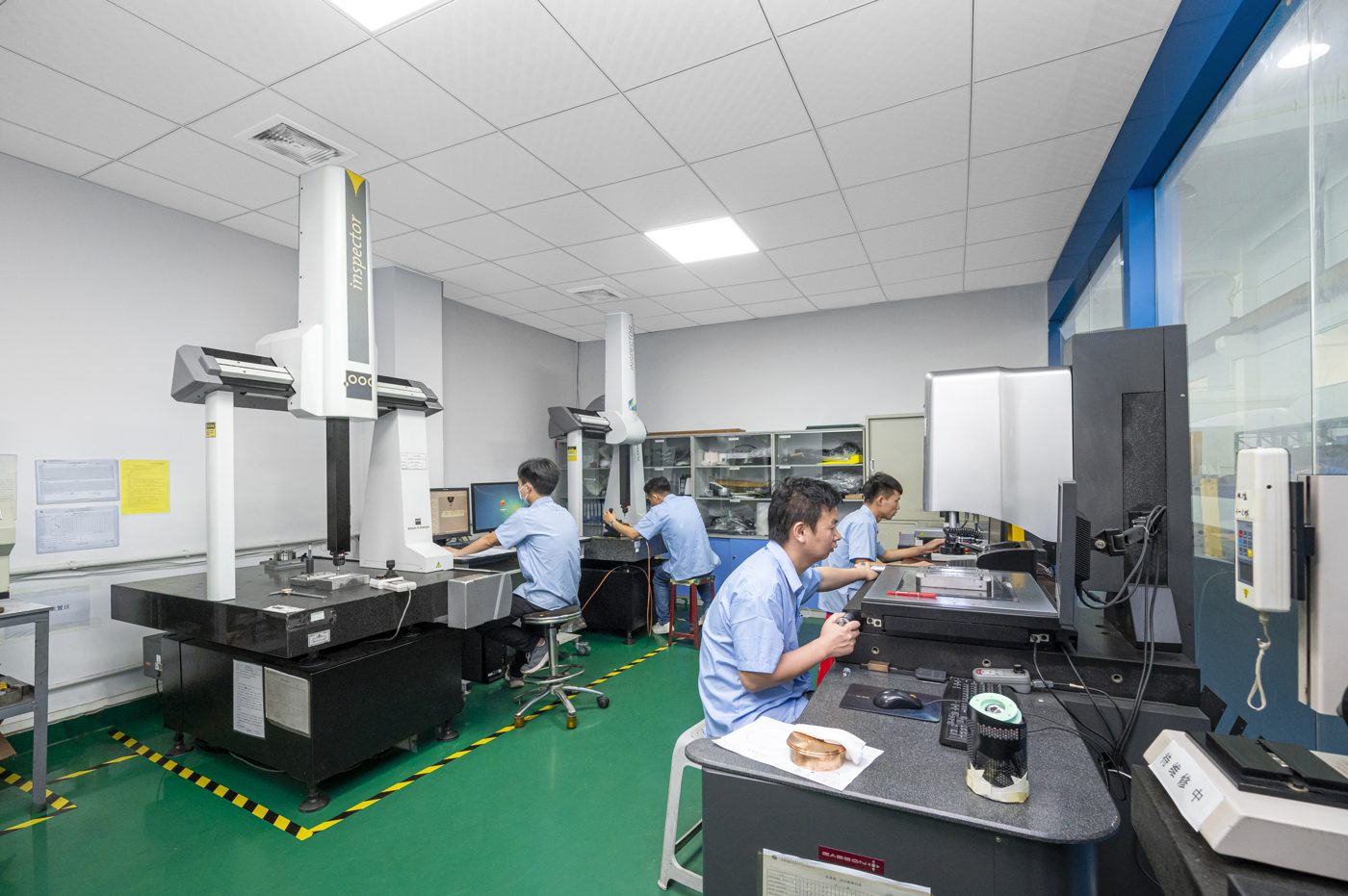
AQL sampling, re-measurement of critical dimensions, packaging and shipping-mark verification. You get a report with photographs and data, and an explicit call: release or hold. The hold decision is made in China, before the container closes.
The defect is traced back to batch, supplier, tool cavity and shift where the records allow it, with the containment action and the corrective action separated — so you know both what stops the bleeding this week and what stops it recurring.
Input costs are tracked independently of what suppliers tell you. When an increase notice arrives, you get the breakdown of how much of it is real material movement and how much is margin, plus the counter-position — negotiated on your behalf, in Chinese, by people the supplier will still have to face next quarter.
BSCI, SMETA, Sedex, your own customers' factory audits, and ESG supply chain data requests. Preparation with the supplier beforehand, attendance on the day, and the corrective action plan tracked to closure rather than filed.
Where each tool physically is, what condition it is in, how many shots it has run, who legally owns it, and whether it can actually be moved. Most brands discover the answer to the last two questions at the worst possible moment — during a supplier change.
One document: supplier scores, quality events and their status, cost movements, open audits, tooling changes, and what needs a decision from you. Written to be read by someone who is not in China.
Pool 2 · Project fee
Quoted per project, so you are not paying a standing fee for development capacity in the quarters you are not developing anything.
Candidate suppliers identified, visited and assessed against your actual requirement rather than a capability brochure — including the questions factories have learned to prepare for, and the documents they hope nobody asks for.
Review of the design against the process that will actually make it: wall sections, draft, gate and ejector positions, tolerance stack-up, and the cost consequences of each. DFM at concept costs an hour. DFM after tooling costs a re-cut.
The schedule, the sample rounds, the gate criteria and the escalation — run by someone in the same timezone as the factory. You get a status you can trust rather than a status the supplier would like you to have.
Steel specification, cavity count, T1 through to approval, and the ownership terms written into the order before money moves. The tool being yours on paper and the tool being movable in practice are two different things; both get handled.
CE, GS, ETL and energy-efficiency work coordinated with the lab and the supplier — including the design changes that come back from a failed test, which is where most schedules actually slip.
Any procurement director worth hiring will ask it, so it belongs on the website rather than in a defensive answer on a call: are you managing my supply chain, or steering orders to your own factories?
The team that would manage your supply chain shares no personnel with my factories — not partially, not at management level. ShenZhen YinFeng operates independently and carries its own profit and loss. Its clients choose their own suppliers. My factories can bid, or not bid at all, and it changes nothing about how this team selects on your behalf.
At finished-product level a bill of materials runs 30 to 60 suppliers. My factories could plausibly be two or three of them. The overwhelming majority of what I manage is something I do not make — so the incentive to quietly favour my own shops is small, and the relationship it would cost me is not.
You do not have to take any of the above on trust. Reasonable terms to insist on: my factories are excluded from bidding unless you invite them; or they may bid but never see competing quotes; or a stated cap on the share of BOM value they may hold. I have no objection to any of these, and I would rather you asked for one than wondered.
The conflict is real, and the same fact is also the strongest thing on offer. I have run mould shops, injection and die casting. When a supplier explains why a tolerance cannot be held, why a cycle time cannot come down, or why a price must rise, I know which of those explanations are true — because I have made the same arguments to customers myself.
Priced against what the alternative costs you, and sized by the one number that actually drives the work: how many suppliers sit in your bill of materials.
| Tier | Suppliers in the BOM | Monthly | Inspection days included | Replaces an office of |
|---|---|---|---|---|
| Essential | Under 15 | €3,000 – 4,000 | 2 / month | 2 people · ≈ €9,200/mo |
| Standard | 15 – 35 | €5,500 – 6,500 | 4 / month | 3 people · ≈ €13,800/mo |
| Full | 35 – 60+ | €8,500 – 10,000 | 8 / month | 4 people · ≈ €18,400/mo |
Additional inspection days €300 each. Project-fee work quoted per project. Office comparison is fully loaded — salary, mandatory social insurance, premises, travel and equipment — for Shenzhen at 2026 rates.
Typically 50 to 65 percent less than the office it replaces — and unlike the office, it is not a fixed cost.
If your shipping volume falls, the retainer steps down with it. An office does not do this. Volume halves, the office costs exactly the same — that is the whole problem with putting this capability on your own payroll in an uncertain market.
Ninety days' notice, either side, any time. Not twelve-month minimums. The reason I can offer that: what makes this sticky is the supplier relationships and the accumulated history, not a clause. If those stop being valuable to you, a contract should not be what keeps you.
Optional: a share of verified cost reductions in year one, capped. Note what this is not — a percentage of your spend. Percentage-of-spend is the industry standard and it pays the agent more when your costs rise. Mine pays me when they fall.
Bring your supplier count to the scoping call and you get a firm number on the call, not a proposal three weeks later.
The commercial terms below are the ones already used with existing clients. They are on this page because a procurement director is going to ask for them anyway, and because vague service levels are how a retainer quietly becomes an argument.
Three defects we found and fixed on parts already in production, with the measurements →

Inspection requests come in at least two weeks before the date you need. You get written confirmation of the date within 48 hours. Requests inside two weeks get best effort, but the date is not guaranteed — that honesty up front is what makes the confirmed dates mean something.
Typically within two days, subject to what is agreed in your contract and where the factory is. A supplier in the Pearl River Delta and a supplier eight hours inland are not the same promise, and any provider who quotes you one number for both is quoting you a number they will miss.
A covered radius is set in the contract around the operating bases. Inside it, travel is included. Outside it, travel and accommodation are invoiced at cost plus a stated handling margin — visible, agreed in advance, and never a surprise line on a monthly invoice.
Any charge beyond the agreed prices — third-party lab testing being the common one — requires your written approval before it is incurred. Invoicing is monthly, itemised down to each inspection performed, on 30-day terms in EUR or USD.
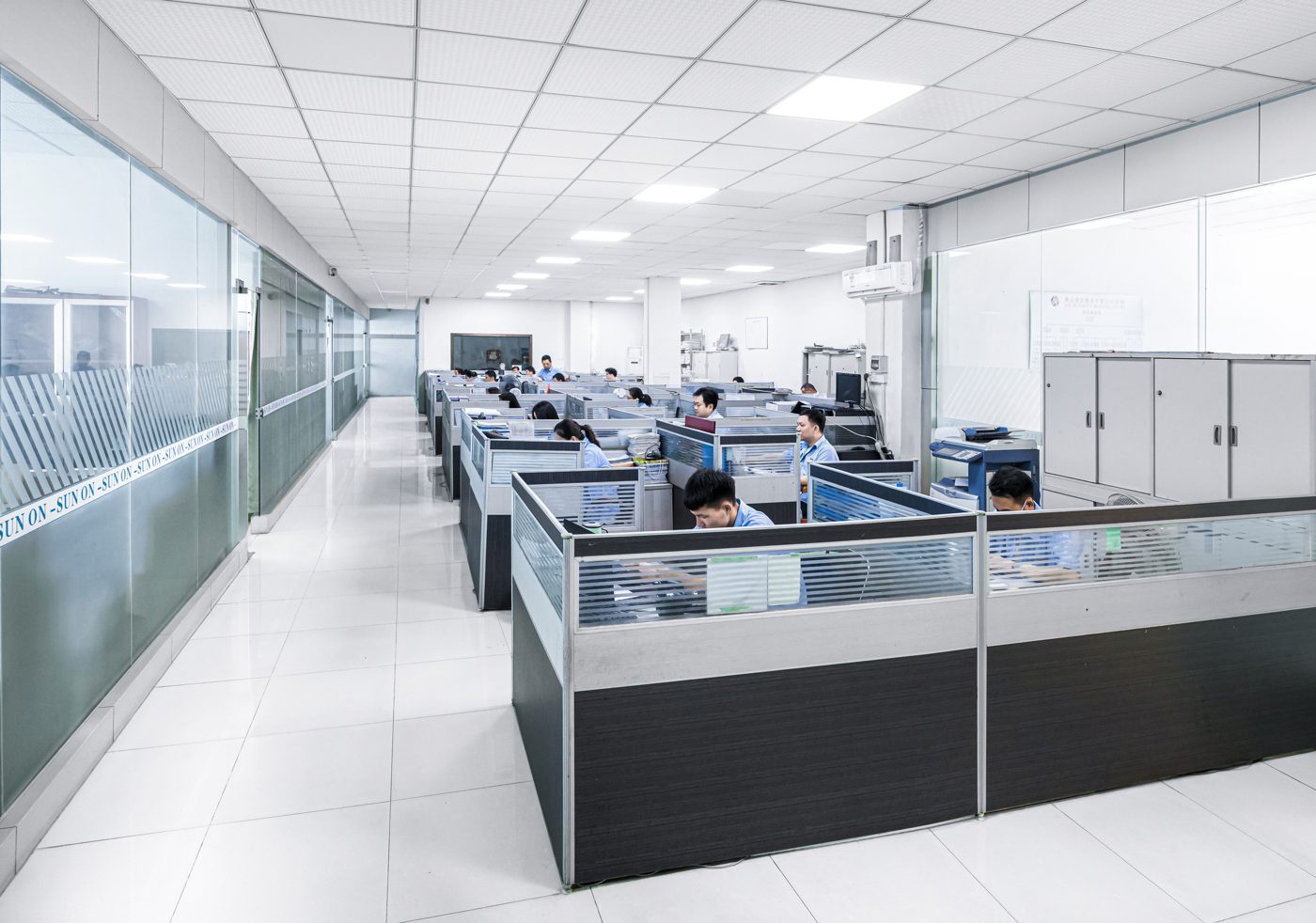
Production is running, but it is managed by email from Europe or the US and by trusting the supplier's own reports. Nobody has walked the line unannounced in years. The department gets built for you rather than by you.
It exists, it works, and every budget season somebody asks what it costs. Closing it means losing the capability. Keeping it means carrying the overhead. There is a third option — the same conversion I ran from the inside in the operation I built in 2005, which is now an independent provider rather than a line on a brand's cost base.
The four-phase carve-out →Different problem, different conversation — and a retainer would be the wrong instrument for it. The startup-stage work sits separately:
Manufacturing (moulds, injection, die casting) · Mentorship · Investment · Insights & free resources