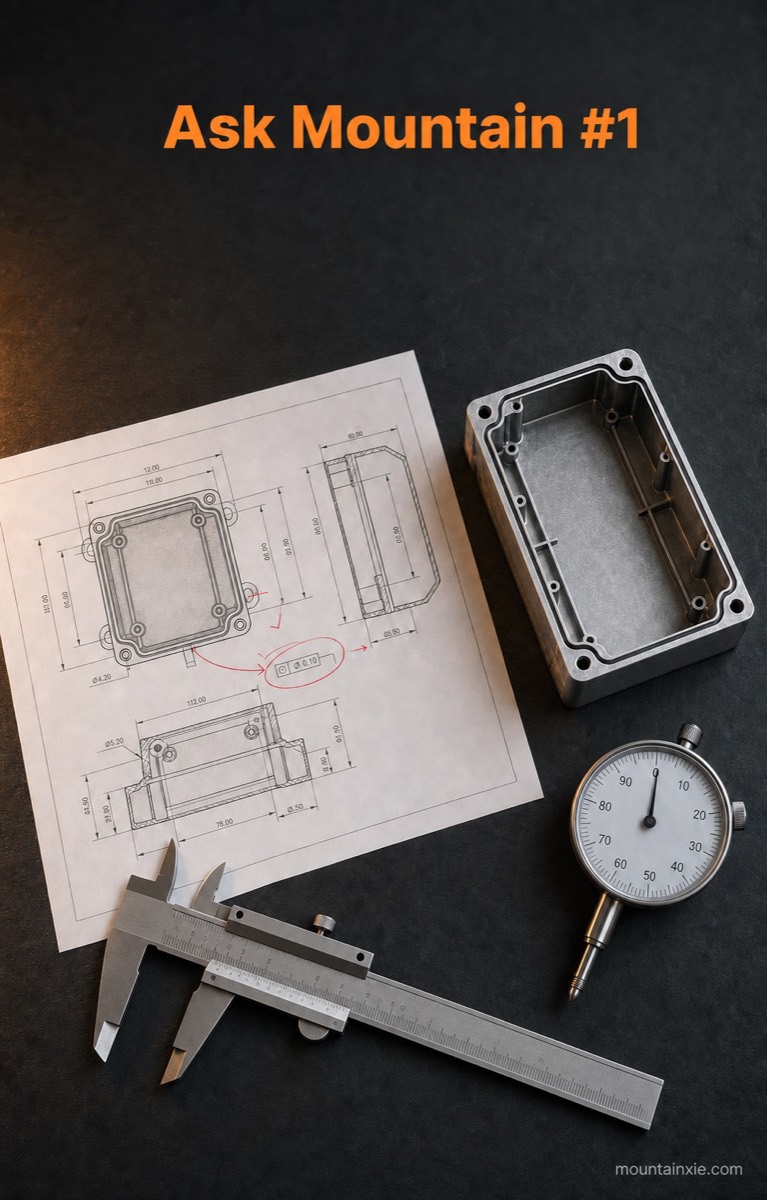
This is a new monthly column. The questions come from real discussions with engineers and founders on my LinkedIn posts — this month, from a thread about a $42,000 rejected production run that both sides were "right" about. Ask your question on any of my posts, and it may become next month's column.
Q1: "What happened to the small test run? Why do founders skip pilot runs?"
Because the spreadsheet tells them to.
Here's the math the founder in that story ran: the factory's price break at 5,000 units saved him roughly $0.60 per part versus two smaller runs. That's $3,000 of visible, immediate savings. The pilot run, by contrast, protects against a risk that is invisible until it happens.
As Dror Ofir put it in the thread — and I can't say it better: the pilot run isn't skipped because nobody believes in it. It's skipped because the volume discount looks more expensive to ignore than the production risk.
The correct sequence hasn't changed in 30 years: first prototype → a validation batch of about 10 → a pre-mass-production run of about 100 → mass production. Every stage exists to catch what the previous stage missed. The 10-unit batch catches design intent problems. The 100-unit run catches process problems — porosity, tolerance drift, the sealing face that measures fine but leaks under pressure.
The founder in the story paid for the missing stages at full production price: a rejected run, a two-month delay, and $42,000 of parts he couldn't ship. A 100-unit pilot would have surfaced the flatness problem at unit 20, for the cost of a few hundred dollars of parts.
The pilot run is not a cost. It's the cheapest insurance policy in hardware, and the premium is one price break.
Q2: "Shouldn't the factory have asked if that was a sealing face? How do I find a factory that asks questions?"
Stephen described how he worked when he received a complex spec: ask about the application and the environment, then suggest something less complex and less expensive based on his shop's capabilities. That engineer-to-engineer conversation is exactly what's missing in most hardware startup projects.
Here's the uncomfortable economics: asking questions takes engineering time, and quoting is a volume business. A factory quoting twenty RFQs a week doesn't have an engineer interrogate each one. So most factories default to the cheapest legal interpretation of your drawing — not out of malice, but out of incentive.
You can't change their incentives. You can change what you send them:
- Send assembly context with the RFQ. One exploded view or a photo of the mating parts. A factory that can see the gasket will usually flag the sealing face.
- Mark critical features. Literally a red box on the drawing: "CRITICAL — seals against EPDM gasket, flatness matters." This costs you five minutes.
- Test them during selection. My favorite factory-vetting question isn't about price — it's sending a drawing with one deliberate ambiguity and seeing who asks. The factory that asks "what does this part do?" before quoting is worth a 10–15% price premium. That premium is cheaper than one rejected run.
Q3: "Which 'silent tolerances' get missed most often on die castings?"
"Silent tolerance" is the right term: dimensions that nobody argues about at the drawing stage because everyone's eyes go to the fit dimensions. From 30 years of die-cast drawings, the five that cost founders the most money:
- Sealing-face flatness — the star of this month's story. General tolerance on a die casting is around ±0.3mm; a gasket often needs better than 0.1mm. If it's not called out, you didn't buy it.
- Machining allowance on post-machined faces — if the casting doesn't leave enough material for the CNC pass, you get faces that clean up partially and scrap rates nobody can explain.
- Datum references — a drawing without clear datums lets the factory measure from whatever surface is convenient. Two "in-spec" parts can be different parts.
- Thread engagement in cast bosses — cast threads and tapped-after threads behave differently under load; the drawing needs to say which and how deep.
- Flash and gate location — nobody specifies where the gate scar is allowed to be, until it lands on the cosmetic face or the sealing surface.
None of these show up in a price comparison between two quotes. All of them show up in the field.
Q4: "Dual sourcing is always best — but is it realistic for an early-stage startup?"
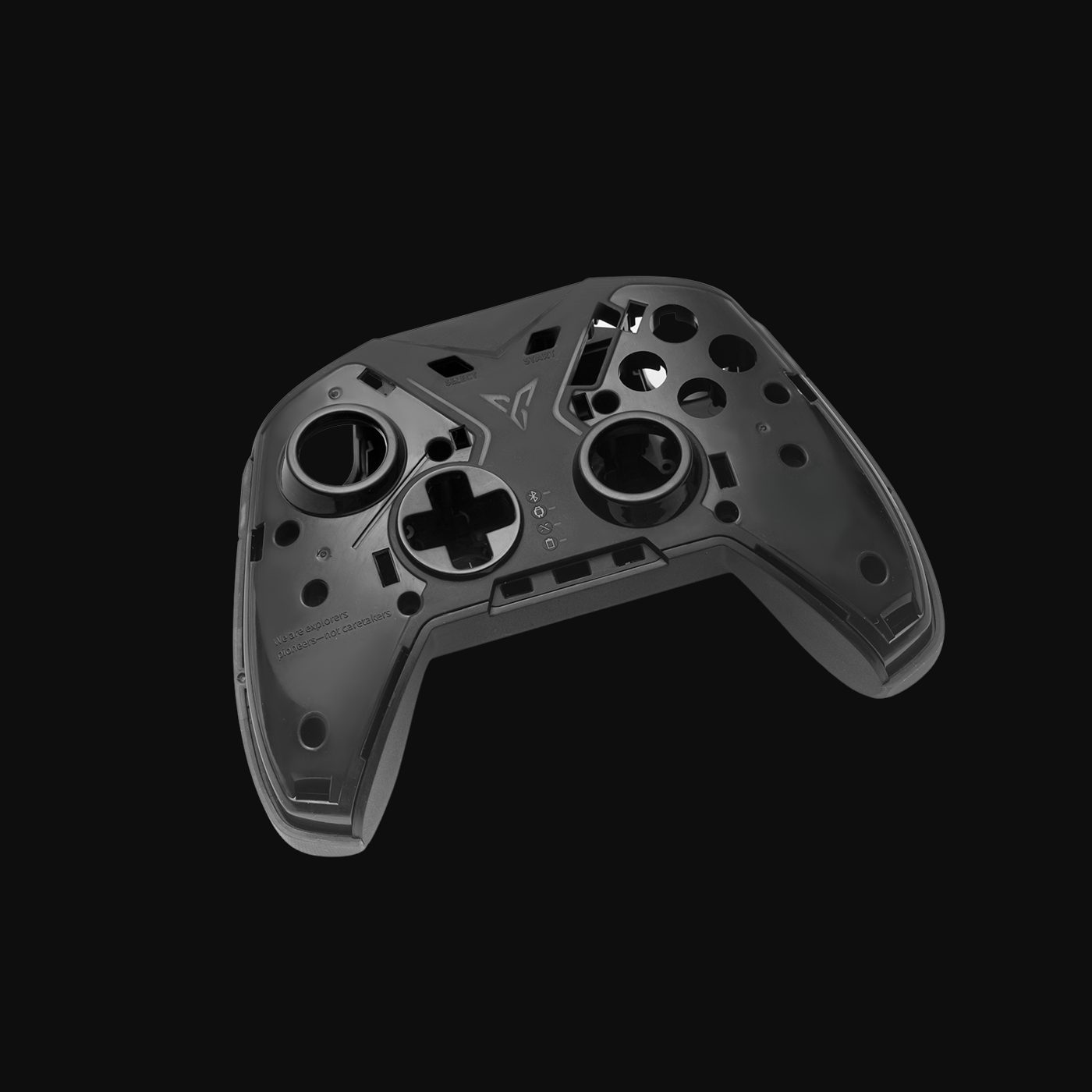
Kevin is right at scale: dual sourcing gives you negotiating leverage and a lifeboat. And it's the hardest sell to an early-stage founder who's already stretched on tooling budget — a second mold can mean another $30,000 nobody has.
The practical middle ground I use: qualify a second supplier during DVT without running production there. That means sharing the design package under NDA, getting a real quote, running samples if the part is critical — but not cutting a second tool.
What that buys you: when your primary supplier has a problem — and over a 5-year product life, they will — you're not starting from zero. Qualification takes weeks; panic-sourcing takes months. The founder in my supplier-switch story lost $134,000 not because he switched, but because he switched into an unqualified factory under time pressure.
The qualification is the insurance policy. The second tool can wait until your volume justifies it.
Have a manufacturing question? Comment on any of my LinkedIn posts — real questions become next month's column. Real factory cost data from this quarter: SunOn Manufacturing Cost Index Q3 2026.