For the budget conversation you are about to have

Your China office costs more than it returns.
There is a third option between keeping it and closing it.

Every budget season somebody asks what the Shenzhen office costs. The answer is uncomfortable, and the two obvious responses are both bad: keep carrying it, or close it and lose fifteen years of supplier relationships along with the people who hold them.

The real obstacle is not the decision. It is the exit cost.

Most brands running an underused China office already know the arithmetic. They keep it anyway, year after year, and it is not because they cannot do the maths.

Severance and wind-down

Statutory compensation, the remaining lease, the equipment. A real number, payable in the year you close — which is precisely the year you were trying to reduce costs.

The relationships leave with the people

The manager who knows which supplier will actually pick up the phone on a Sunday does not hand that over in a spreadsheet. Close the office and it is gone.

The knowledge was never written down

Why that mould sits at supplier C rather than supplier A. Which factory quietly subcontracts. What was agreed verbally in 2019 and never made it into a contract. This is the expensive part, and it is invisible until it is missing.

So the office stays. It is not irrationality — it is the absence of an exit that preserves what the office actually holds.

Four phases

Designed so that at no point are you without coverage, and so that the knowledge transfers before the people do.

PhaseDurationWhat happensWhat you pay
0 · Audit4–6 weeks The true fully loaded cost of the office. The supplier register. Where every tool physically is and who owns it on paper. Which knowledge exists only in one head. You get this document whether or not you go further. Fixed fee, credited against the retainer if you proceed
1 · Parallel3 months We operate alongside your office. Suppliers and processes transfer while your team is still there. Nothing is switched off, so there is no window of exposure. 50% of the retainer
2 · Absorb1 month Key people move across to us, or leave. Either way the supplier relationships and the history stay with the operation rather than walking out with an individual. One-time transition fee
3 · Steady stateOngoing The department runs. Supplier scoring, quality and batch release, cost and price-increase control, audit response, tooling assets, monthly report. Full retainer — see pricing

The comparison that actually decides it

Not "what does this service cost" — you already have that number. The one that decides it is what does closing the office cost, and what does converting it cost instead.

I am not going to put a transition fee on a web page, because anyone who quotes you one before seeing your situation is guessing. A carve-out touches statutory severance, an unexpired lease, equipment, entity wind-down, and the part with no invoice attached — supplier relationships and fifteen years of undocumented history walking out of the door with the people who hold them.

That comparison is the entire output of phase 0. Four to six weeks, a fixed fee, and at the end you hold both numbers side by side: the fully loaded cost of closing, and the cost of converting. You can then make the decision on arithmetic instead of instinct — including the decision to do neither, with a document that was worth having regardless.

What I will commit to in writing before phase 0 starts: the transition is structured against your wind-down exposure, not against a rate card. That is the difference between this and outsourcing. Outsourcing is a cost decision. This is an asset decision — the capability stops being a line of overhead on your P&L and becomes something you buy only as much of as you need.

Why me for this specifically

Plenty of firms will manage your suppliers. I am aware of no one else who has run this exact conversion from the inside.

Open-plan office in Shenzhen
The 2005 office, twenty years on — same function, different owner
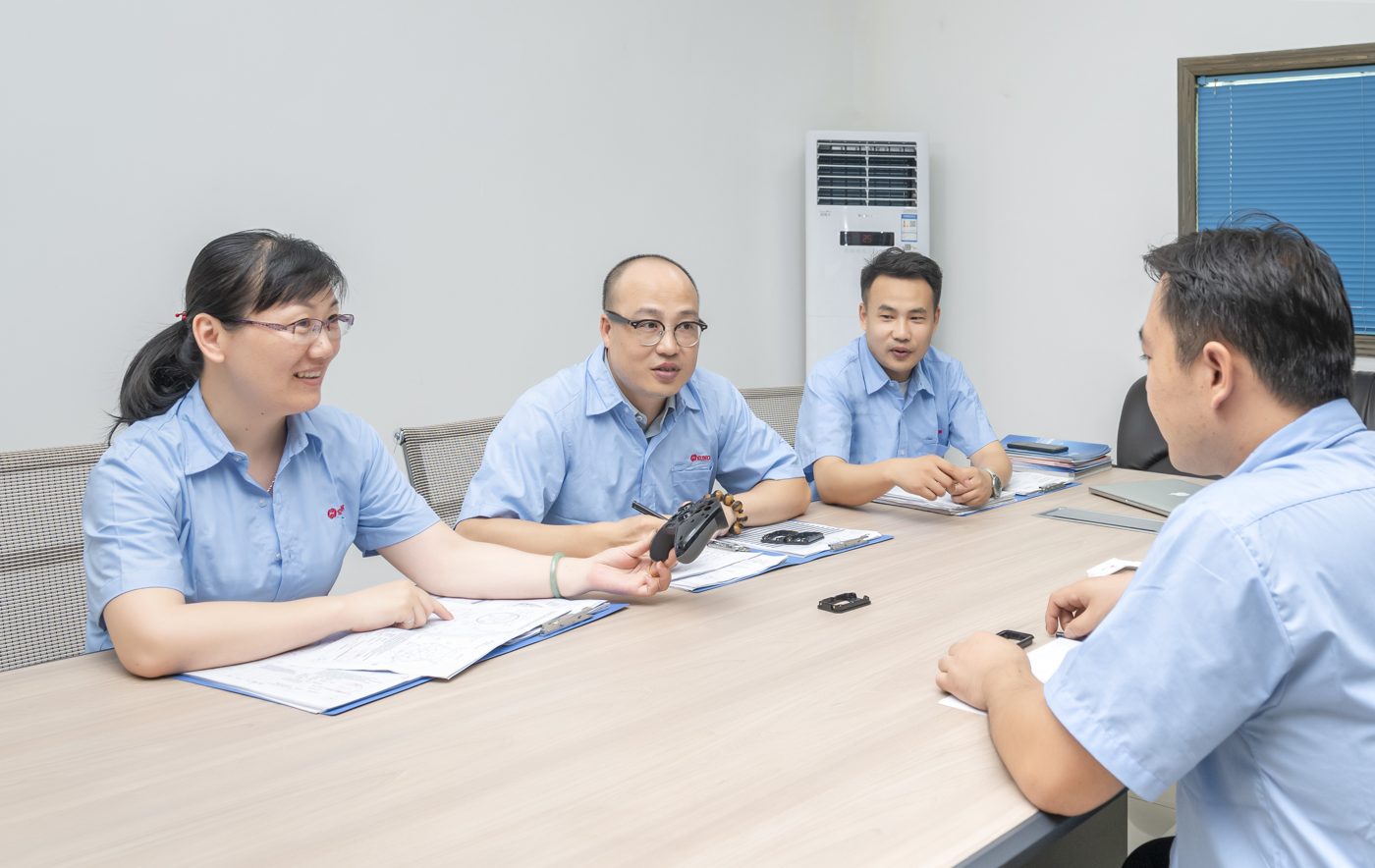
Team in a review meeting
The people who hold the supplier relationships you would otherwise lose
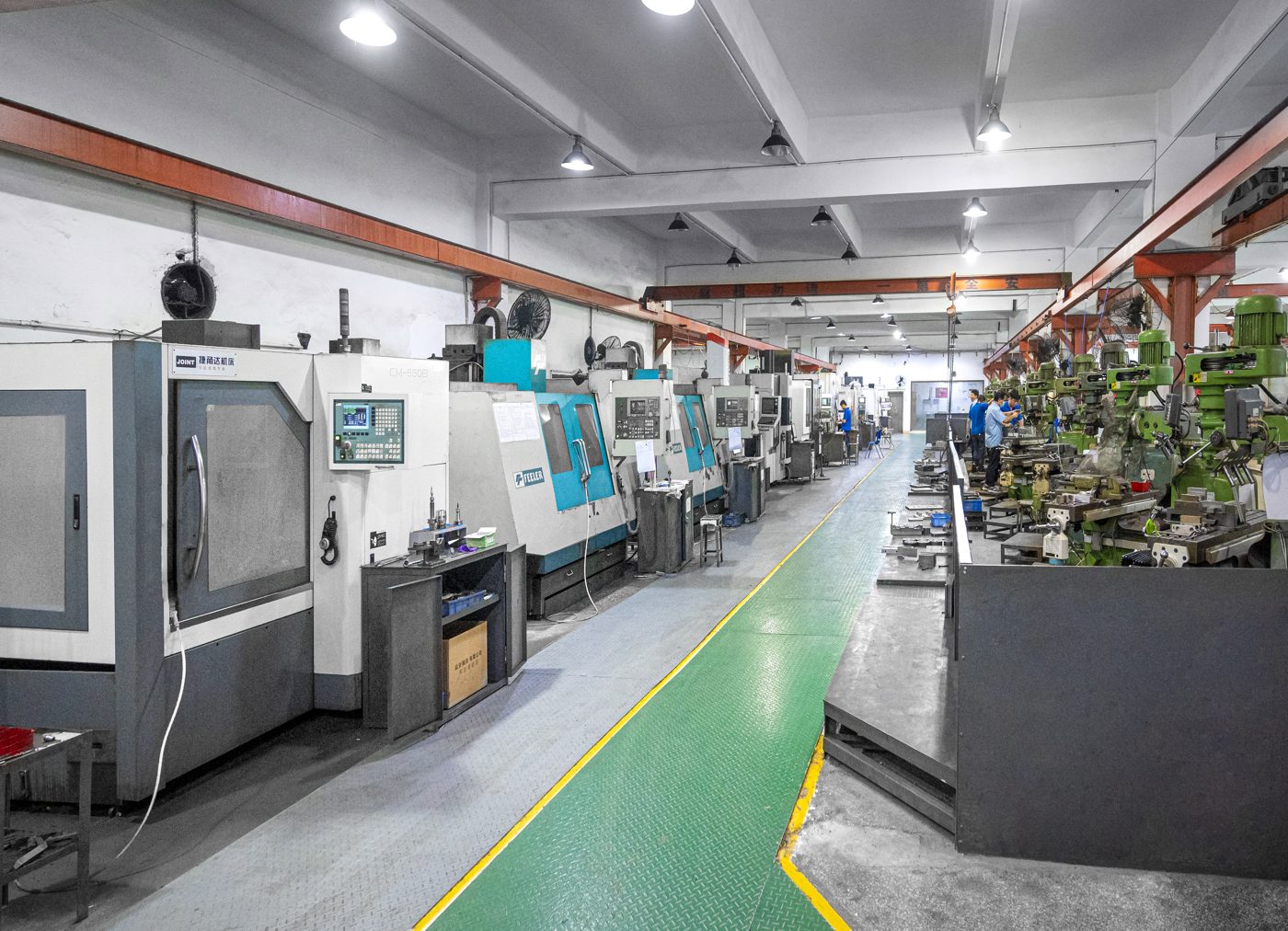
Machining hall
And the production knowledge that makes the audits real

I have been the office being carved out

In 2005 a European appliance brand needed people on the ground in China. I was the first person they hired — I found the office, fitted it out, wrote the processes and hired the team. Years later that operation stopped being the brand's cost centre and became an independent service provider. Same team, same standards, no fixed overhead on the brand.

I did not read about this transition. I am the person who went through it, from the side being transitioned.

Two industries at once, today

The department currently runs for an 80-year-old European small-appliance manufacturer and for a major European grocery chain. A brand and a retailer are genuinely different disciplines — different audit regimes, different seasonality, different definitions of a defect. Running both is the evidence that the process is a process, not something bolted onto one client.

And through SunOn Manufacturer Group I hold mould, injection and die casting capacity — which is why a supplier's explanation of why a tolerance cannot be held gets assessed rather than accepted. How I handle the obvious conflict →

What it replaces, in numbers

Fully loaded Shenzhen costs at 2026 rates — salary, mandatory social insurance, premises, travel and equipment.

Your officeFully loadedThis serviceDifference
2 people≈ €9,200 / month€3,000 – 4,000~60% less
3 people≈ €13,800 / month€5,500 – 6,500~55% less
4 people≈ €18,400 / month€8,500 – 10,000~50% less

And unlike the office, it steps down when your volume does. A fixed cost that does not shrink in a soft market is the actual problem with keeping this capability on your own payroll.

Start with the audit

Thirty minutes first, to see whether this is even the right shape for your situation. If it is, phase 0 gives you a document you would benefit from having regardless — the real cost of the office, the supplier register, and where your tooling actually sits.

Book a 30-minute scoping call