Fortunate to live in this era
My name is Mountain Xie, and I also use the Chinese nickname "Mantou Xie" — Steamed-Bun Crab — a play on my Chinese name that is unusual but easy to remember. Friends once nicknamed me "the conversation killer." I speak directly and tend to seize on the heart of a problem; often the conclusion is out of my mouth before I have considered how the other person might feel. One sentence, and the conversation is over.
Thirty years later, I have not entirely lost that habit. Unexpectedly, it became part of how I make my living.
In manufacturing, polished words do not solve problems. Clients need someone who can see the real issue and explain it clearly.
I have always felt fortunate to live in this era. I grew up alongside China's reform and opening-up and the expansion of its manufacturing industry. Along the way, people around the world offered me their trust and help. This is a thank-you letter to them, and an invitation to makers everywhere.
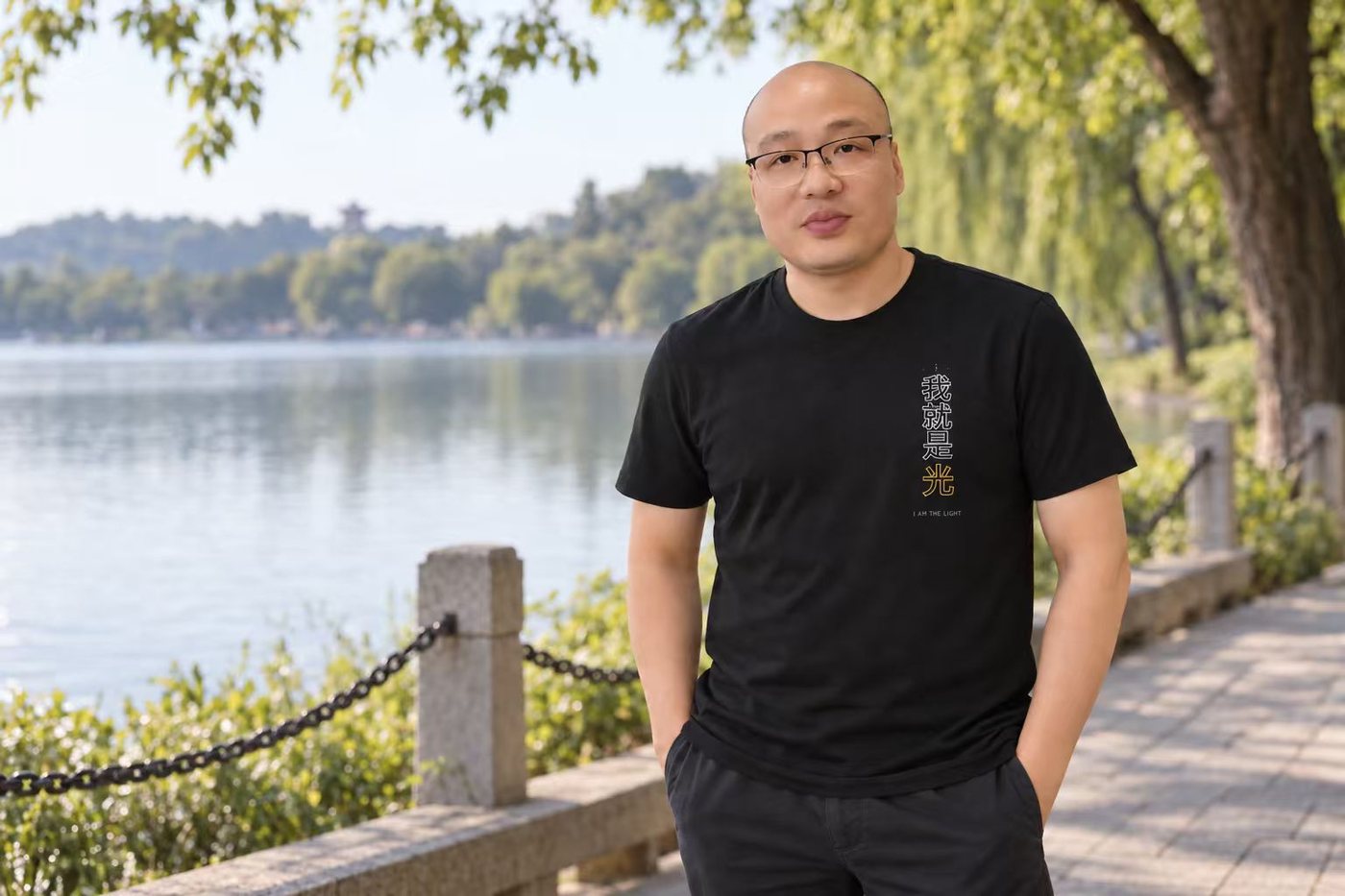
1979–1987 · The mountain village
RUIJIN, JIANGXIRuijin, a hilly city in southern Jiangxi, is known as the "Old Red Capital," the cradle of the republic. I was born here into a poor farming family. Our village sits among mountains and rivers, and my father made his living riding log rafts — lashing felled timber into rafts and steering them downriver standing on top. It was dangerous, exhausting, highly skilled work that, as I remember it, was mainly done by people from our village in the surrounding area, and it paid better than anything else around. Legend has it this is what attracted my mother. When the mountains were closed to logging to allow the forests to recover, the trade vanished, and my father became a bricklayer.
I have a sister four years younger than I am. My parents left early and returned late. Sometimes they carried me to work, where the shoulder pole would knock bumps into my head; sometimes they left me at home to crawl across floors and beside drainage ditches, too young to know what filthy things should never go into my mouth. Because I was the boy and the eldest child, I began cutting firewood in the hills at six. Farm work and housework were simply part of life. Whenever it was our family's turn to tend the village group's cattle, I became the permanent little cowherd.
Poverty did not give childhood many choices. It taught me early that life does not lighten its load simply because you are young.

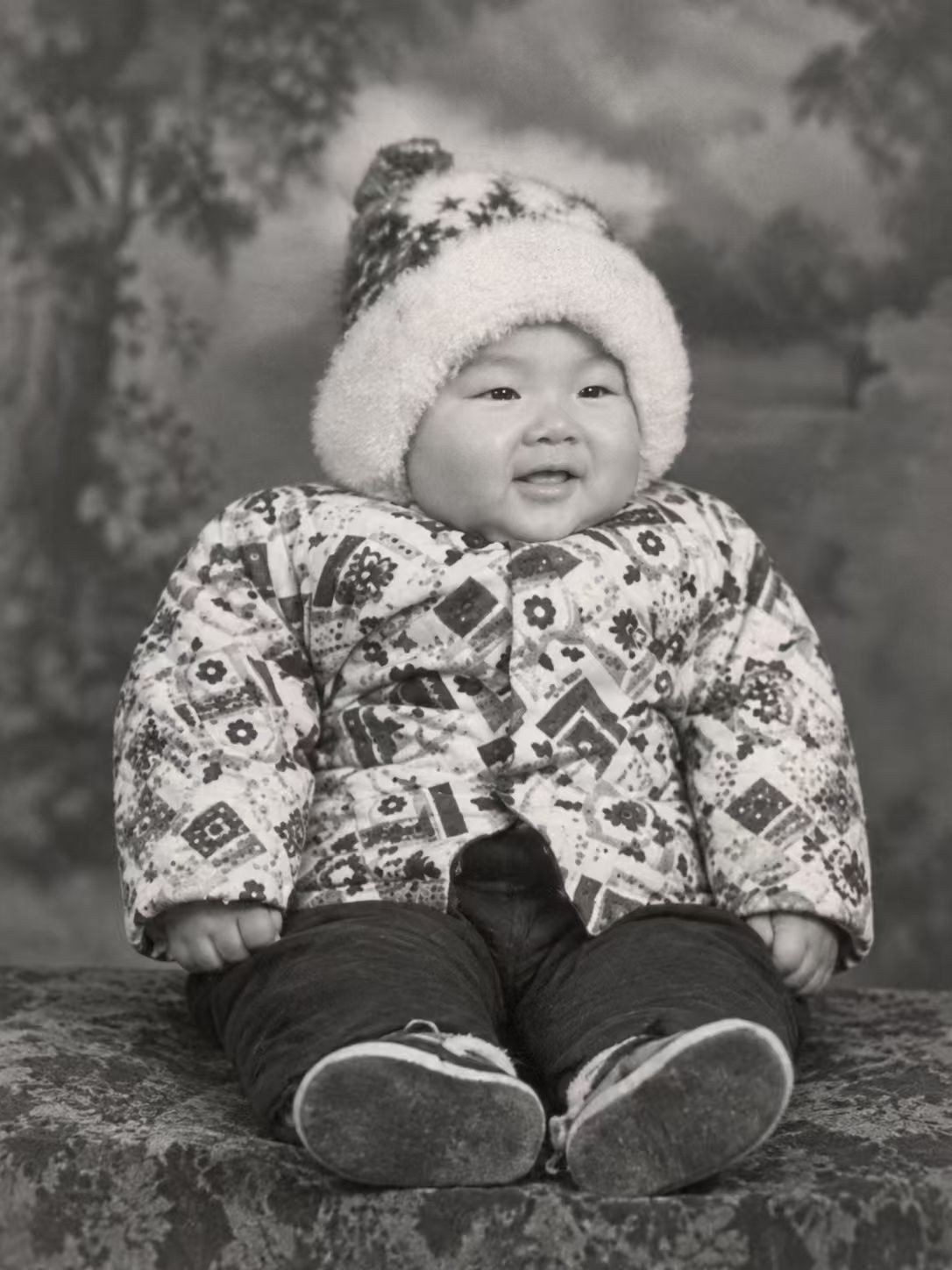
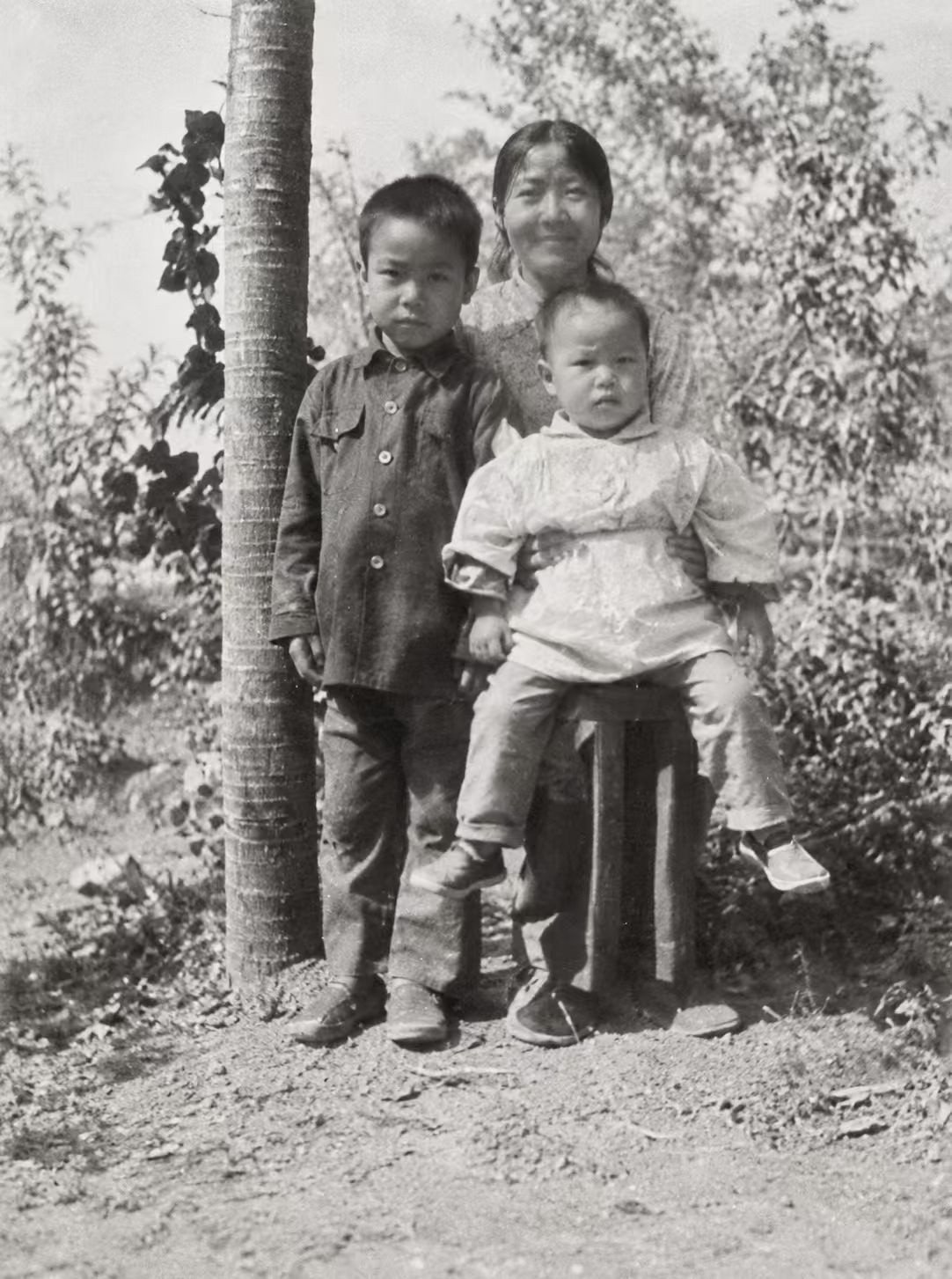
Village childhood: in the fields; my hundred-day portrait; with my mother and sister.
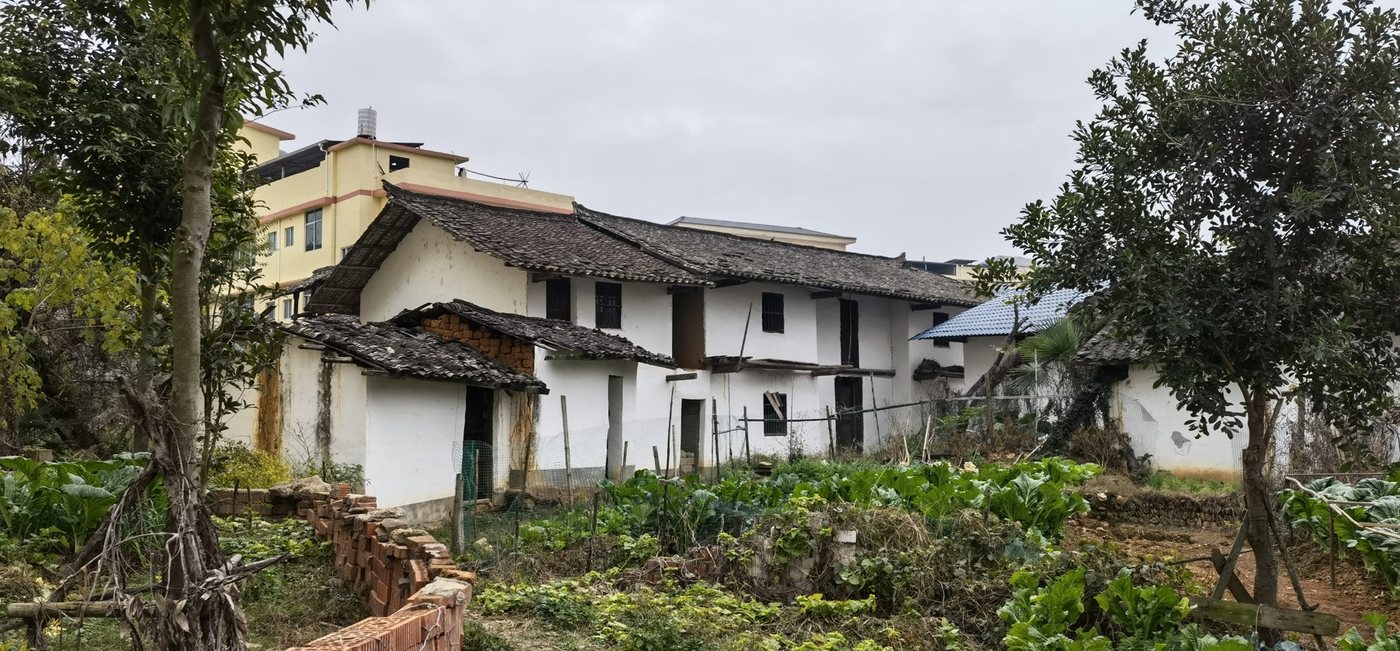
Everything that childhood taught me found its use on the factory floor: endurance, hands-on skill, and a primal instinct for "cost."
1987–1995 · The exam-paper engraver
My grades were decent, I often served as a class officer, and I held one unusual job: "exam-paper engraver." We had no photocopier. Teachers handed us the questions, and we copied them stroke by stroke onto wax stencils with a stylus, then used ink and a roller to turn one master into dozens of papers for the class. Only years later, after entering manufacturing, did I realize that this was my first experience of making a master and running a small batch.
One memory stays with me: our young English teacher cried in class because our grades had slipped. That guilt is still with me, and it's one reason I forced myself to learn English as an adult.
Luckily I lived close to school and escaped the dormitory life of pickled radish and smelly feet — and because of that, classmates who didn't mind our poverty still came over to play. Poor, but not lonely: my earliest lesson in what relationships are worth.
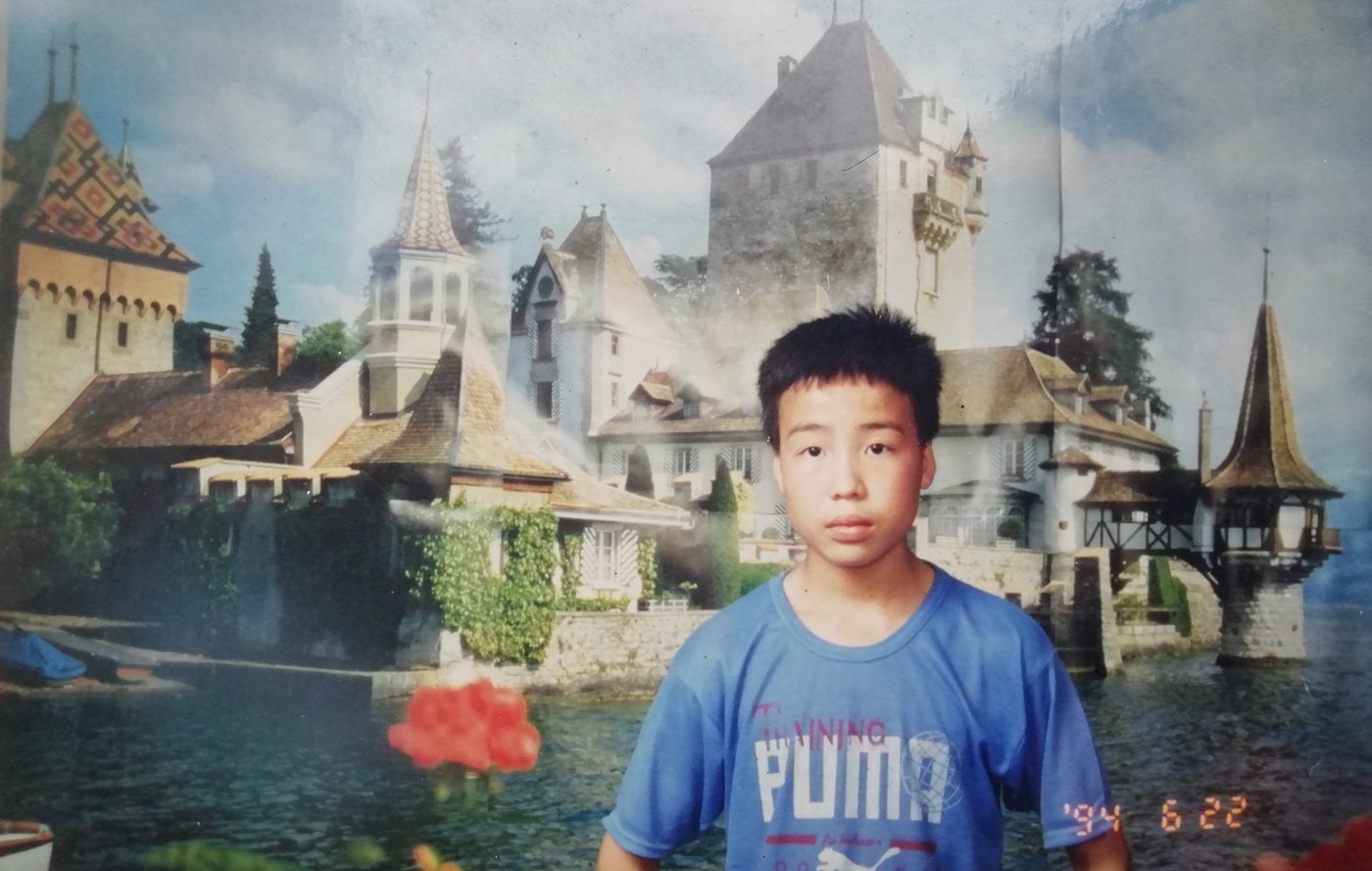
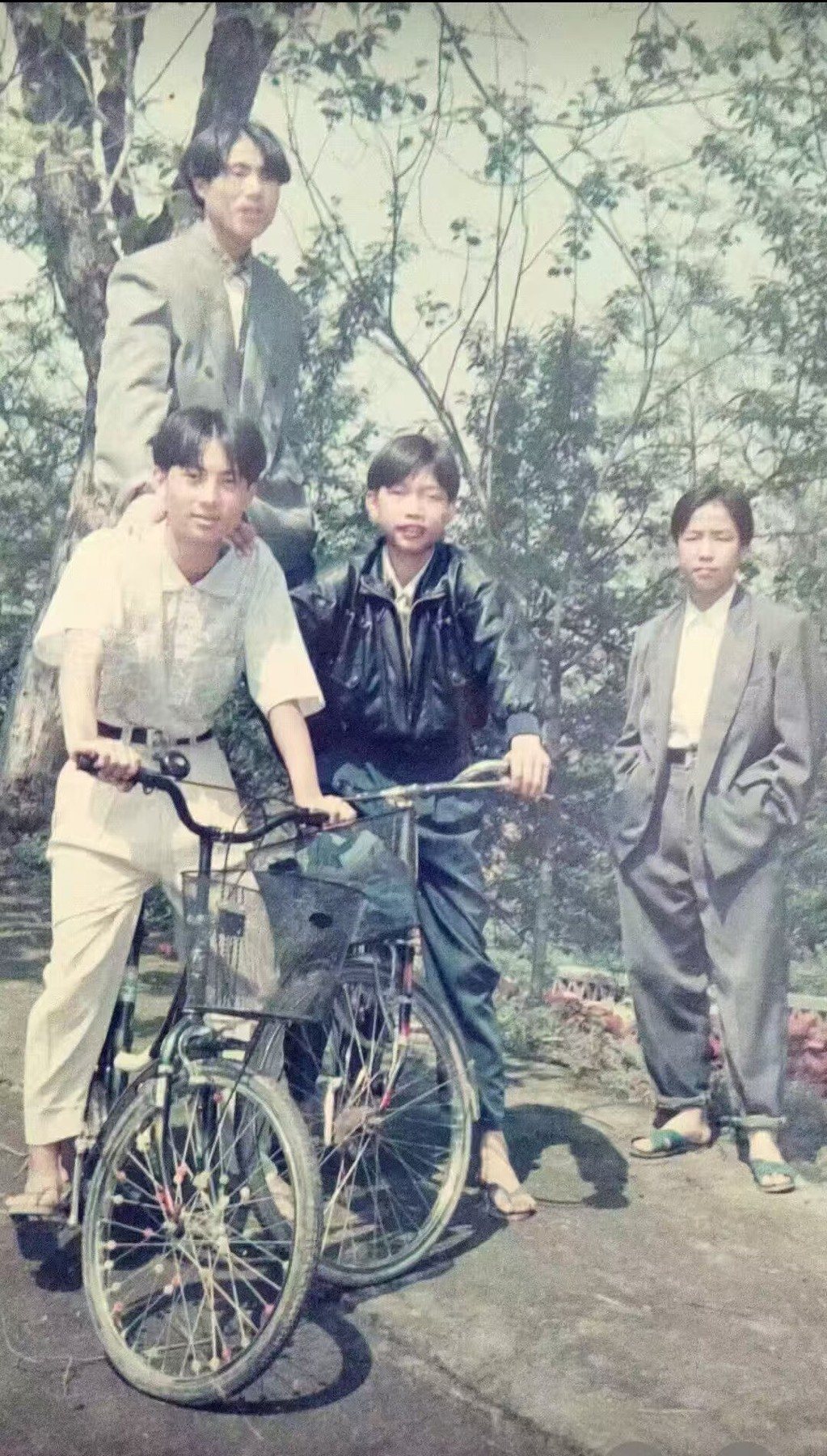
1995–1996 · A ticket pieced together in coins
In 1995, through my uncle, I came to Guangzhou Huanan Technical College to study mechatronics. Tuition exceeded ten thousand yuan — an almost unimaginable sum for a farming family at the time. Even today, I do not know what courage it took my parents to make that decision. I only know that my mother went from door to door among relatives and friends, enduring cold looks and refusals, until loans of half a yuan and one yuan at a time became my tuition. It was more than money. It was my entire family placing a bet on my future.
The biggest contributors were my aunt Huolan — my mother's younger sister, then in business — and my grandmother, who bore thirteen children, lost four of them, and earned small change telling fortunes; she gave me everything she had saved under her bed for years. Young as I was, it struck me deeply.
My first angel round came from relatives who could not read.
The program crammed mechanical manufacturing, circuit theory and computing into less than a year, plus full hands-on bench-fitting and electrical workshop practice. With my weak foundation, you can imagine how lost I was. Fortunately, many classmates were from home — six of the eight people in our dorm room were Ruijin locals, and Zhang had been my middle-school classmate. In an era of gangs and drifters, for a kid far from home, that safety net meant everything.
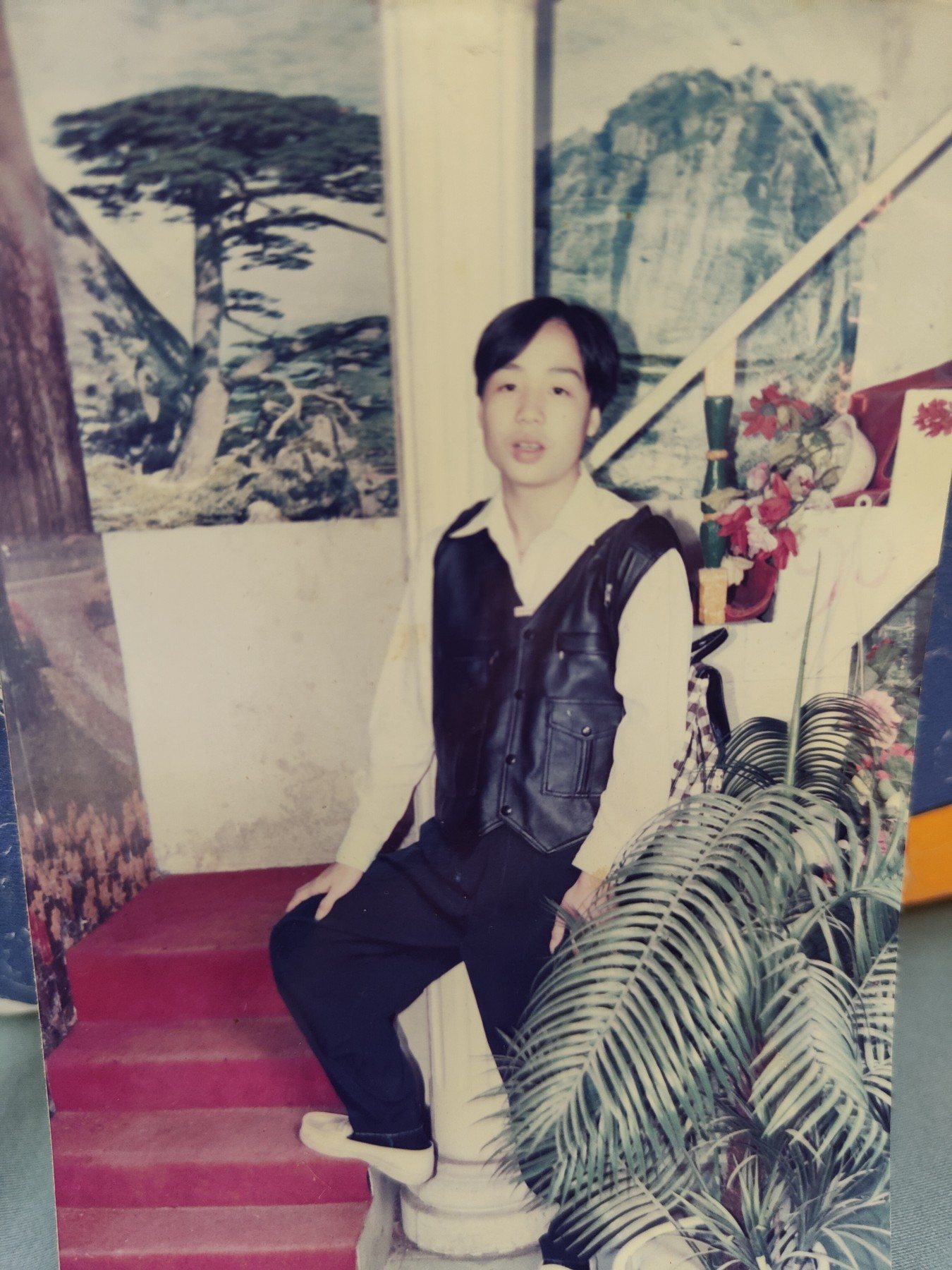
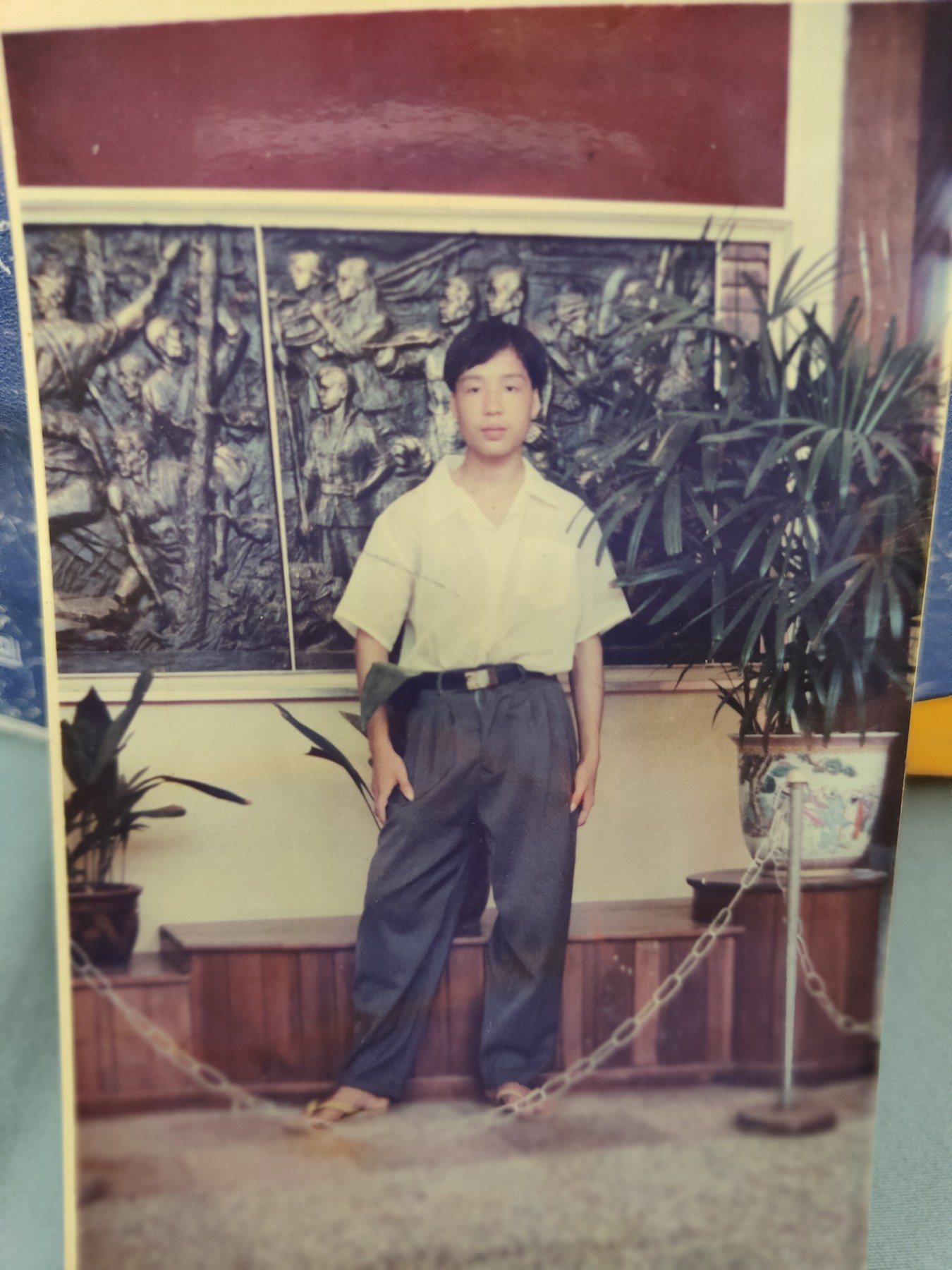
Guangzhou Huanan Technical College, 1995–1996.
1996–1999 · First lessons in Shenzhen
DICKSON · HEATING CORES · 600 YUAN A MONTHNear graduation in 1996 I spent nearly every weekend at Guangzhou's Nanfang job market, where I met my first boss, Mr. Hong — I still call him "Master" today. I joined Dickson, a Hong Kong-owned factory in Shenzhen, as a technician: six hundred yuan a month, room and board included, developing heating-core assemblies for new hair dryers.
The trip to report for work felt like my first examination in the adult world. I owned thirty yuan — not enough for the many-stage journey from Guangzhou to Fuyong. I first reached Huangjiang in Dongguan, borrowed another thirty yuan from my classmate Chen, and continued. At the factory, Mr. Hong advanced the sixty-yuan uniform fee. In the dormitory, I could not afford a sleeping mat, bucket, or washbasin, so the security captain in my room pressed another thirty yuan into my hand.
Today, travel between Guangzhou and Shenzhen is fast and comfortable. Back then, I had to watch for station swindlers and the illegal minibuses known as "piglet sellers." There were no mobile phones and no way to call ahead; instinct was all I had. Along the road I met danger, but I also caught the kindness of strangers. I reached my destination alive, carrying debts of gratitude I would remember for the rest of my life.
The work was real: print 2D drawings, paste them onto mica sheets, saw the shapes with a fretsaw; design circuits for each country's voltage and wattage; calculate the resistance wire's gauge and the coil's diameter and length; build the samples myself and test them against UL, IEC and EN safety standards until they passed.
That was my first realization: the hands of a Chinese village kid could meet world standards.
Nights and weekends, I taught myself AutoCAD and the basics of Pro/ENGINEER. That first job left some of my deepest lessons and strongest friendships.
1999–2000 · Leading my first team
In 1999 I moved to SunLuen, another Hong Kong-owned factory in Dongguan, where the owner interviewed and ran the engineering development department himself. I became an engineer leading a six-person team. The interview stuck with me: I asked for two thousand yuan a month, and the boss said, "Twenty-four hundred — do you want it or not?"
When you name your price, someone may value you higher than you value yourself.
The products were nearly the same, and so were the clients: Helen of Troy in the United States, which, alongside Conair and Remington, was an important name in beauty appliances in my experience. For the first time, I went from "the one who does things" to "the one responsible for people."
2000–2003 · The innocence of employee No. 1
In 2000, a phone call from Mr. Hong took me to Bestop in Dongguan. Dickson's junior boss had formed the new company with several key department leaders, including Hong, and I became employee number one. When I arrived, the factory did not even exist; we developed products from borrowed space inside a tooling and injection-molding plant.
I was young and uncomplicated. The thought that "my master needs me again" felt like the highest recognition. I asked no questions about pay and negotiated no terms. I simply resigned and ran toward a future that did not yet have an office.
With age I slowly realized how naive I had been: I had said yes to every request without condition; I later learned that Bestop's founding client was also Helen of Troy, and that its launch products were the very models I had been producing at my previous employer.
"Being needed" is a kind of glory that easily blinds judgment. There are no fairy tales in business — only structures of interest. The earlier you see them, the earlier you grow up.
2003–2005 · German standards, brothers for life
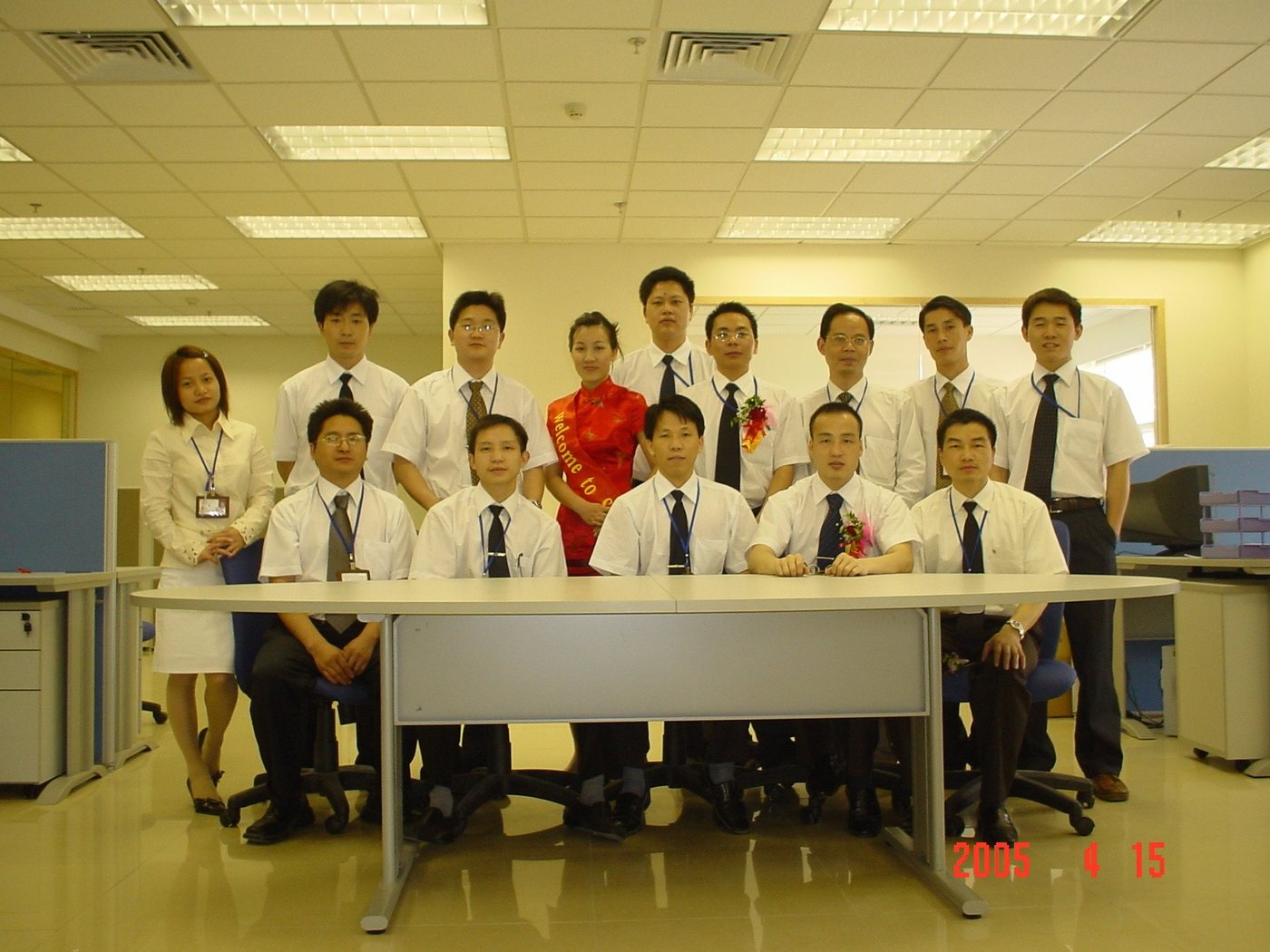
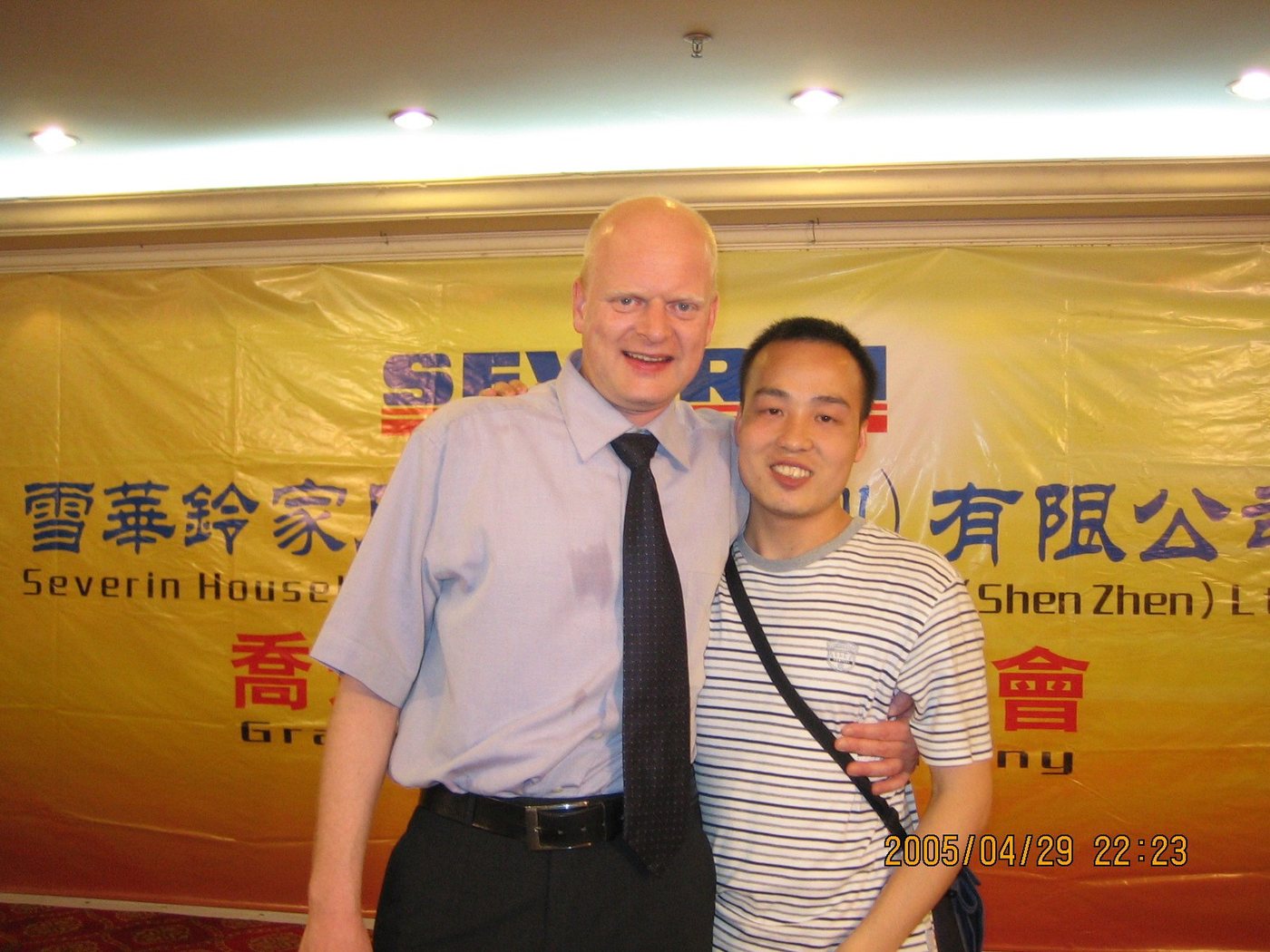
During that difficult period, a former Dickson colleague and close friend invited me to join Severin, a German-owned factory in Shenzhen. He was then the engineering manager. As his assistant, I began with supplier audits and production-line troubleshooting, then moved into product development and project management.
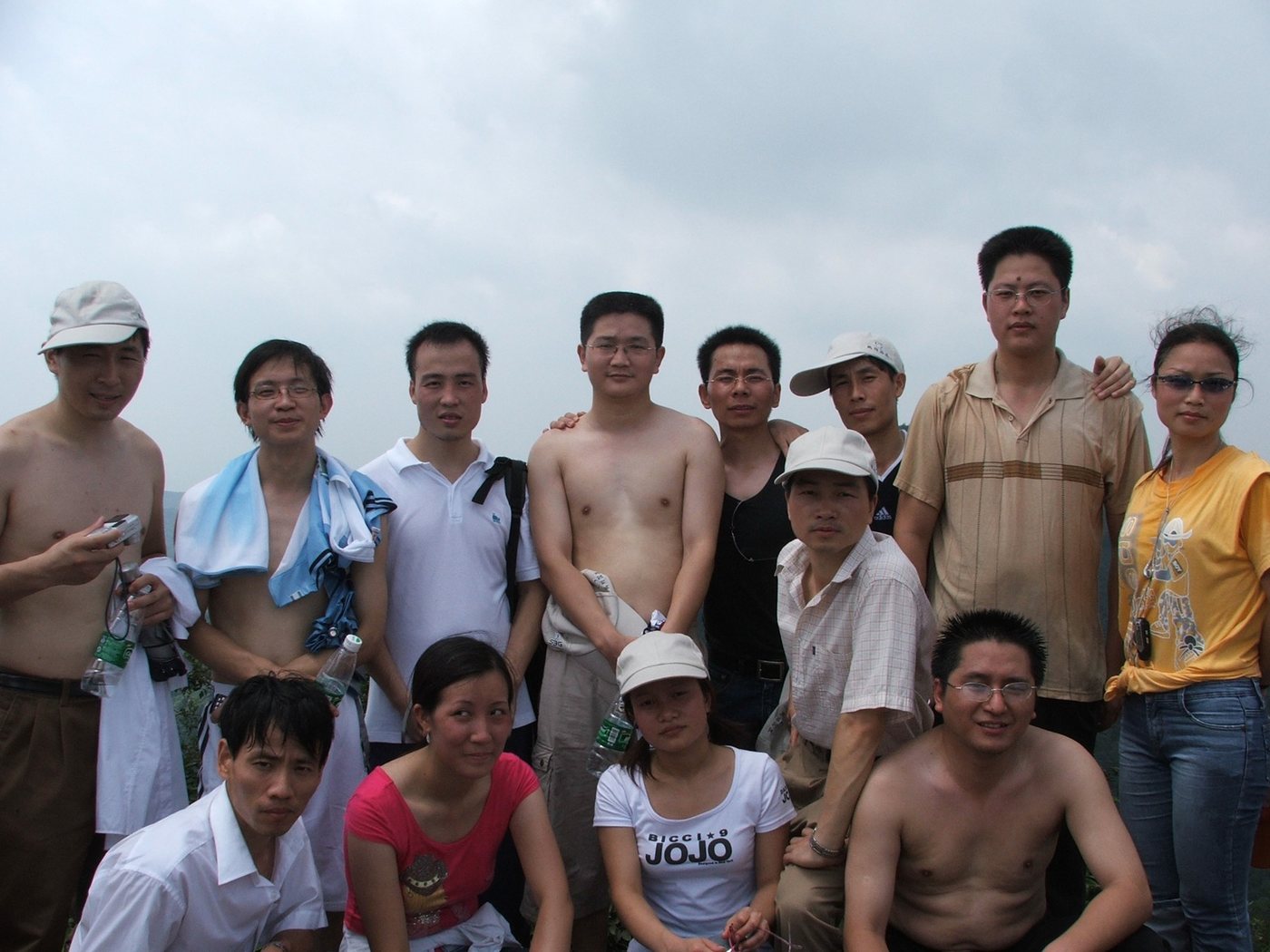
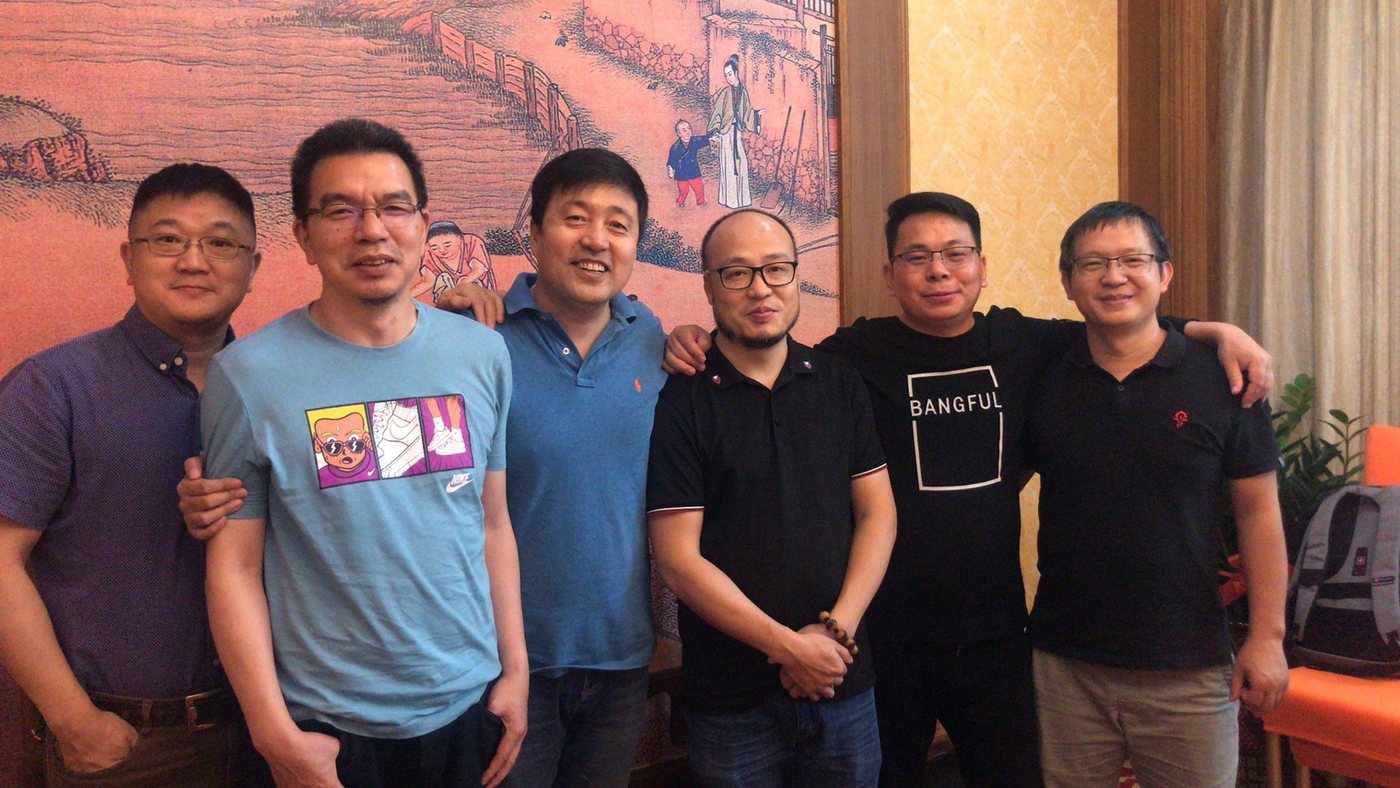
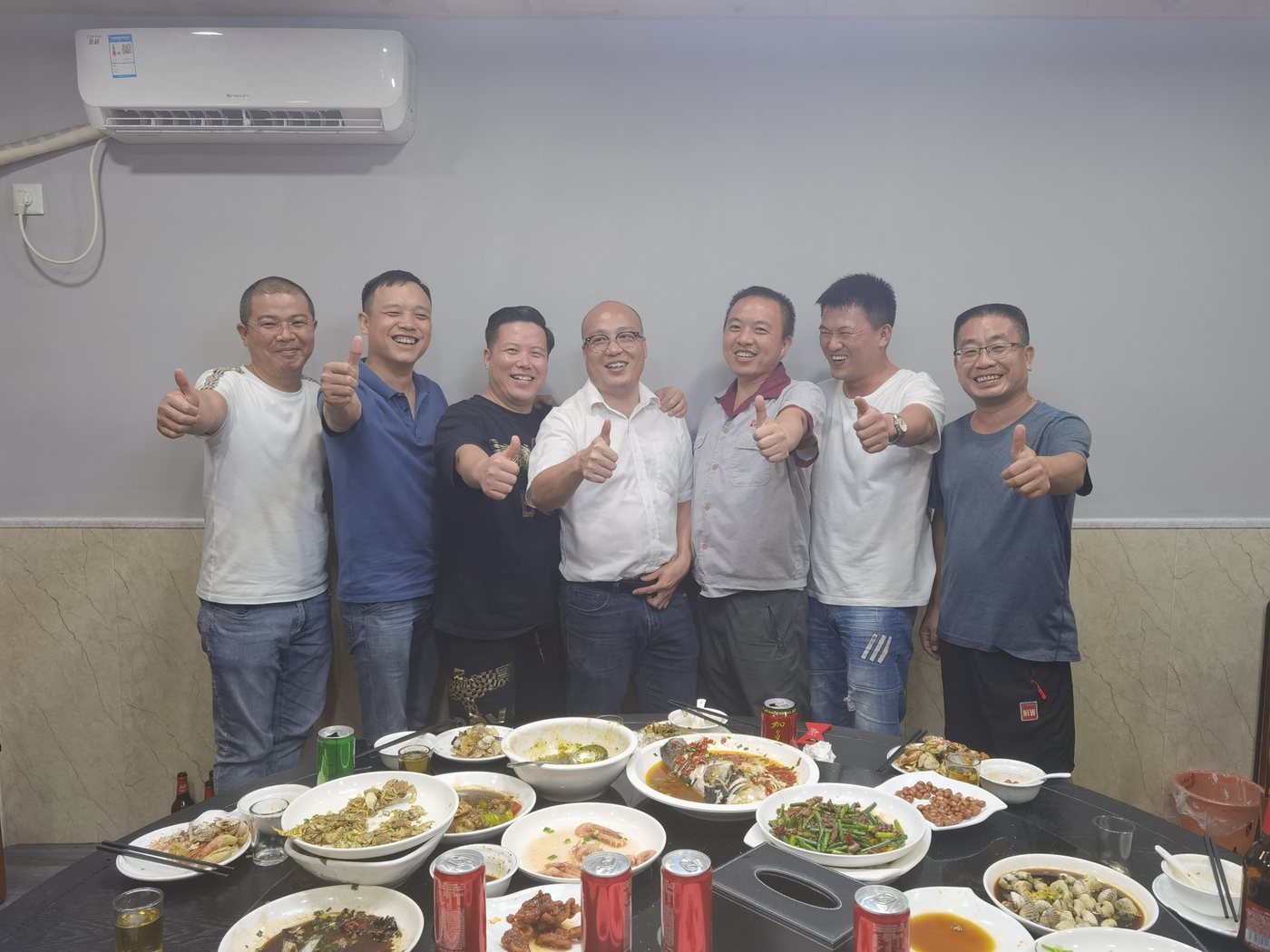
At Severin I gained enormously — not only a full expansion of product knowledge and skills, but the deepest brotherhood of my life. To this day that team keeps its brotherhood alive; we still gather often, with no strangeness at all — the same brothers, the same fire.
Manufacturing is cold and precise, but the warmth between people can be verified over twenty years.
2005–2017 · From first employee to partner
THE OFFICE I BUILT, AND THEN WOUND DOWNIn 2005, recommended by my classmate Zhang, I walked into an interview with an Italian sourcing company. The interviews took several unexpected turns, and I was fortunate at each one. My formal education was limited and none of my jobs had ever required English, so I crammed for two weeks with a colleague who worked in the lab under a German boss.
Round two was with the chief engineer, Boni. I could neither understand nor speak English, only read and write it, so he arranged for the engineering manager of their contract factory to sit in on the interview. Round three was the owner, who couldn't believe a man could read and write English without understanding spoken English or speaking it.
I still do not know what made Boni put his trust in me and tell him:
"I'm the one hiring him. I don't need his listening or speaking — he just needs to write emails and reports."
That endorsement got me hired. Three months in, I was holding simple conversations — I didn't embarrass him. For years afterward I went to Italy almost annually; my first stop was always him, and he was always the one picking me up at the airport. Once, when I brought it up, he said he trusts first instincts — and this was not the first time in his life.
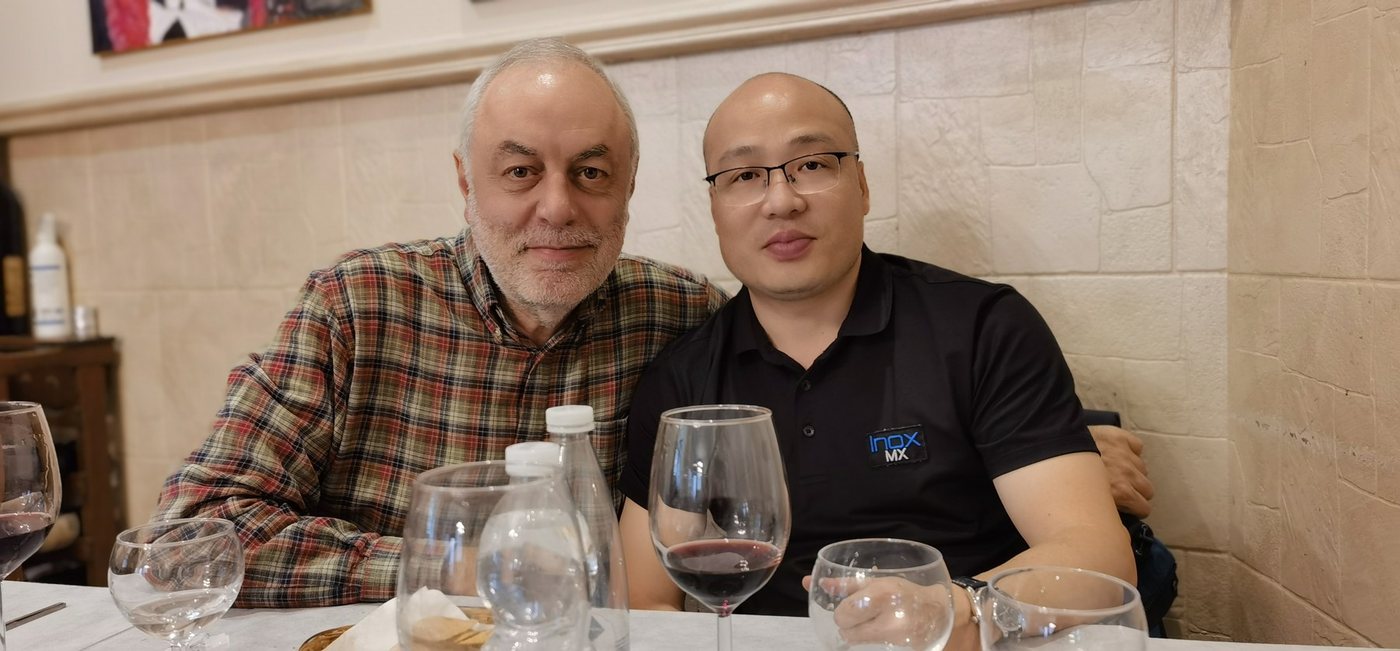
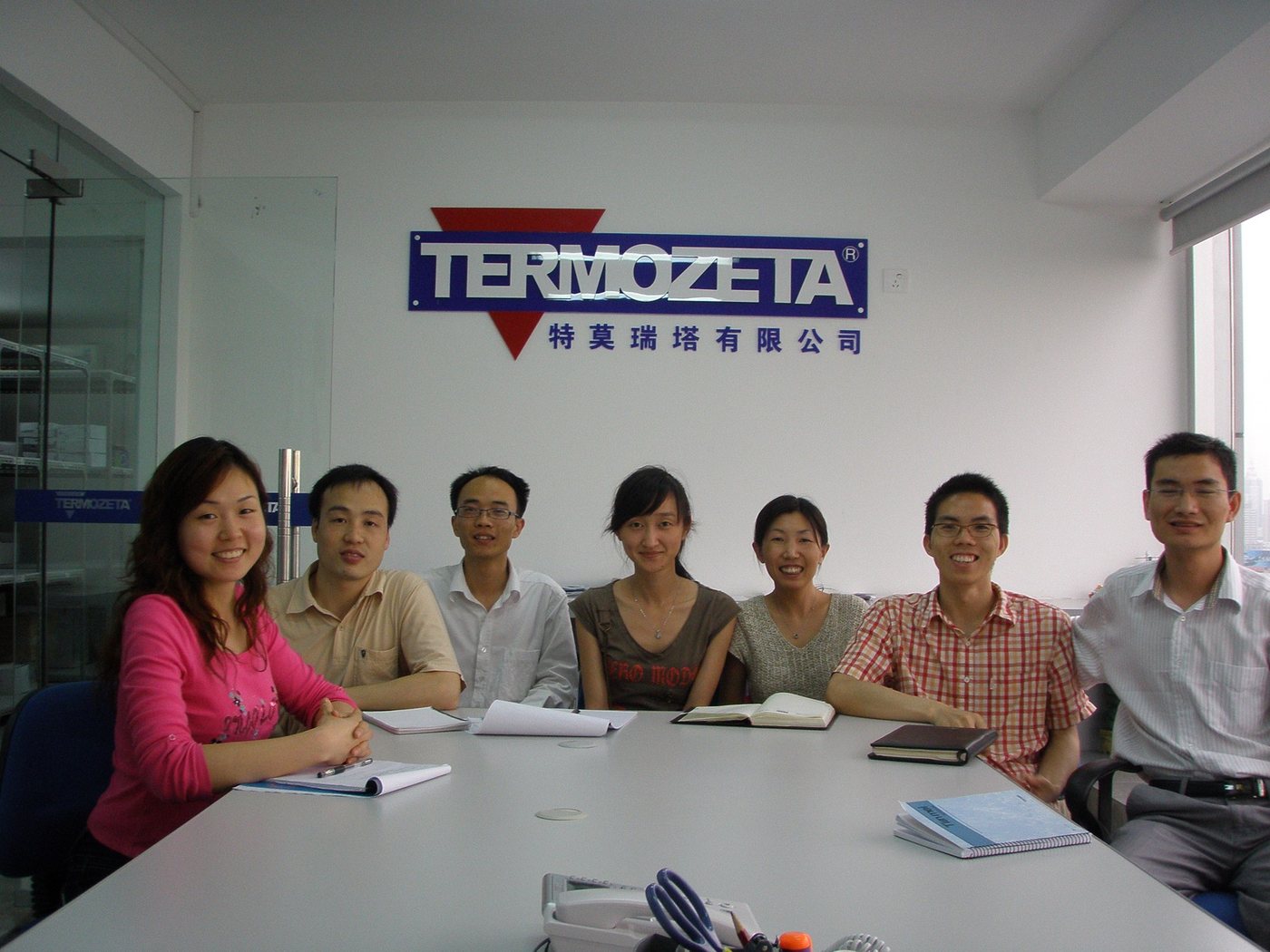
I was the first employee of that brand's China office. Beginning with the office fit-out, I led the creation of a team of forty to fifty people covering product design and development, engineering, project management, quality, safety testing, purchasing, order follow-up, logistics, and shipping. We handled the brand's full range of small appliances — kitchen, cleaning, beauty and hair care, ironing, and heating products. Industrial irons and capsule coffee machines were our core lines, and the China team designed and developed most of them ourselves.
In 2017, a change in company strategy led to the closure of the representative office, and I was responsible for winding it down. Boni and I then established YinFeng Technology Consulting in Shenzhen to take over the China operations. The journey from first employee to partner took twelve years.
Boni taught me that partnership is not merely about sharing profit; it is about sharing responsibility.
2011–2013 · Two failures
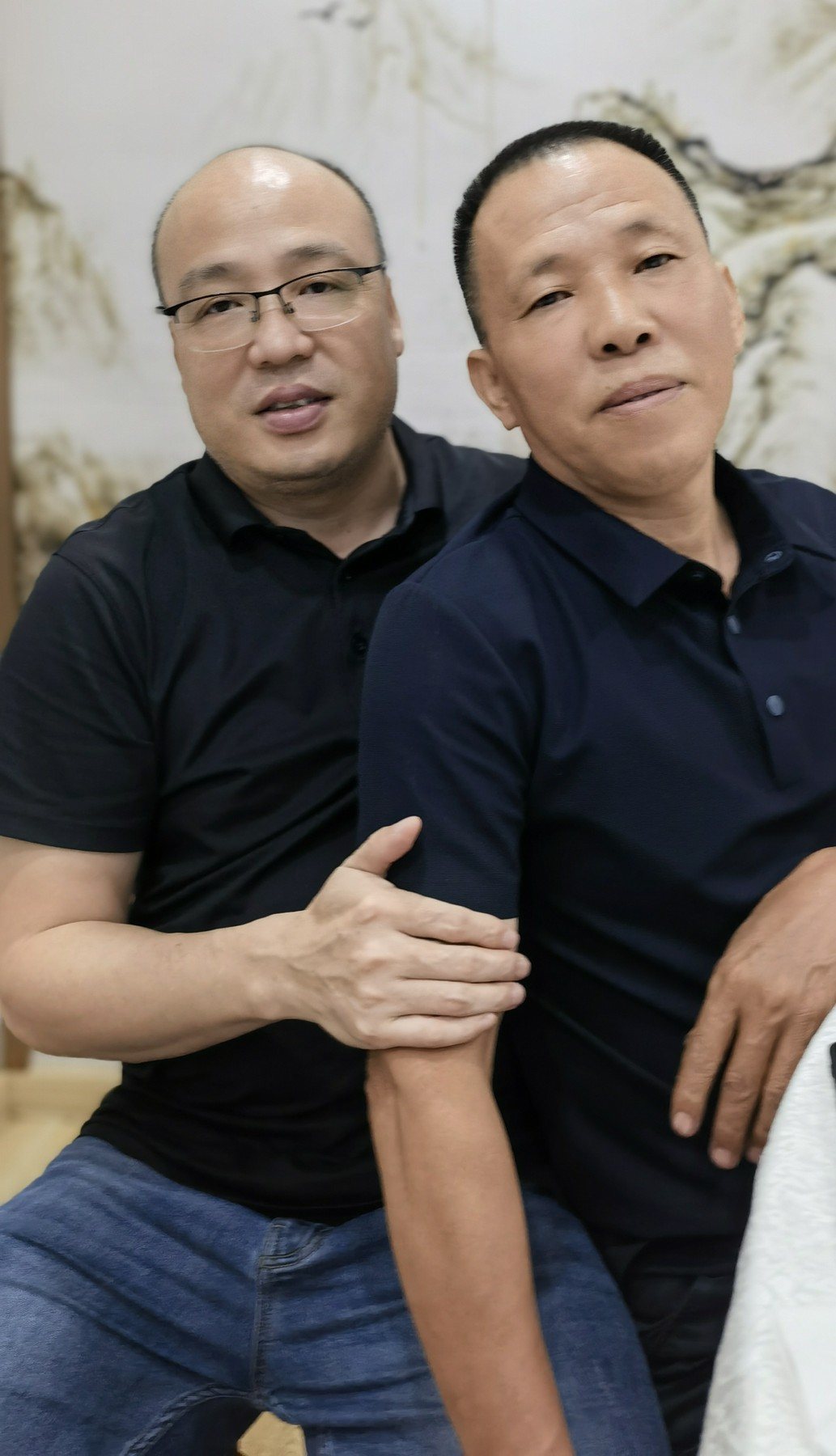
BOHAN HARDWARE · LEDOR APPLIANCESIn 2011, while still employed, I accepted an invitation from my good friend Lao Liu, a former Severin colleague, to found Bohan Hardware in Dongguan. He handled day-to-day operations; I kept my day job and helped bring in business. The main trade was metal stamping — our reasoning was that the process was simple and the equipment investment modest: a low barrier to entry.
Yet even with projects and business support, we barely held on for a year — a year of losses. Two men living off wages couldn't continue, and with no hope in sight we had to find a way out.
Looking back, we had made a basic assumption: with no entrepreneurial experience, armed with passion and brotherhood alone, we had simply assumed that years of engineering experience made us fully capable of handling such a "simple" stamping process — and completely ignored the full scope of running a business: resources and networks. Even the simplest process needs experienced people and supporting supply-chain resources. Trial and error on your own brings delays, quality complaints, inefficiency and costs that pile up until they crush a small factory.
Fortunately, my brotherhood with Liu survived. He and his wife still run a factory with a few presses today — diligent, busy, every single day.
In 2012, we brought in a new partner with more than twenty years of experience in stamping, deep drawing, and polishing, who had risen from an ordinary factory worker to general manager. He was a supplier I knew of and the husband of a former colleague, but we had never worked together directly. In hindsight, that was a signal we overlooked.
We acquired Guangzhou Ledor Appliances — at the time a tier-one supplier to Bosch Germany, employing more than three hundred people, mainly producing stainless-steel stamped, drawn, and polished components. We thought that with technology, customers, and an experienced partner, surely we could not lose again.
Unfortunately, differences in how we wanted to run the business became increasingly clear. As key people and resources came more under my partner's control, I felt I had less room to participate in decisions. Concerned that a shutdown could affect our customers' production, I transferred my entire 40 percent stake to my partner without compensation and left without taking any money.
Friendship matters, but it cannot replace an understanding of one another's goals, working methods, and attitudes toward money. Above all, I need to know whether we can get things done together.
Those two failures changed how I choose partners. For me, customers and suppliers I have worked with over time are a stronger basis for partnership than friendship alone.
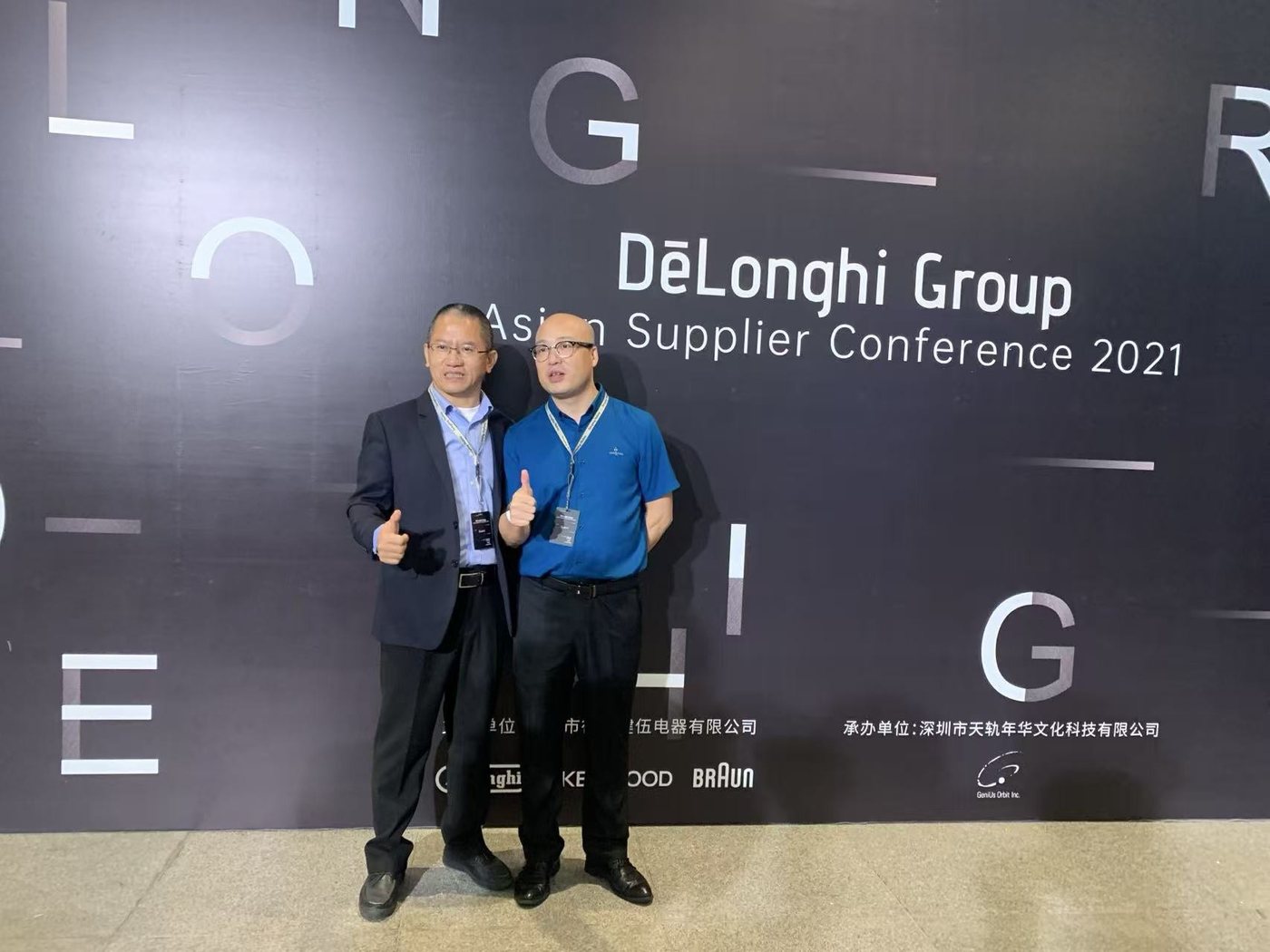
2013 · The chain closes
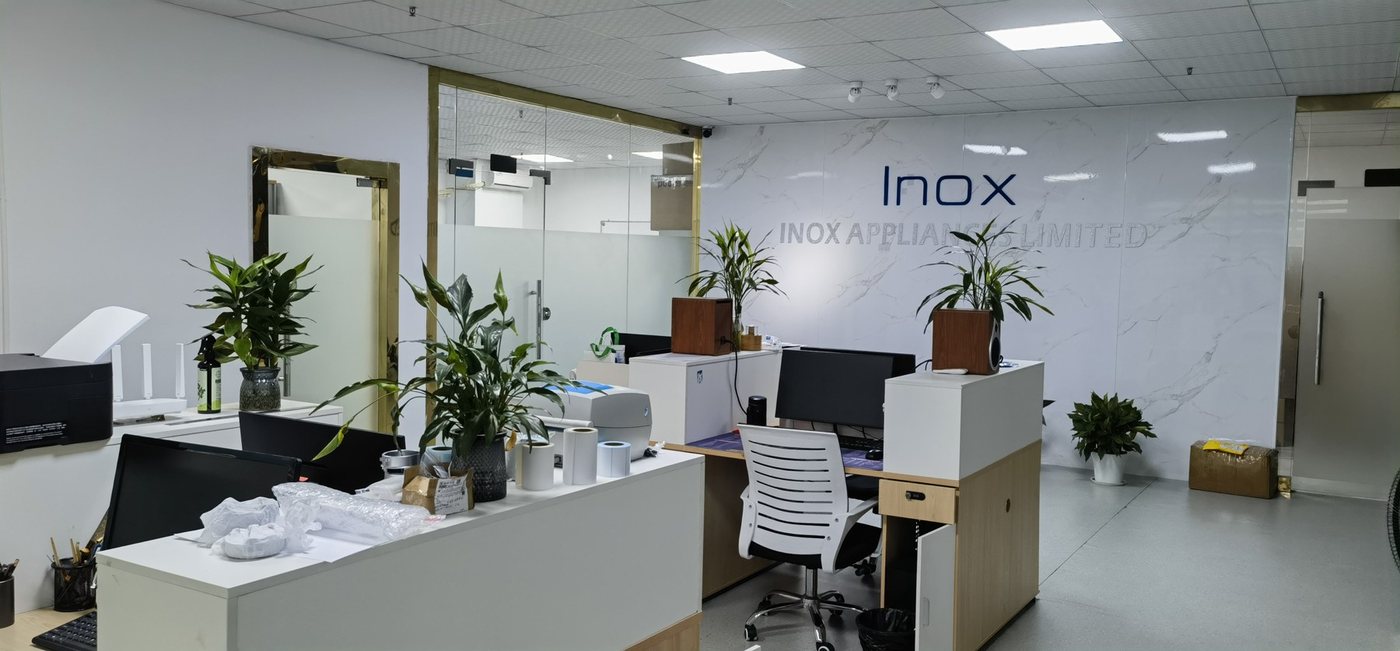
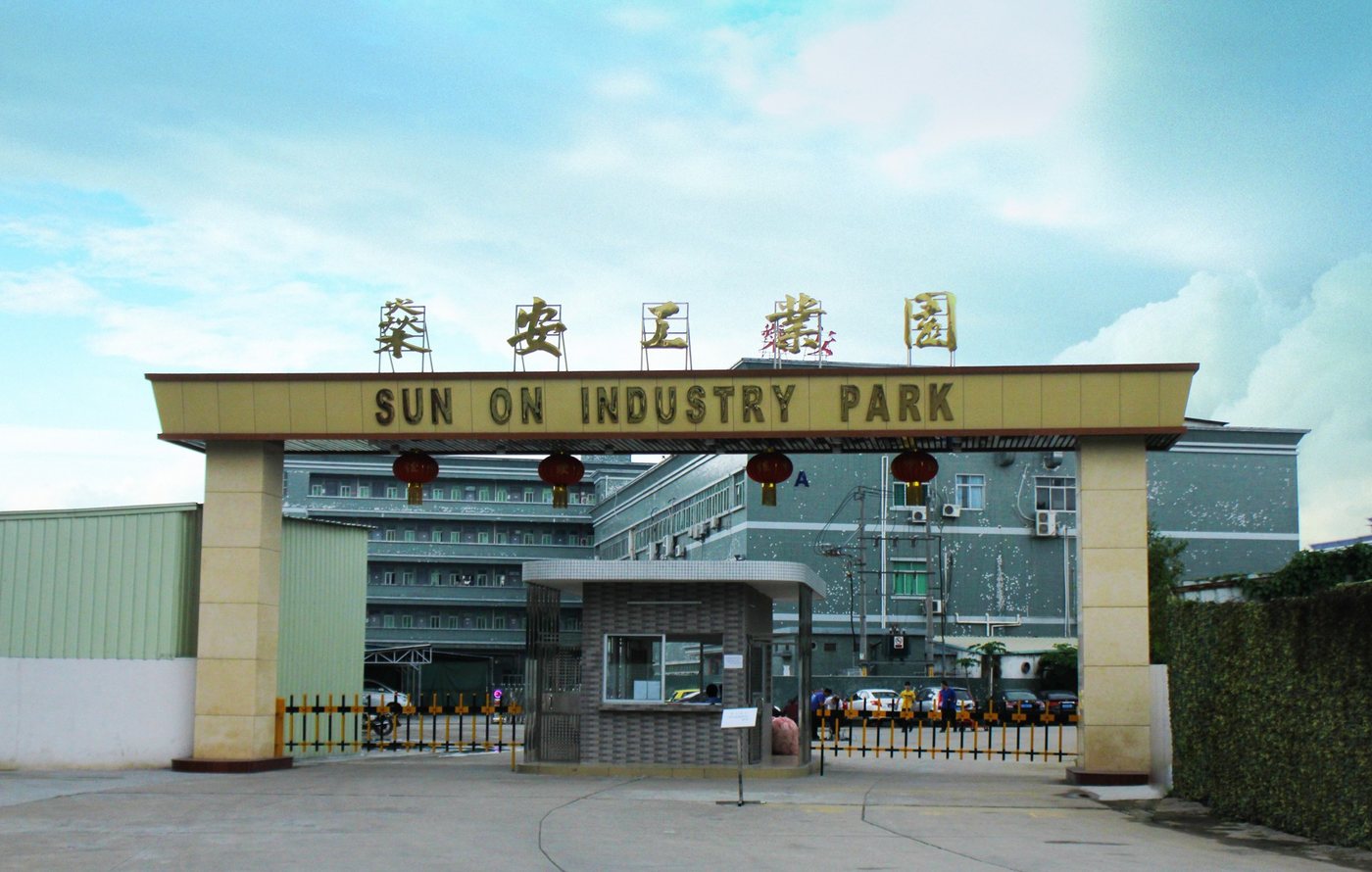
In September 2013, since my clients were all overseas, I founded Inox Appliances Limited in Hong Kong for brand operations and sales. That December, invited by Lao Li, I joined SunOn Group as a partner. SunOn had been a mould supplier I had worked with for years; its scope covered every kind of structural-parts production — moulds, injection moulding, die casting, machining, painting, powder coating, assembly — everything except finished goods. I joined precisely to add that missing finished-goods category, using my end-to-end small-appliance experience.
That year, for the first time, the full chain — design, development, manufacturing, brand, sales — closed into a loop in my hands.
The milk frother that didn't sell
AN ENGINEER'S EASIEST MISTAKEMy first product at SunOn was a milk frother. Drawing on my years in small appliances, I saw an opportunity in a category growing rapidly under Nespresso's influence.
My design had three goals: improve water resistance and make dishwasher cleaning feasible; use a transparent Tritan jug so people could see the milk turn into foam; and replace the usual round jug with a square one. I hoped the walls would disrupt the flow and improve mixing and aeration. It was both a visual distinction and an experiment in how the product worked.
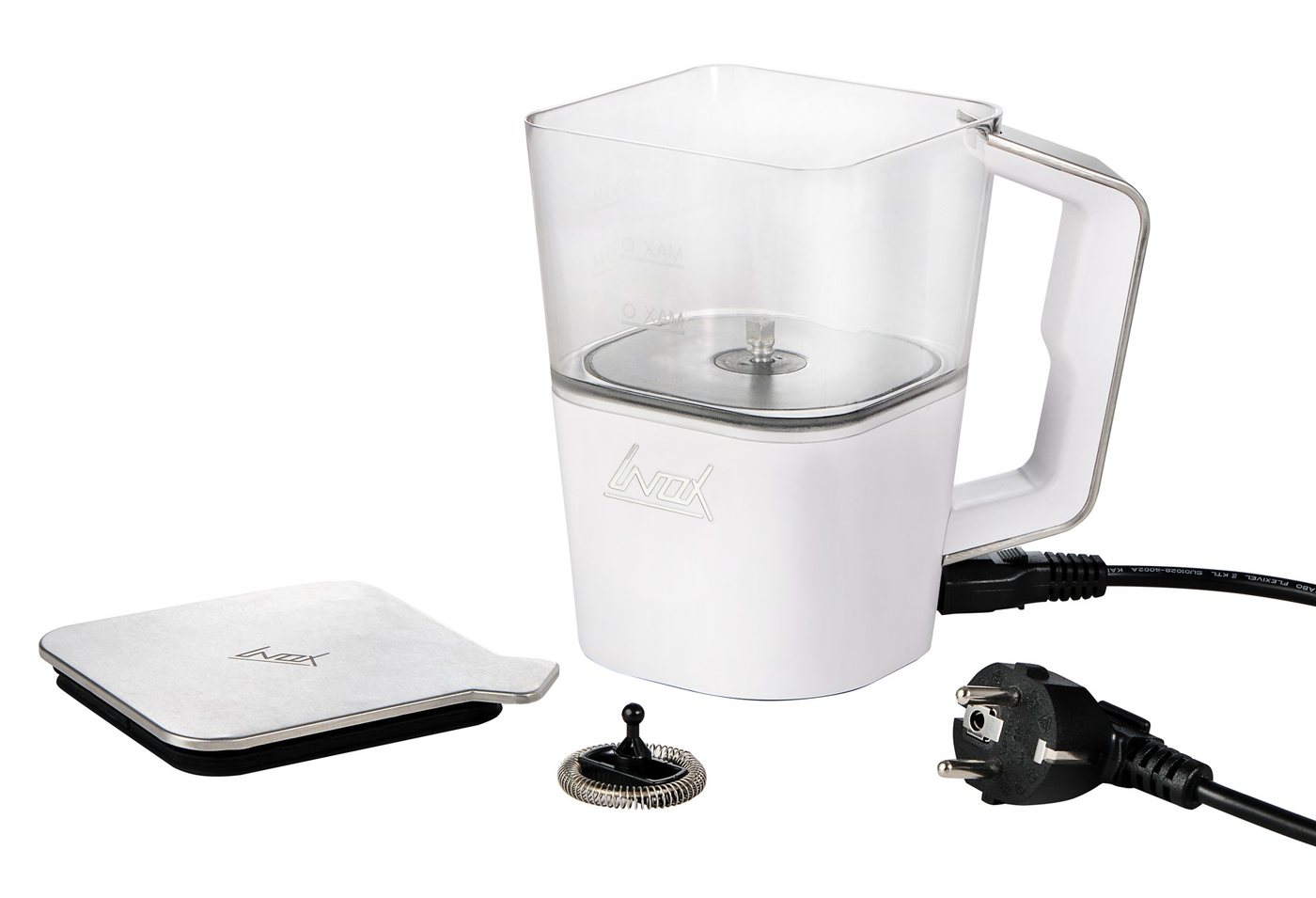
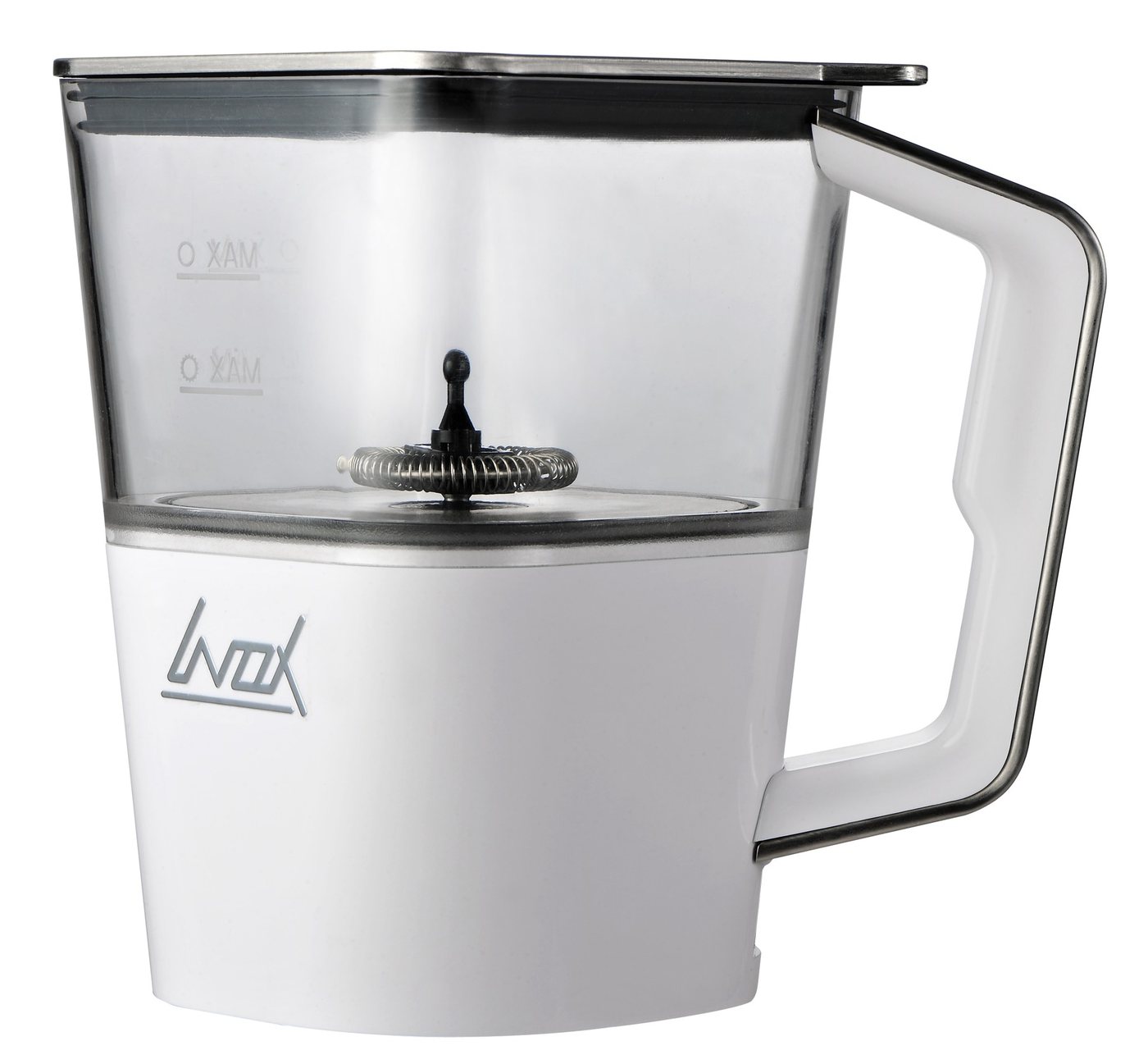
The square milk frother: a transparent Tritan jug and an exploration of easier cleaning.
Unfortunately, it did not sell. After several trade shows, we sent more than a thousand samples to brand customers around the world. It attracted attention, but attention did not become enough orders.
Years later, the reasons are clear. We had not begun with solid market research or demand validation. We mistook a solution engineers admired for a product consumers would pay for. As competitors multiplied, the complexity of our design steadily consumed its cost advantage.
"It can be built" is an engineering conclusion; it does not mean "it should be built" as a business. The easiest mistake for an engineer is to fall in love with an answer and only then go looking for the problem.
2015–present · Building with makers worldwide
In 2015, I began working with overseas hardware teams through HWTrek, a platform connecting makers with supply-chain partners. At the busiest stage, I was involved in or hosted no fewer than fifty overseas projects a year. Some arrived as little more than sketches; others were already close to production. Their founders came from different countries and spoke different languages, yet they shared the same obsession: the thing in their minds had to become real.
My job was to translate that obsession into materials, structures, tooling, testing, and delivery dates.
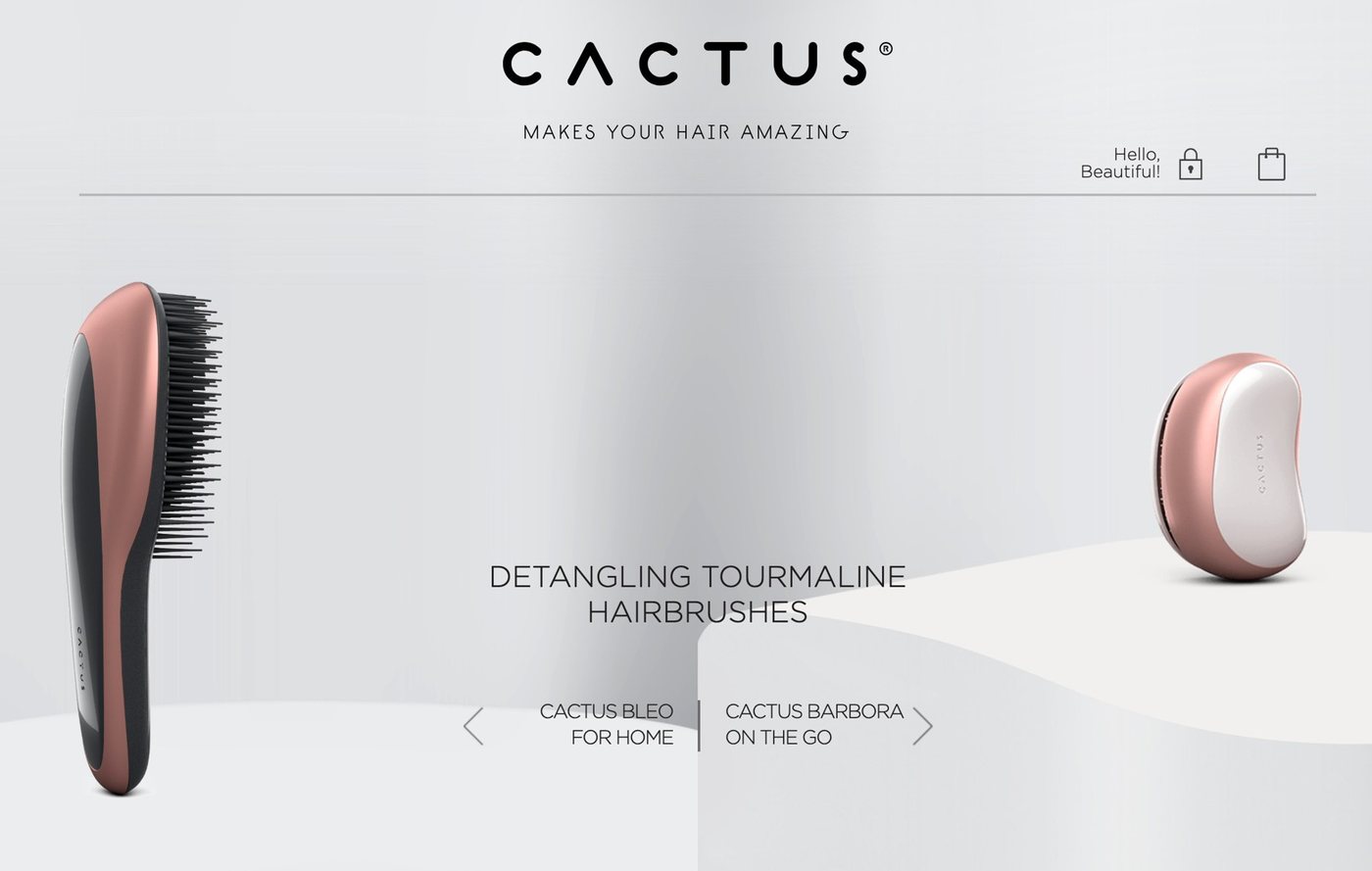
Sve, from Sofia, Bulgaria, is a classic example of a customer who became a project partner. The CactusBrush he managed was positioned against Tangle Teezer and experimented with adding tourmaline to the brush material. For those of us responsible for manufacturing, the real challenge was making the material process stable while preserving the vivid colour and surface finish expected of a hairbrush. We went through repeated material trials before reaching consistent production. Based on the data available to me through the project, Sve built the product and company from zero to cumulative sales of roughly half a million units.
He showed me that a pioneer is not merely the first person to voice an idea, but the one who stays with its problems until production.
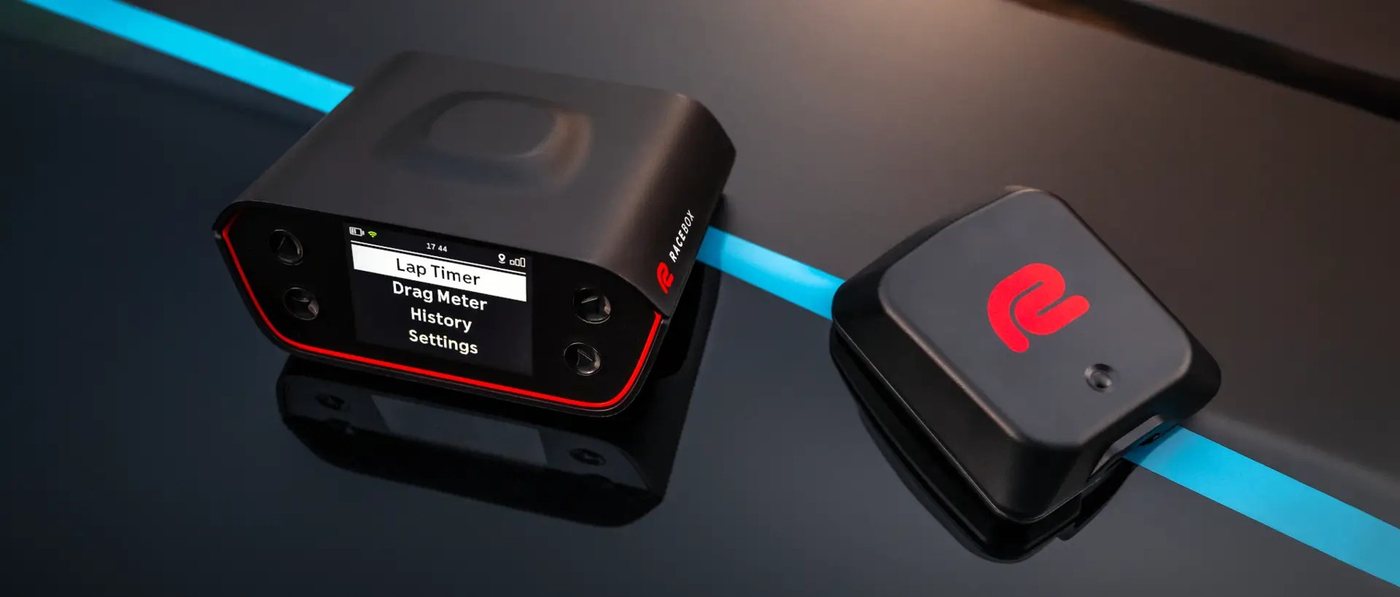
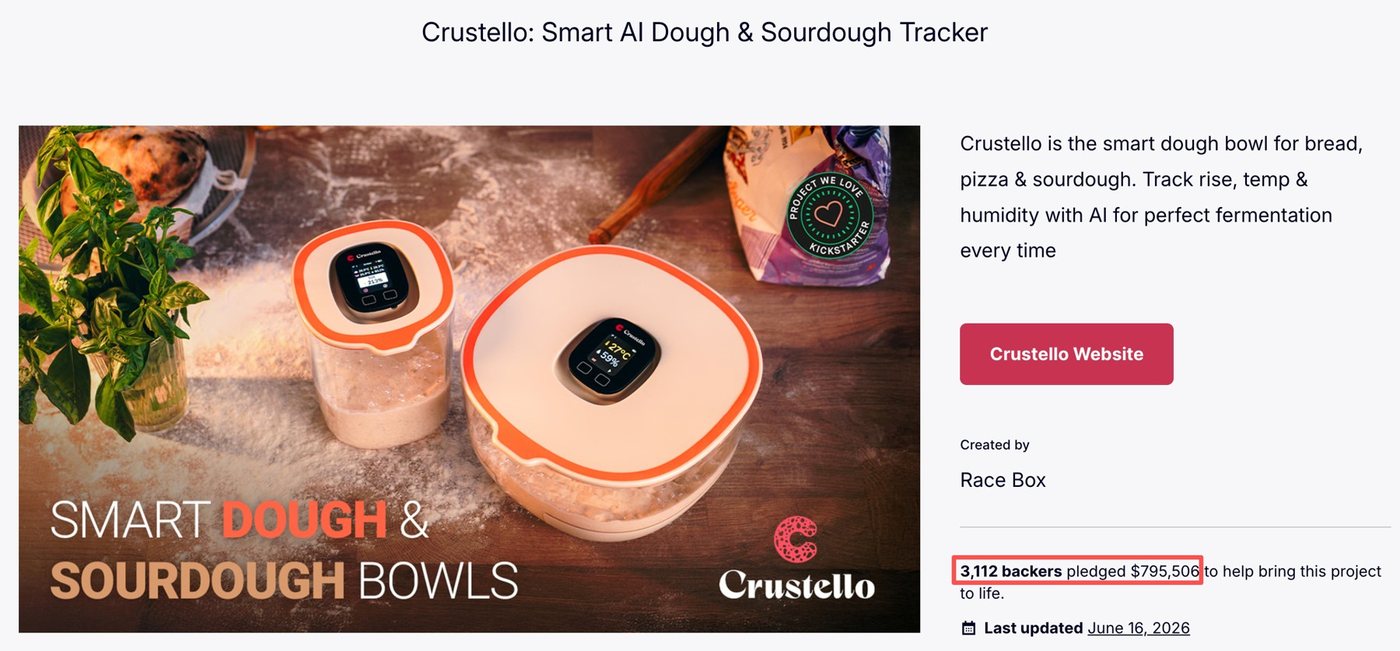
Through Sve, I met Rosen, the founder of RaceBox, which develops lap-timing and vehicle-performance data products. From the first generation through RaceBox Mini, I took part in the full journey from concept and engineering development to shipment. We gradually moved beyond the relationship of customer and manufacturing partner and became like family, continuing to develop new categories together. Another project, Crustello, is a smart dough-fermentation monitor for home baking, launched through a Kickstarter campaign.
What moves me most about maker culture is not any single technology, but the trust that can cross distance. A young man from Sofia and an engineer from a mountain village in Ruijin lived thousands of kilometres apart, yet a hairbrush turned us from customer and supplier into partners, and then into family.
It reminds me of what Boni taught me each time he met me at the airport:
Trust your first instinct about people, then use one delivery after another to turn instinct into trust, and trust into products.
All projects and products mentioned here were co-developed and are disclosed with the founders' consent.
2024–present · Indonesia: China plus one
SEMARANG · 20,000 M² · HANDOVER EXPECTED END OF 2026As U.S. tariffs reshaped supply chains, more customers began asking for a "China+1" option. In 2024, we purchased approximately twenty thousand square metres of land in Semarang, Indonesia, and established PT SunOn Industries Indonesia. We broke ground on 30 April 2025. As of September 2026, construction is in its final stage, with completion and handover expected before year-end.
I am responsible for the project from land acquisition and factory construction through future production and operations, and I spend at least one week each month on site in Semarang.
Thirty years ago, foreign brands came into China and I learned world standards on the factory floor. Thirty years later, I am following the global supply chain outward and carrying those standards into Southeast Asia.
Globalization has not disappeared; it has taken another road.
People of my manufacturing generation seem to spend our lives on the road — first learning how to travel it, then building it for those who come after us.
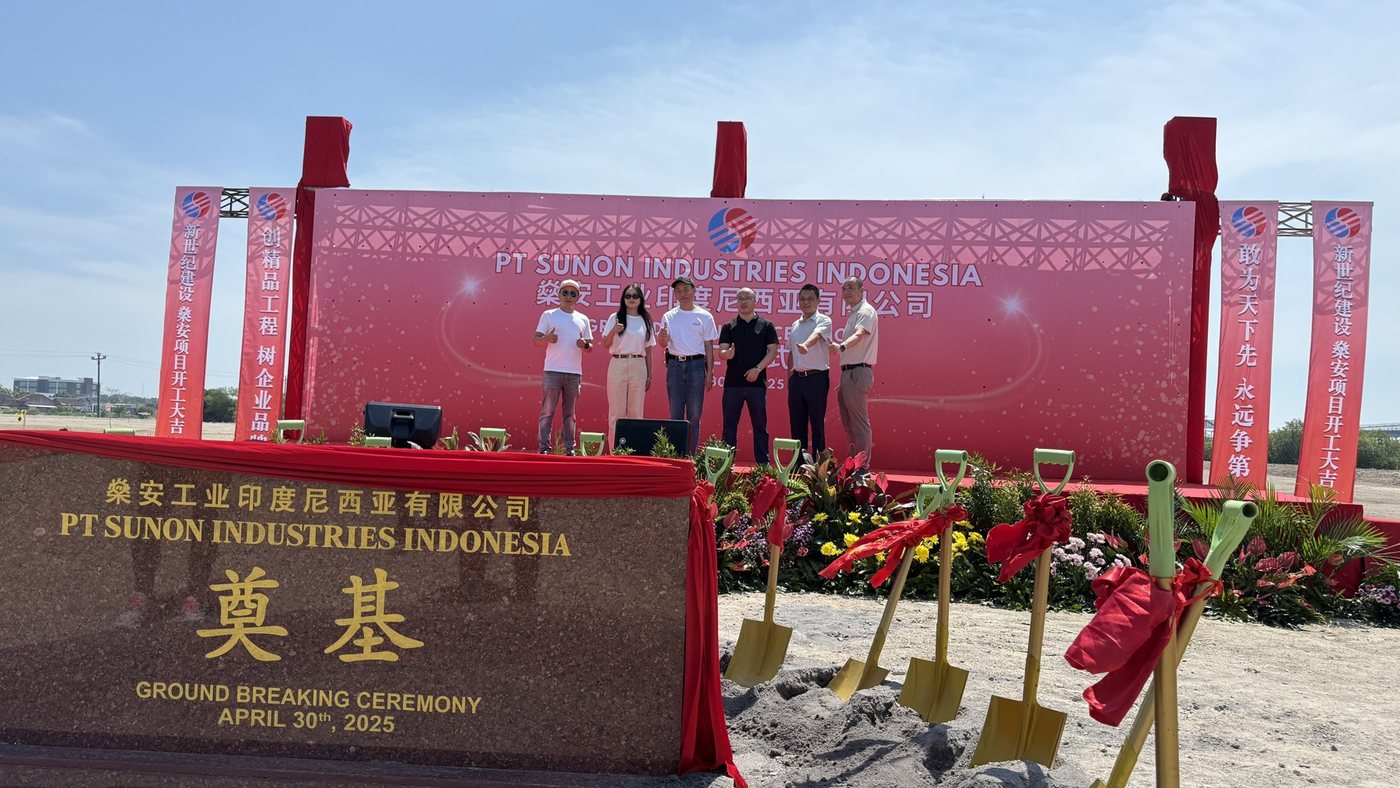
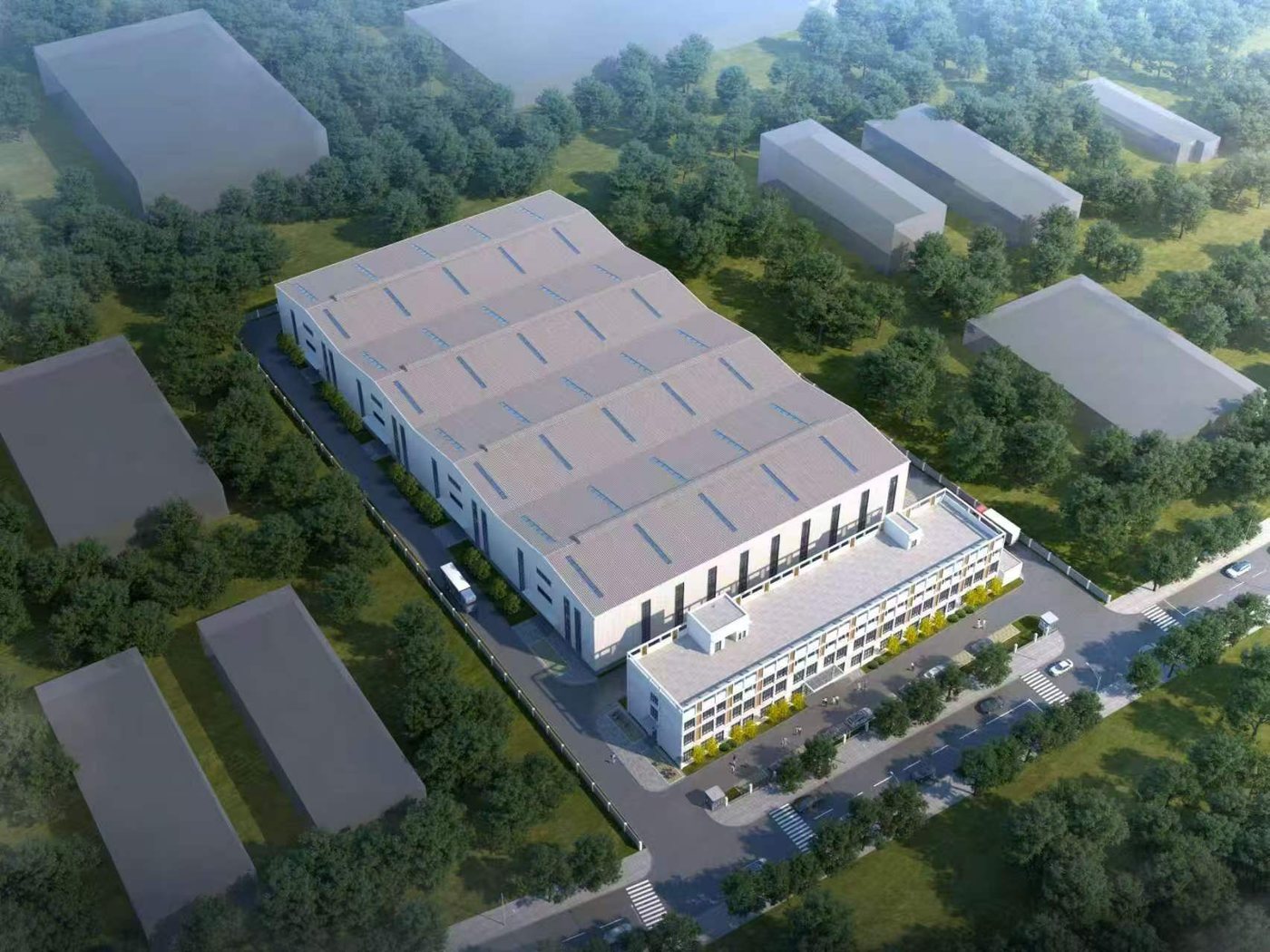
What the Indonesia site means if you are already manufacturing in China →
The story goes on
This story spans nearly half a century, and many details can only be recovered piece by piece from memory. I did not write it to prove how far I have travelled. I wrote it to remember that whenever the road seemed impossible, someone reached out a hand; and that every overconfident wrong turn left behind both a cost and an answer.
I intend to remain on the front line of entrepreneurship and manufacturing — still learning, still building.
I have never forgotten what it means to arrive in an unfamiliar place and find that someone is there waiting.
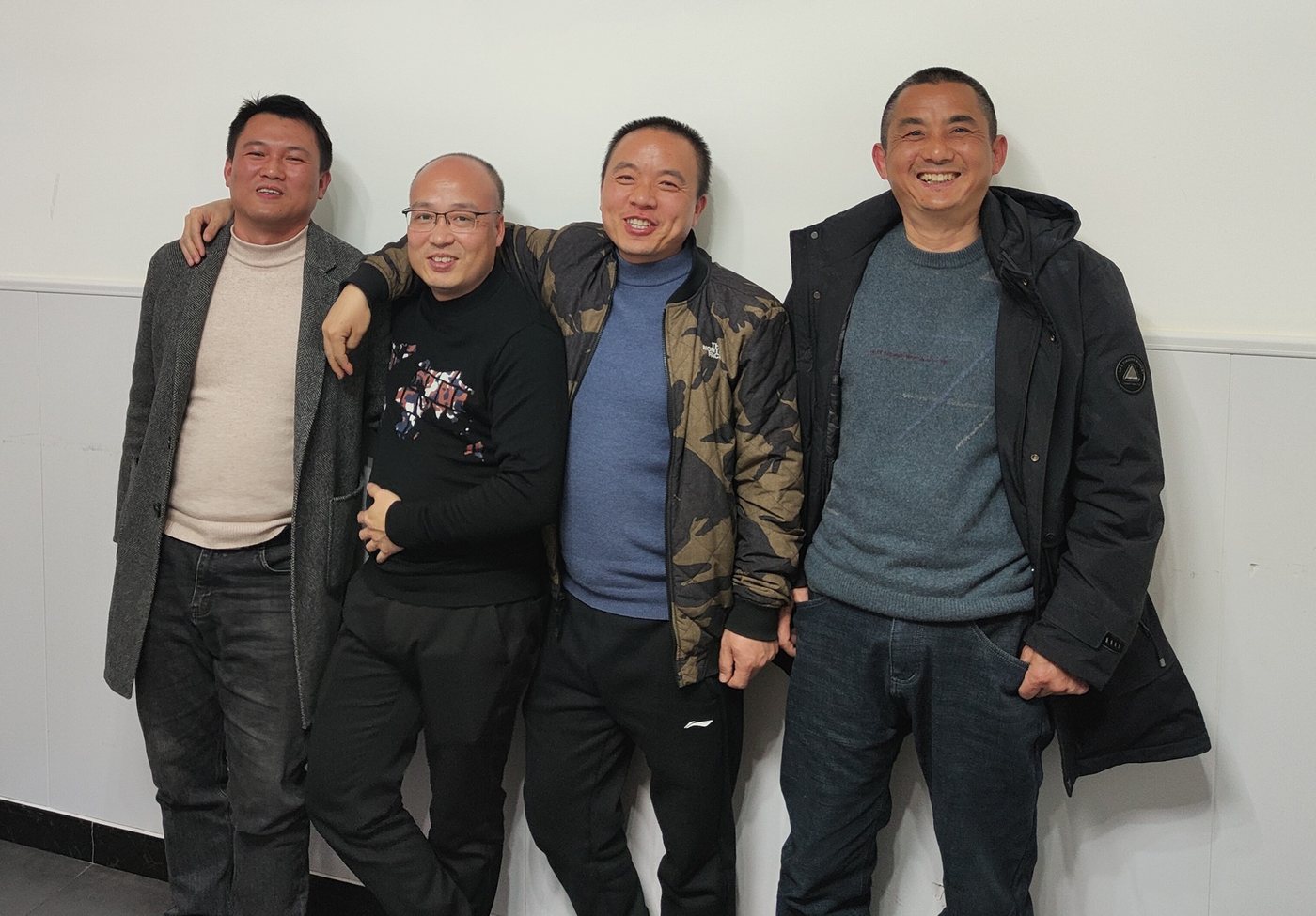
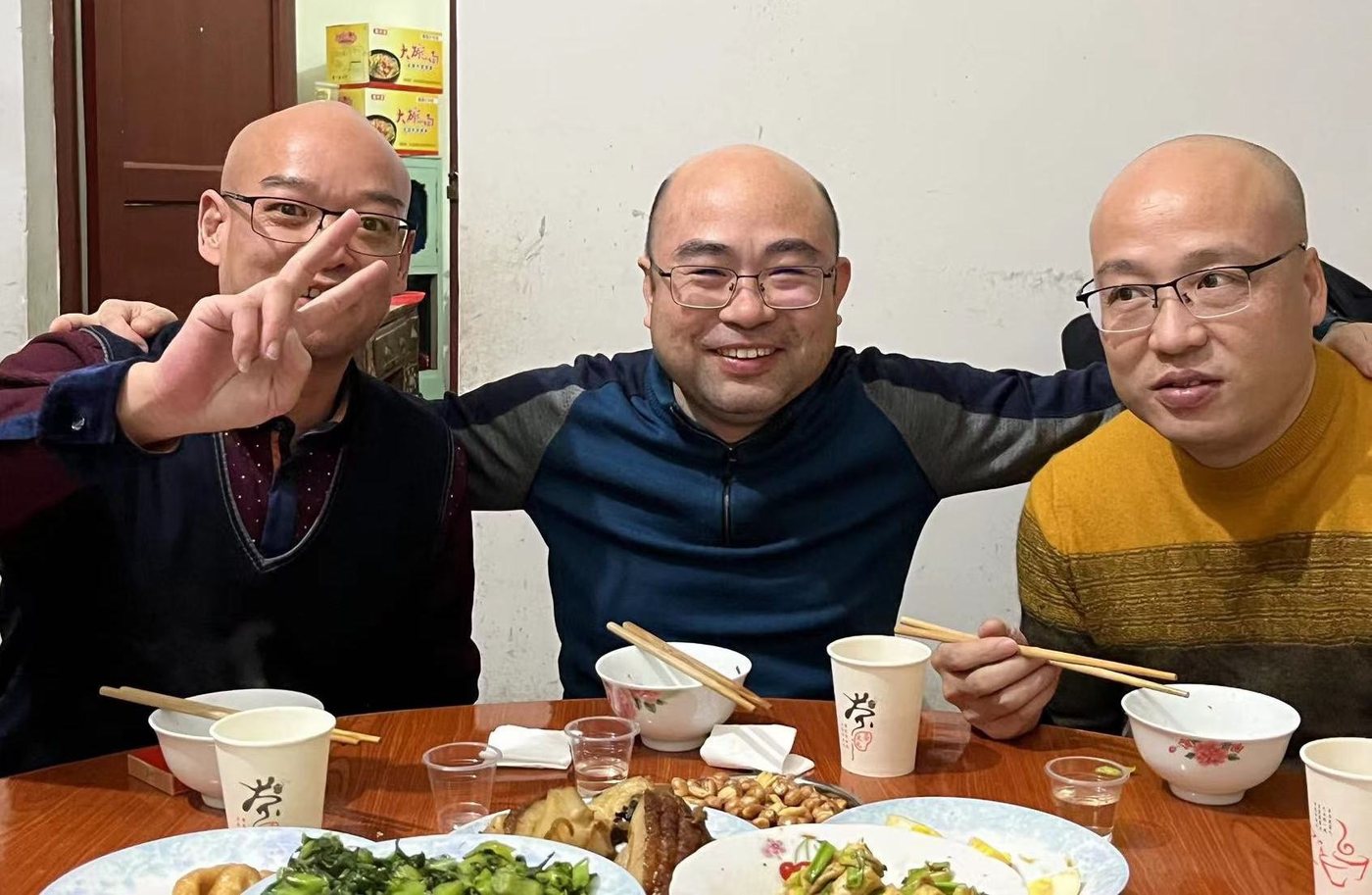
Ye, my classmate Zhang, and old friends who have walked this road with me.