Most pages about CNC machining are written to sell you CNC machining. This one includes the part where I tell you to buy less of it.
These are the numbers from my own equipment list. They are what the machines hold in production — not the best single part you can coax out of them for a sample submission.
| Machine class | Tolerance | Typical use | Count |
|---|---|---|---|
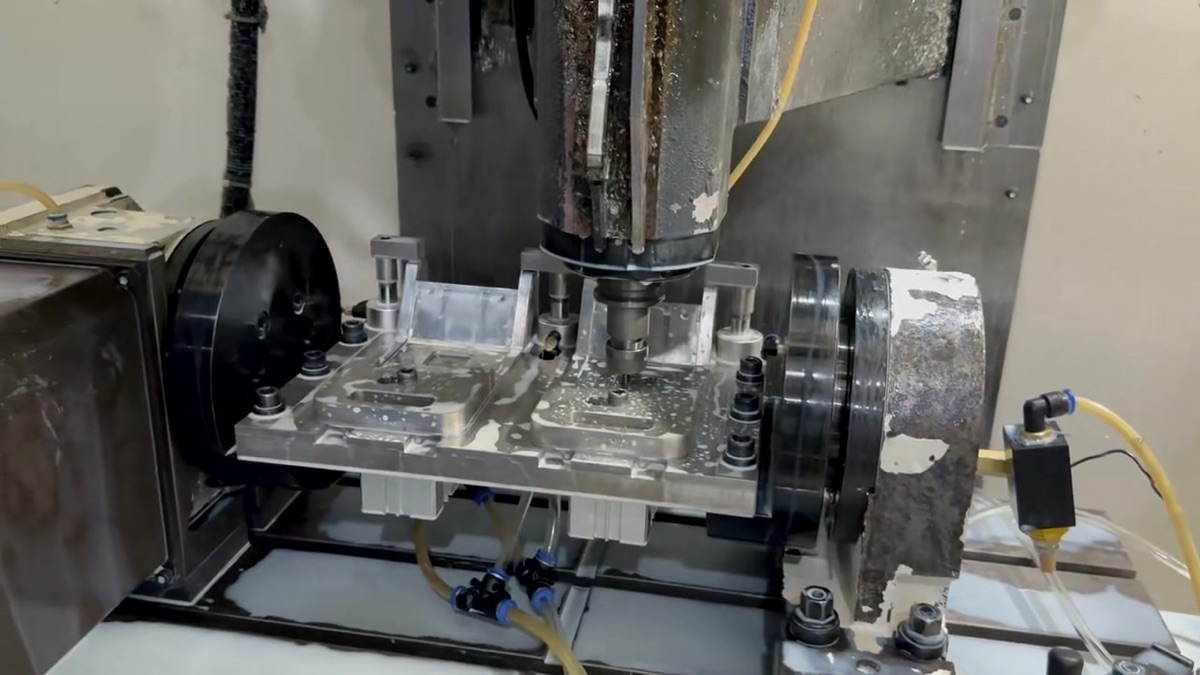
| Standard machining centre | ≤0.015 mm | General features, housings, brackets | 29 |
| High-speed CNC | ≤0.005 mm | Fine features, mould cores and cavities | 13 |
| CNC turning | ≤0.005 mm | Round features, shafts, bores | 3 |
| Jig / surface grinding | ≤0.002 mm | Flatness, parallelism, gauge surfaces | 30 |
| Sinker EDM | ≤0.015 mm | Features a cutter cannot reach | 48 |
| Mirror EDM | ≤0.005 mm | Polished cavity surfaces | 8 |
| Wire EDM (slow wire) | ≤0.005 mm | Profiles, inserts, tight corners | 6 |
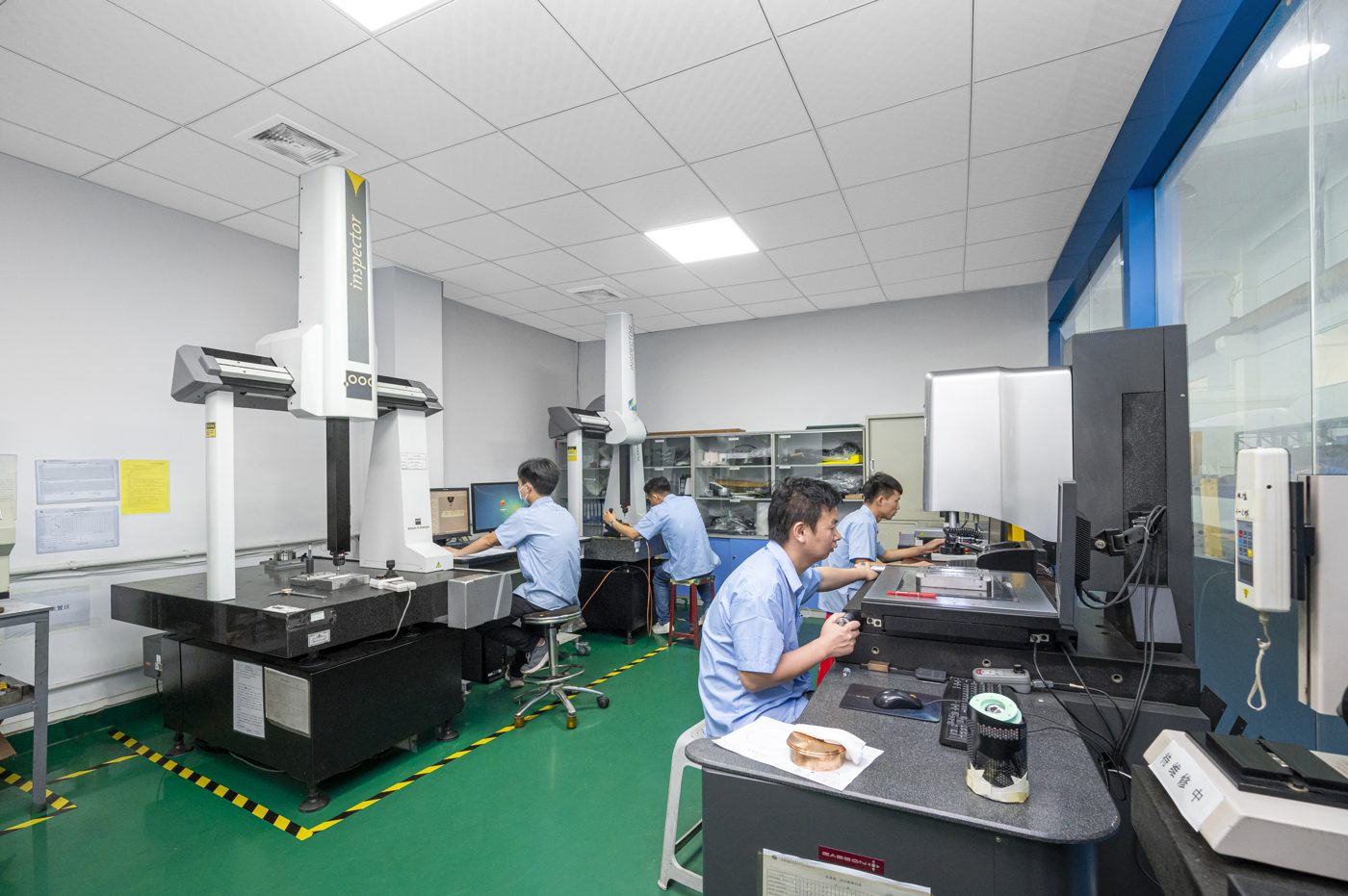
| CMM verification | ≤0.0005 mm | The measurement, not the cutting | 6 |
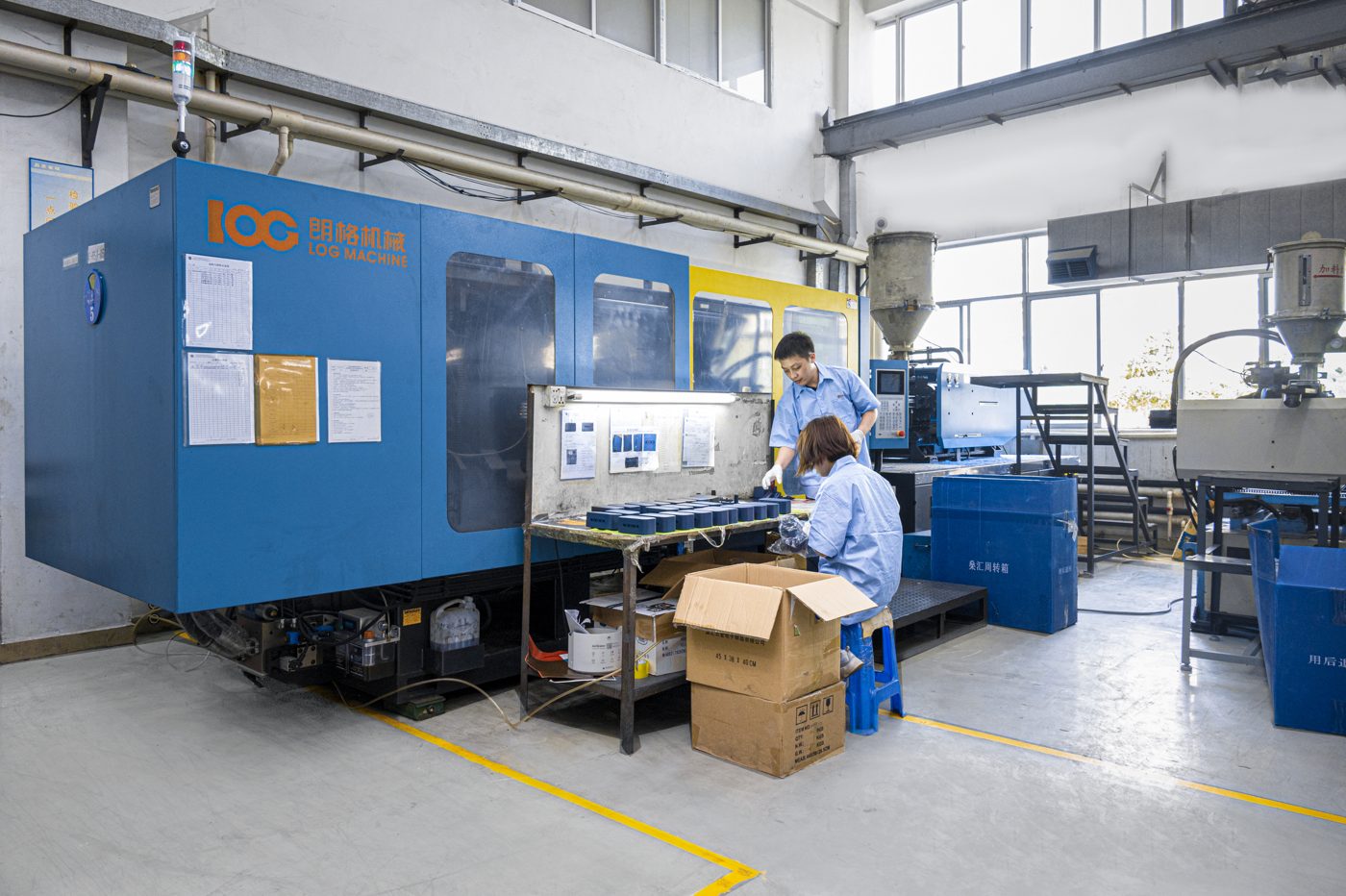
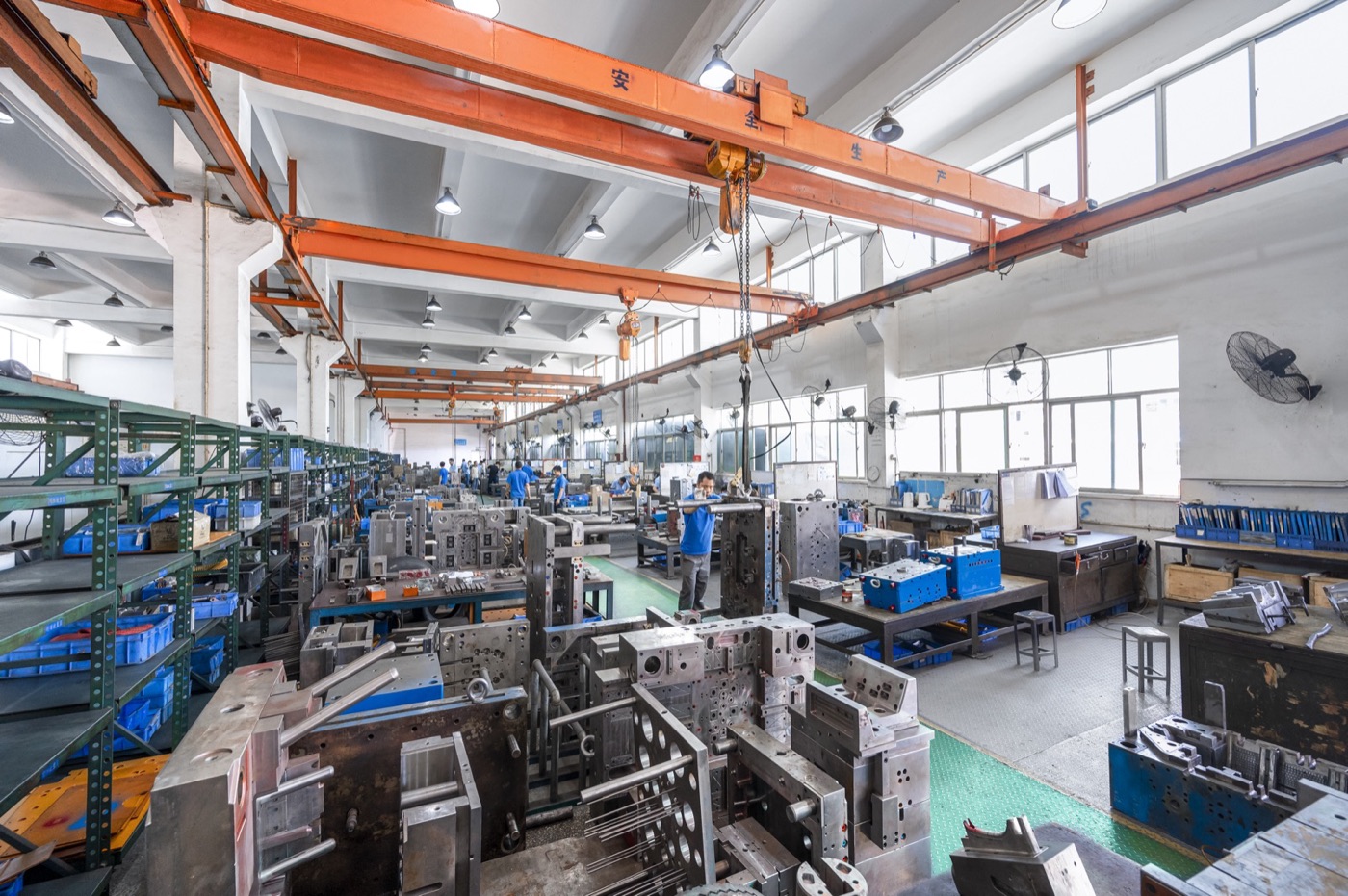
158 machines across CNC, EDM, milling and drilling. 15 CNC programmers. Key equipment includes Mori Seiki high-speed machining centres, Mitsubishi mirror EDM and AgieCharmilles slow-wire.
Tightening a tolerance does not raise cost smoothly. It steps — and the steps are in odd places.
The expensive part is almost never the cutting. It is the measuring and the rejects.
A shop that quotes ±0.005 mm across a whole drawing, cheerfully and immediately, is either not going to hold it or has not read it.
Which is why the single most useful edit to most drawings is not tightening anything — it is loosening everything that does not need to be tight, so the two or three features that genuinely matter get the attention and the budget.
Related: the $42,000 run rejected over one untoleranced face →
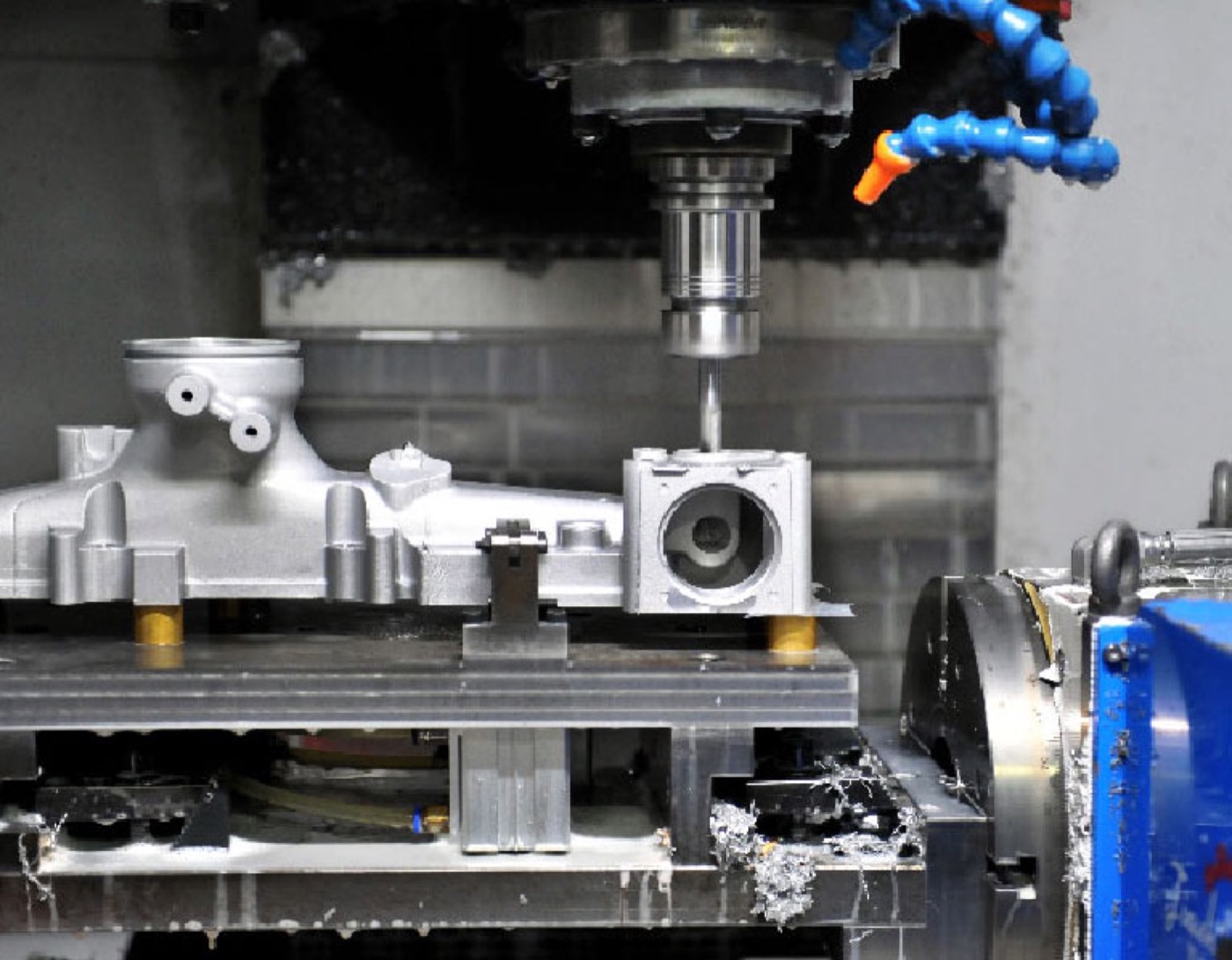
I own 42 CNC machines. Here is the advice that costs me machining hours.
Machining a housing from solid has almost no setup cost and a high cost per part. Casting has a real tool cost once, then a low cost per part, with only the critical faces machined afterwards. Those are two straight lines on a chart, and they cross.
For a typical aluminium housing, the crossover sits somewhere around 500 to 2,000 units a year — the exact point depends on how much metal the cutter has to remove. A part that is mostly air when you are finished is a part you are paying to turn into swarf.
Two things make this decision go wrong in practice:
I have mould making, die casting and CNC under the same roof, which is the only reason I have no stake in which one you choose. How die casting compares →
When a founder shows me three CNC quotes with a 3× spread, it is almost always these four things — none of which appear on the quote itself:
A drawing has a general tolerance block and specific callouts. The cheap quote priced the general block. The expensive one priced the callouts. Both are technically quoting your drawing.
CMM on a defined sample plan, or a caliper by the operator? This is a real cost difference and it is the one that decides whether problems are found in the factory or in your warehouse.
Every re-fixture adds cost and stacks tolerance. A quote that assumes three setups where the part really needs five is not cheaper — it is wrong, and you find out at first article.
6061 versus 6063 versus "equivalent". The substitution is usually legitimate and occasionally not. Ask for the mill certificate before the price discussion, not after.
A quote that came back within an hour and asked nothing is the one to be careful with. In machining, as in casting, the fastest quote is the one that did not ask any questions — and it is very often the most expensive outcome.
Certification note, stated plainly: the group holds ISO 9001, ISO 14001 and IATF 16949. The ISO scope covers mould making and injection moulding — it does not cover die casting. I would rather you learned that here than during due diligence. The full equipment and certification detail →
Send it. You get back the two or three tolerances that are driving the price, and whether the volume says machine it or cast it.
Project services & rates →If machining is one line in a bill of materials with fifty suppliers behind it, the machining is not really your problem.
The managed department →Different conversation, still open, still free — and the templates below are free with no email required.
Free templates & checklists →