It is the one thing on a drawing that usually has no tolerance, no acceptance criterion and no boundary sample — and it is the most common reason a batch gets rejected on arrival. Not because the factory did it badly, but because nobody wrote down what "good" meant.
The short version
A die casting will not anodize like the extruded sample you were shown. The silicon does not convert.
Decide in this order: alloy → process → finish → tool design. Reverse any two and something gets paid for twice.
"Class A surface" is not inspectable. Four things make a cosmetic spec enforceable.
5finishing processes in house — anodizing, chrome, powder, paint, blast
2×finish disputes are almost always two people at different viewing distances
0cost of fixing this at design stage
⭐ The one that catches most people: anodizing a die casting
A designer sees an anodized aluminium finish they like — even, bright, that particular matte silver — and writes "anodized" on a housing that is going to be die cast.
The reference part they were looking at was almost certainly extruded or wrought aluminium. Die casting alloys are aluminium-silicon alloys, and that difference matters here more than anywhere else in the process:
Aluminium converts to oxide in the anodizing bath. Silicon does not. It stays in the coating as particles. The result on a high-silicon casting is typically darker, greyer and less even than the same process on extrusion — and no amount of process tuning turns it into the reference sample.
It is not a defect and not a supplier failing. It is what the alloy does.
But it gets discovered at the worst possible moment — after the tool is cut, when the options are to accept an appearance nobody signed off, repaint at added cost, or change alloy and re-tool.
The fix is cheap and it is only available early: decide the finish and the alloy together, at design stage, and get a physical sample of the actual finish on the actual alloy before tooling is released. On a die cast housing that needs a decorative surface, powder coating or wet paint is usually the answer, and it is a perfectly good one.
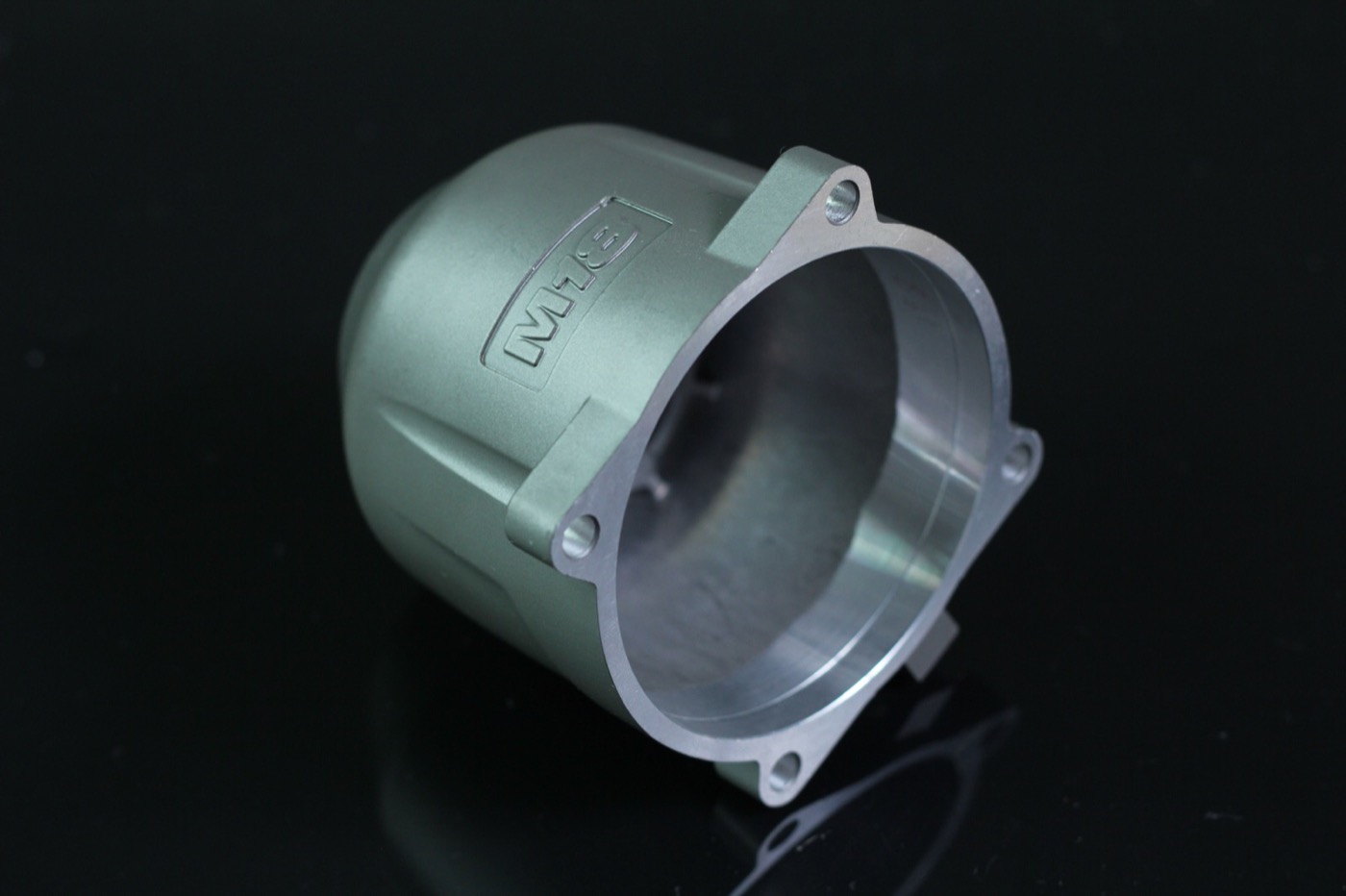
Both parts went through the same anodizing line. The difference is the substrate, and no amount of process tuning closes it. Decide the alloy and the finish together, and get a physical sample on the real alloy before tooling is released.
Sequence to hold on to: alloy → process → finish → tool design. Reverse any two of those and something gets paid for twice.
Relative cost, and where the money actually goes
Finish
Relative cost
Good for
Watch out for
As-cast / as-machined
—
Internal, hidden surfaces
Parting lines and ejector marks are visible
Sand / bead blasting
Low
Uniform matte, hiding minor variation
Media and pressure change the look — fix them in writing
Powder coating
Low–medium
Durable colour, most die cast housings
Edge coverage, masking of threads and mating faces
Wet painting
Medium
Fine colour control, special effects
More labour, more variation batch to batch
Anodizing
Medium–high
Extruded / wrought aluminium
Alloy dependent — see above. Colour varies between racks
Chrome plating
High
Decorative bright finish, wear surfaces
Substrate prep dominates the result and the cost
Finish cost per part is rarely what decides the budget. The rejection rate is. A cosmetically demanding finish on a substrate that cannot support it will cost more in scrap and rework than the process ever costs per piece — and the scrap arrives after you have already paid for the parts underneath it.
How to specify a cosmetic surface so it can be inspected
"Class A surface." "High gloss." "No visible defects." None of these are inspectable. Two reasonable people will disagree about every batch, and the disagreement always happens after the container has shipped.
Four things make a cosmetic specification enforceable:
1 · A physical boundary sample
Not a photograph, not a colour code — a physical part showing the worst condition you will still accept, signed and dated by both sides, with a duplicate kept in each location.
2 · Viewing distance and lighting
Inspected at 500 mm under diffuse light is a different standard from 150 mm under a spot lamp. Say which. Almost every cosmetic dispute I have mediated came down to two people standing at different distances.
3 · Which surfaces are cosmetic
Mark them on the drawing. A part usually has A, B and C surfaces and treating all of them as A is how you pay for perfection on a face nobody ever sees.
4 · Defect types and limits
Scratches, orange peel, colour variation, coverage at edges — each with a size and count limit per surface class. This is what turns "looks wrong" into a decision anyone can make.
Texture, parting line placement, ejector pin positions, draft angle and gate location all constrain what the finished surface can look like. Some examples that come up constantly:
An ejector pin under a cosmetic face leaves a witness mark that no coating fully hides. Move the pin at tool design; you cannot move it later.
A parting line across a visible surface becomes a permanent feature. It can be placed somewhere else — before the steel is cut.
Texture depth requires draft. A deeper texture needs more draft or the part drags on ejection and scores itself on the way out.
Masked areas cost money per part, forever. Threads and mating faces that must stay uncoated need masking on every single unit. Designing them out of the coated area is a one-time change.
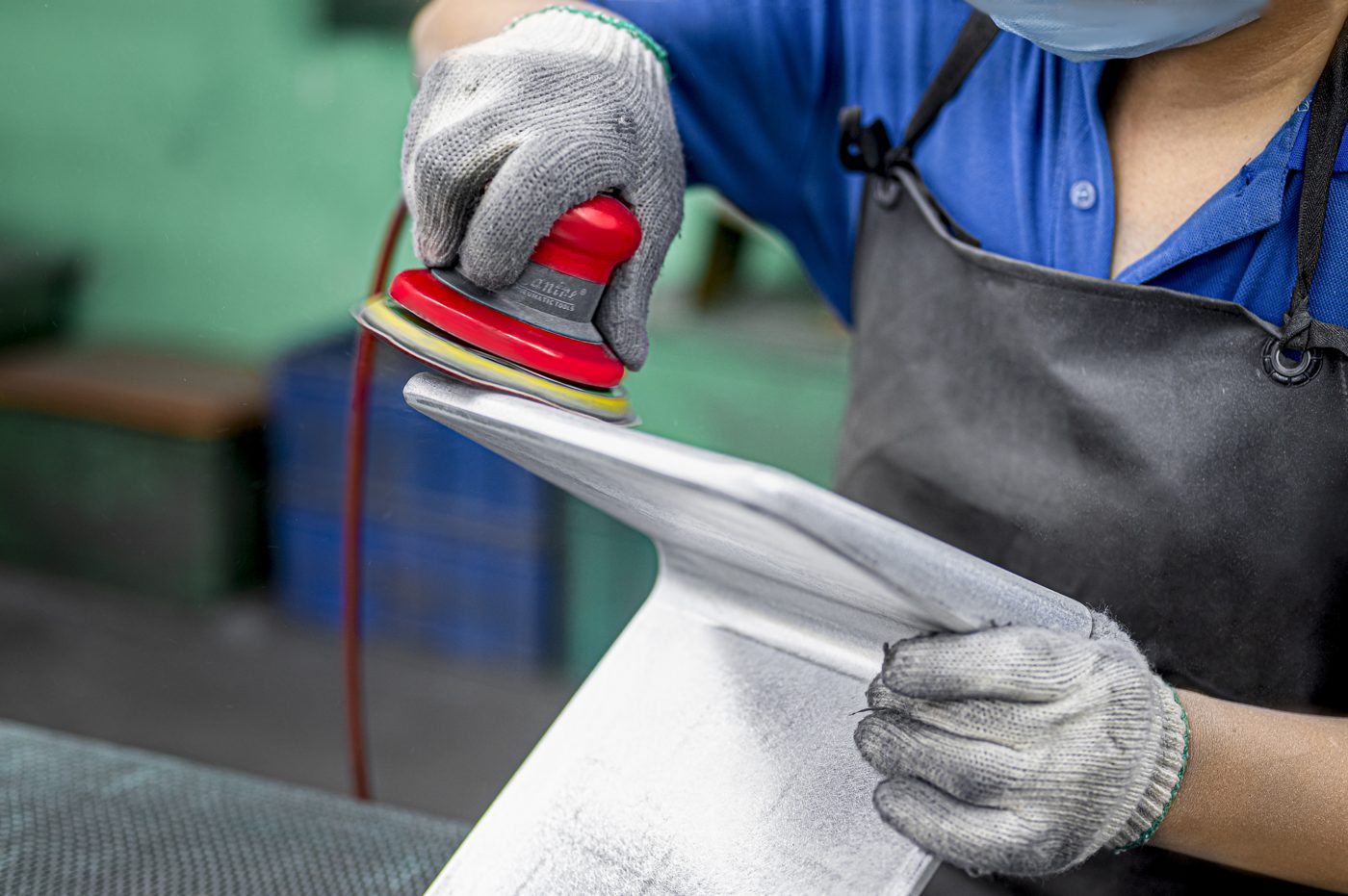
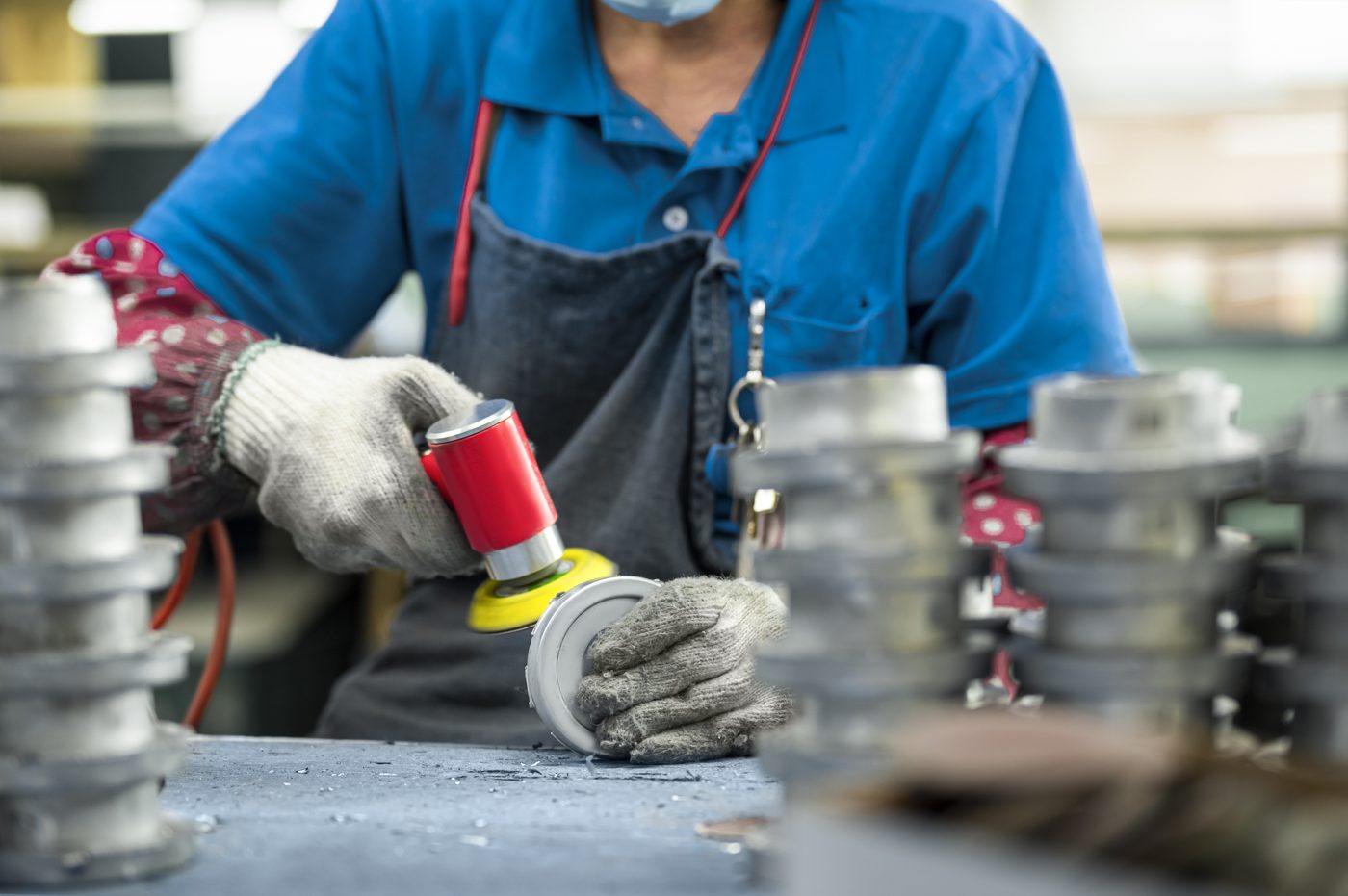
Anodizing, chrome plating, powder coating, wet painting and sand blasting are all on our own floor — dedicated paint and powder shops, polishing, ultrasonic cleaning and drying lines. That matters for one practical reason: when the finish argues with the casting, both processes are in the same building and can be changed together.
Die cast housing, coated finishLED street light housing — outdoor durability, not decorative brightnessCoating thickness and adhesion checked before dimensional sign-off
Stated plainly: the group holds ISO 9001, ISO 14001 and IATF 16949. The ISO scope covers mould making and injection moulding — it does not cover die casting.Full equipment and certification detail →
Have a finish you are not sure about?
Send the drawing and the reference sample you are trying to match. You get back whether the alloy and process can produce it, what it will cost, and — if the answer is no — what will get you closest.