Aluminium & zinc · hot chamber 138–250T · cold chamber 200–800T

Three degrees of draft is the cheapest decision you will make on this part.

It costs nothing at design stage and it is the difference between a die that ejects cleanly for a hundred thousand shots and one that scores parts, distorts them and wears itself out early. Almost nobody argues about it, and that is exactly why it keeps getting left off.

The short version
  • Three degrees of draft costs nothing at design stage and pays back over the whole tool life.
  • Aluminium die life is 50,000–100,000 shots — not the hundreds of thousands some quotes imply.
  • Porosity decides whether a part can be pressure-tight or anodized. Design for it, do not hope.
7die casting machines — 2 hot chamber, 5 cold chamber
50–100krealistic aluminium die life, in shots
800Tlargest cold chamber machine

What draft angle actually does

forced off · scores galling, distortion, die wear works on shallow features deep walls still drag ejects clean cheapest over tool life
Die casting needs more draft than injection moulding — the metal shrinks onto the core hard. Adding draft at design stage is free. Adding it after T1 means re-cutting steel, and the quote for that arrives as a line item nobody can explain.

The full story: a $9,400 "design revision" line on a mould quote →

Die life: the number most quotes get wrong

An injection mould in good steel can run for a very long time. An aluminium die cannot, and the reason is physical: molten aluminium thermally cycles the die steel on every single shot until it heat-checks.

Realistic die lifeWhy
Aluminium (ADC12)50,000 – 100,000 shotsHot metal, cold chamber, aggressive thermal cycling
Zinc (Zamak)Considerably longerRuns cooler in a hot chamber machine — far kinder to steel

If a quote implies hundreds of thousands of shots from an aluminium die, it is describing something else.

Ask which alloy the number assumes.

But here is the part that matters more, and almost nobody says it: for most brands, die life is not the constraint people think it is. A product selling 5,000 units a year will not consume a 50,000-shot die in a decade. You are being sold — and quoted for — durability you will never use. The number that should worry you is not die life. It is the re-cut after your first design revision.

Porosity decides more than you think

Conventional high-pressure die casting traps some gas. That is not a defect — it is the process. It becomes a problem in exactly three situations, and all three are predictable in advance:

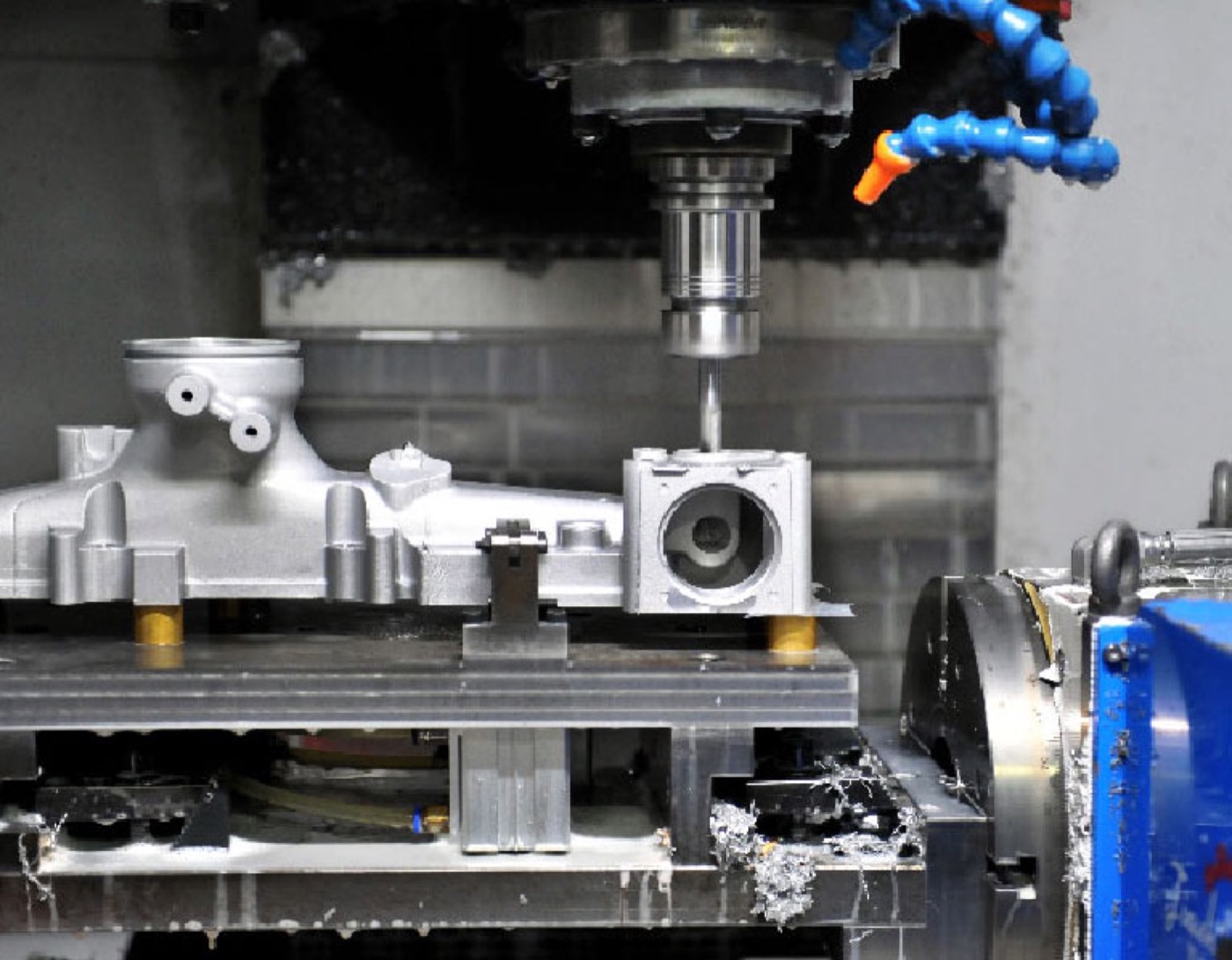
Machining into a wall

Cut into a section and you can open a pore that was harmlessly sealed inside. This is the classic leak that appears only after post-machining, not at the casting stage.

Anything pressure-tight

If it must hold air, water or oil, say so before the tool is designed. Gating, venting, wall sections and possibly vacuum assist all change. Impregnation becomes a routine step, not a rescue.

Decorative anodizing

Porosity plus high silicon content is why die castings do not anodize like extrusion. The full explanation →

All three are cheap to design for and expensive to discover. The discovery usually happens at first article, when the tool exists and the options have narrowed to bad ones.

ADC12 or Zamak

ADC12 (aluminium)Zamak (zinc)
MachineCold chamber, 200–800THot chamber, 138–250T
WeightLightRoughly three times heavier
Fine detail & thin wallsGoodBetter
Heat dissipationBetterPoorer
Die life50k–100k shotsConsiderably longer
PlatingDifficultPlates beautifully
Decorative anodizingNot reallyNo

The decision is almost never about price per kilogram. It is weight versus detail versus tool life — and if the part is going to be chrome plated, zinc usually wins before the conversation starts.

The floor

Two hot chamber machines at 138–250T and five cold chamber at 200–800T, with tapping, drilling, sand blasting, high and low temperature spray coating, polishing and ultrasonic cleaning on the same site. Post-machining of castings runs on the same 158-machine CNC and EDM floor.
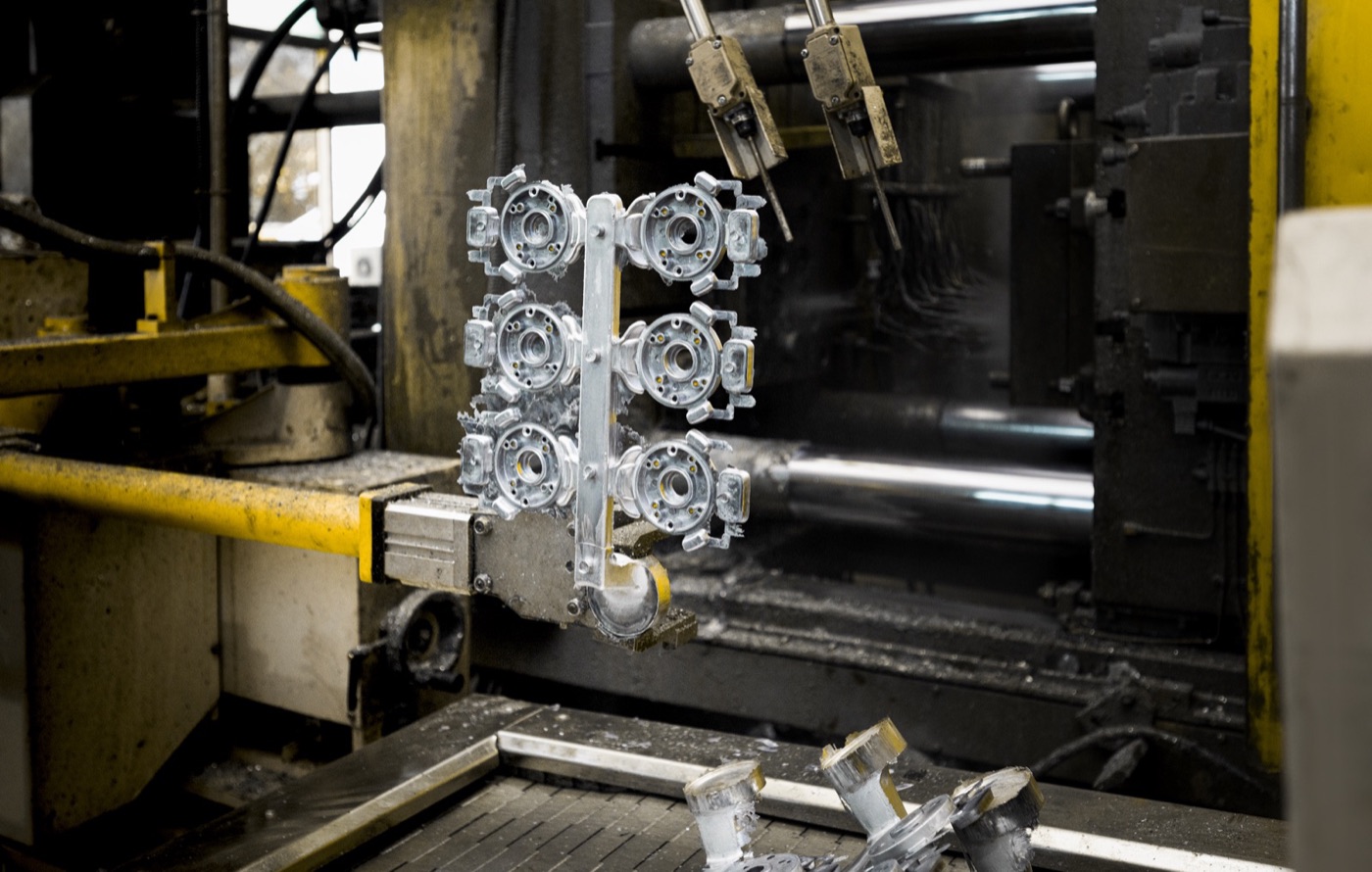
Die casting machine during a shot
The moment the die fills — and the moment the steel takes the thermal hit
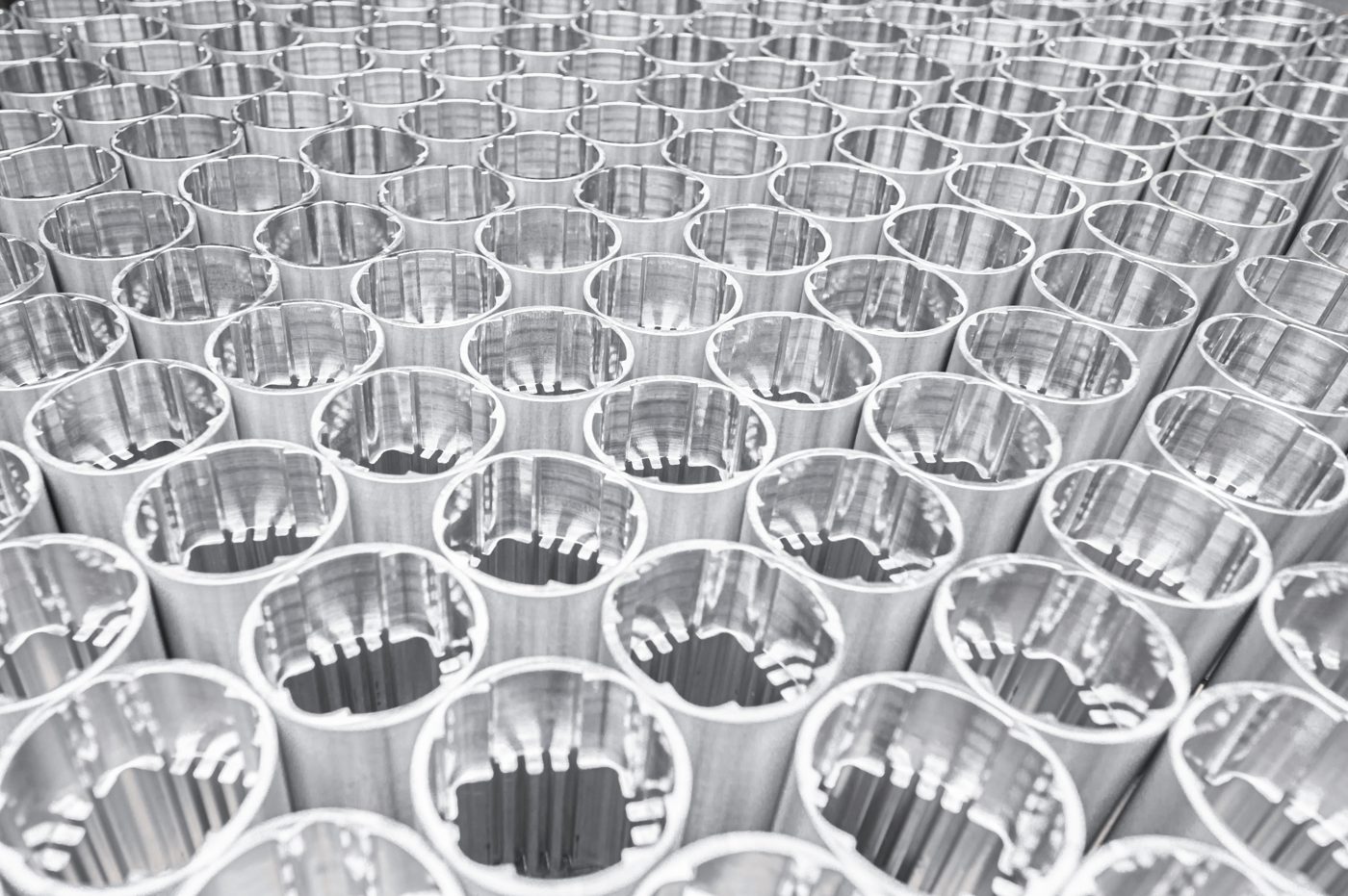
Array of die cast parts
Production output — consistency is the whole game
Die cast part being CNC machined
Cast the shape, machine only the faces that need tolerance

The certification disclosure I make on every casting page

The group holds ISO 9001, ISO 14001 and IATF 16949. The ISO scope reads "Design and Production of Moulds for Plastic Injection" — it does not cover die casting.

I would rather you learned that here than during due diligence. It is also exactly the check I would want you running on any supplier, including me: everyone can produce a certificate; almost nobody volunteers the scope page. Full detail →

Where to go from here

You have a casting design

Send it before tooling is quoted. You get back the draft, wall and porosity risks that will drive the price and the rejects.

DFM review & rates →

Deciding between processes

Cast, mould or machine from solid — the answer is volume arithmetic.

When to stop machining →

Quarterly metal prices

What we actually pay for ADC12, Zamak and mould steel, published from our own procurement records.

The cost index →