Three rules · all free to fix in CAD

Most sheet metal problems are three geometry rules being broken.

A radius too tight to bend without cracking. A flange too short for the brake to grip. A corner with no relief, so it tears. None of them are difficult, all of them cost nothing before the flat pattern is cut — and every one of them shows up at first article instead.

The short version
  • Inside bend radius ≥ 1× material thickness, or the outer fibre cracks.
  • Flange ≥ 4T + R, or it slips in the die and the angle stops being repeatable.
  • A missing bend relief is the most common reason a first article comes back with a torn corner.
2laser cutters
3press brakes — bend allowance from our own tooling
10punch presses

The three rules, drawn

1 · Bend radius 2 · Flange length 3 · Bend relief sharp → cracks R ≥ 1 × thickness harder tempers need more too short — slips in the die ≥ 4T + R long enough to grip = repeatable angle corner tears a notch. costs nothing.
Every one of these is a CAD edit before the flat pattern is generated, and a scrapped first article afterwards. The relief in particular is the single most common reason a first article comes back with a split corner — and the fix is a notch.

Why the flat pattern is not the sum of the sides

Material stretches on the outside of a bend and compresses on the inside. The neutral axis shifts, so the developed flat length is shorter than adding up the legs. That difference is the bend allowance, and it depends on material, thickness, radius and the forming method.

Practical consequence: send the 3D model and let the shop generate the flat pattern on their own numbers. A flat you calculated yourself, using a K-factor that does not match their tooling, produces parts that are dimensionally wrong in a way nobody notices until assembly.

What else moves the price

Number of bends and setups

Every bend is a handling operation. A part with four bends in one direction is far cheaper than four bends requiring three re-orientations — and the difference does not appear on the drawing.

Tolerance across a bend

Dimensions measured across a formed feature carry the bend's own variation. Datum from a single flat face where you can. Why chains matter →

Hardware and welds

Pressed-in nuts and standoffs are cheap; welding is not. Welding also distorts, which puts your flatness tolerance in danger after the part was already correct.

Finish

Powder coat masks a lot; brushed or anodized finishes show every handling mark, and handling marks happen after forming. Specifying a finish that can be inspected →

When sheet metal is the wrong answer

The same honesty I apply to CNC applies here. Sheet metal is excellent for enclosures, brackets, chassis and panels — low tooling cost, fast iteration, easy to change.

Welding five pieces to imitate a shape a casting makes in one shot.

That is where sheet metal stops being the cheap answer — the assembly labour quietly exceeds the tooling you were avoiding. It happens whenever the part needs thick sections, complex internal geometry, or integrated bosses and ribs.

How die casting compares →  ·  When to machine instead →

The equipment, and an honest note on scale
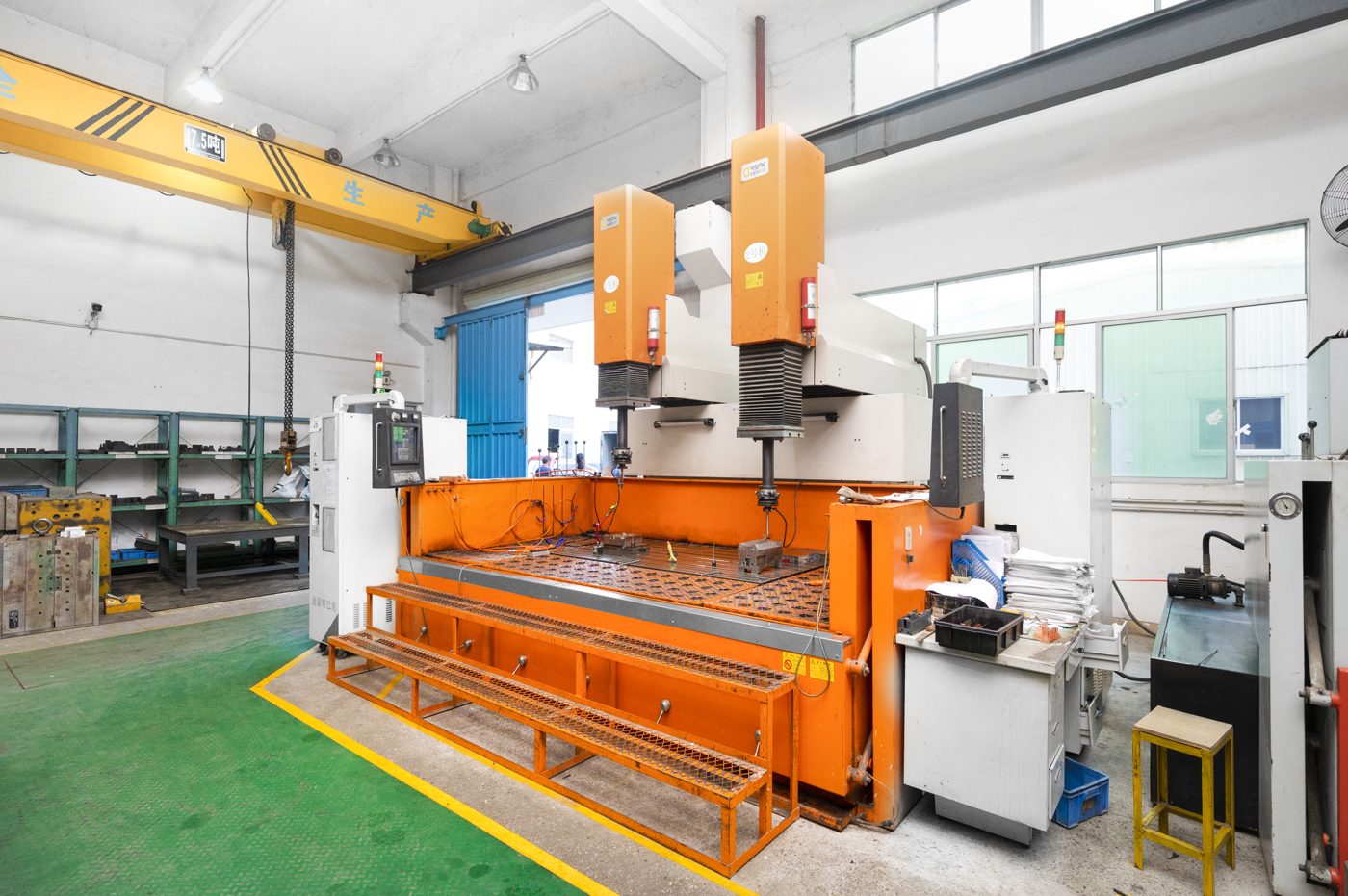
Press brake and shearing equipment
Forming happens here — which is why bend allowance comes off our own tooling
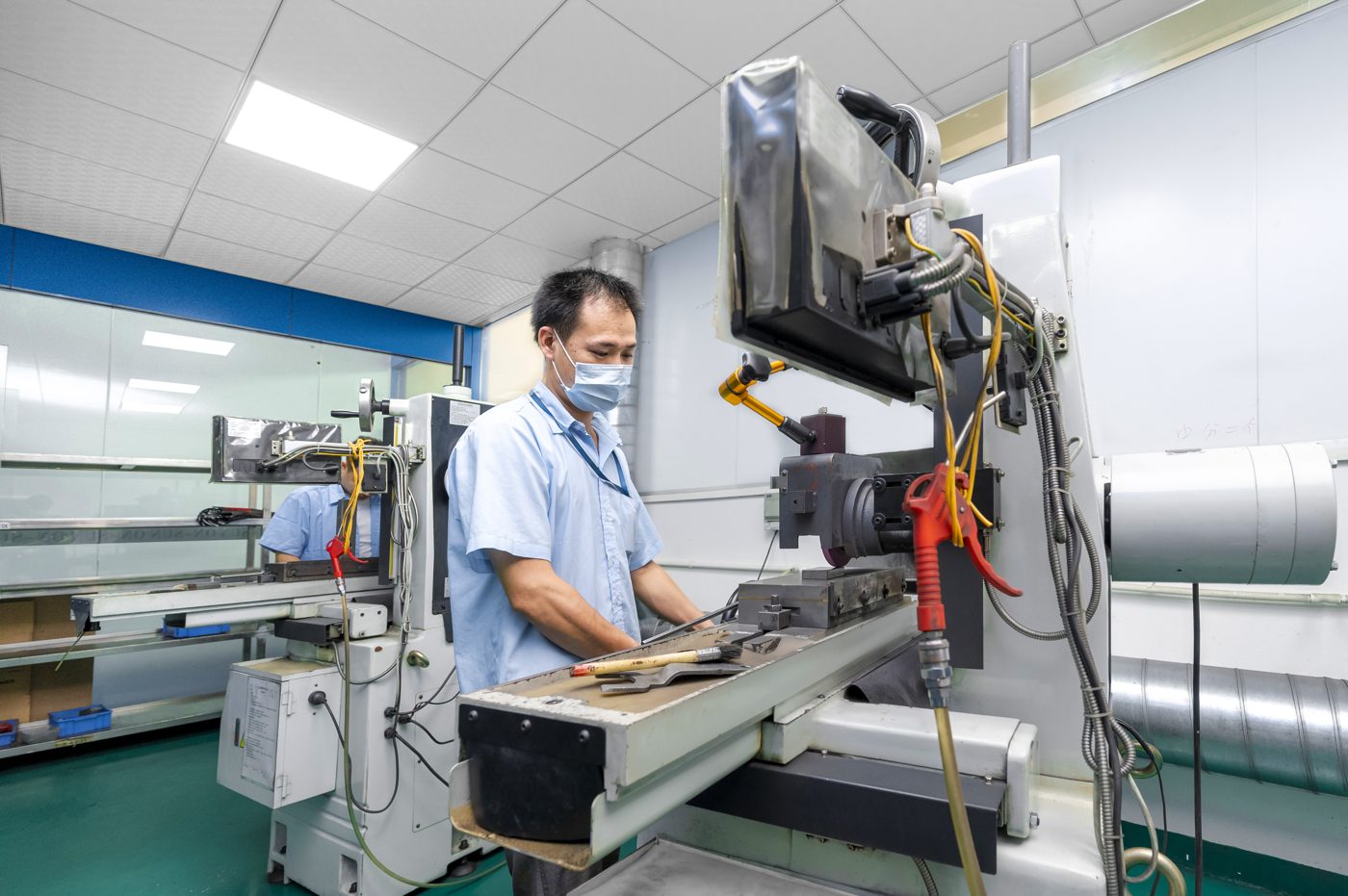
Operator at a production machine
Setups, not just machines — the cost is in the handling
Finished parts ready for inspection
Where formed panels meet moulded and cast parts
ProcessMachinesWhat it means for you
Laser cutting2Flat patterns cut in house — no tooling cost, so design iterations are cheap and fast
Press brake forming3Bends formed on site, which is why bend allowance comes off our own tooling rather than a textbook K-factor
Punch presses10Repeat features and higher-volume blanking, where laser time would dominate the cost

Honest framing: this is a capable sheet metal shop sitting next to a large mould, moulding and casting operation — not a dedicated high-volume stamping house. That is genuinely useful when your product mixes formed panels with moulded or cast parts, because the whole assembly is designed and measured in one place, on the same six CMMs. If your product is only sheet metal and runs into the millions, a specialist stamper will beat us on price and I would say so on the call.

Full equipment list across all processes →

Send the model before the flat pattern

You get back the bends that will not form, the corners that will tear, and where the tolerance chain is fighting the forming. Quoted per part.

DFM review & project rates

Producing at volume? The managed department · First product? Free templates & checklists