What prototype manufacturing is for
Prototype manufacturing means making physical versions of a product before production tooling exists, so the design can be seen, handled, tested and corrected while changes are still cheap. Every guide lists the same processes — 3D printing, machining, vacuum casting, short-run tooling. The process is the easy decision.
The hard decision is what the prototype is supposed to prove. A prototype is an experiment, and an experiment that cannot fail tells you nothing. The most expensive prototype round is not the one with the highest invoice; it is the one that confirmed something you already believed and missed the thing that was going to go wrong.
Pick the prototype by the question it answers
Turnaround times below are typical across the industry, for orientation only — not a quote.
| The question | Prototype that answers it | Typical turnaround | What it cannot tell you |
|---|---|---|---|
| Does it look and feel right? | SLA print or machined model, painted to the target finish | Days | Anything about strength, fit at volume, or cost |
| Does the mechanism work? | FDM, SLS or MJF print; machined parts for loaded features | Days to a week | How the production material behaves; printed parts are weaker in one direction |
| Will it survive real use and testing? | Machined from the production-grade material, or vacuum cast in a matched resin | 1–3 weeks | Moulding or casting defects — the prototype has none of them |
| Do users and test labs accept it? | Vacuum-cast batch (low tens) or a simplified short-run tool (hundreds) | 2–6 weeks | Production cycle, yield and the final tool's behaviour |
| Can the factory make it, repeatedly? | First samples from the production tool (T1) | With the tool | Nothing is hidden any more. This is the only prototype that tells the whole truth |
Read the right-hand column before the middle one. Each row is cheap for what it proves and blind to what it does not, and most projects get into trouble by treating a "yes" in one row as a "yes" in the row below it.
Five ways a prototype passes and production fails
Every one of these comes from the same gap: the prototype was made by a process that does not care about the things the production process cares about most.
1 · No draft
A printed or machined part needs no draft angle. A moulded or cast one does, or it drags on ejection and scores itself. Add the draft late and every wall that was designed parallel changes thickness, which changes fit, which changes the parts it mates with.
Why three degrees of draft is the cheapest decision on a casting →
2 · Thick sections that never sink
A solid boss prints perfectly. Moulded, the same boss keeps cooling after the surface has frozen and pulls a dimple into the show face, and it adds seconds to every cycle. The prototype gave no warning, because a printer does not shrink the way a mould does.
Wall thickness, sink and cycle time →
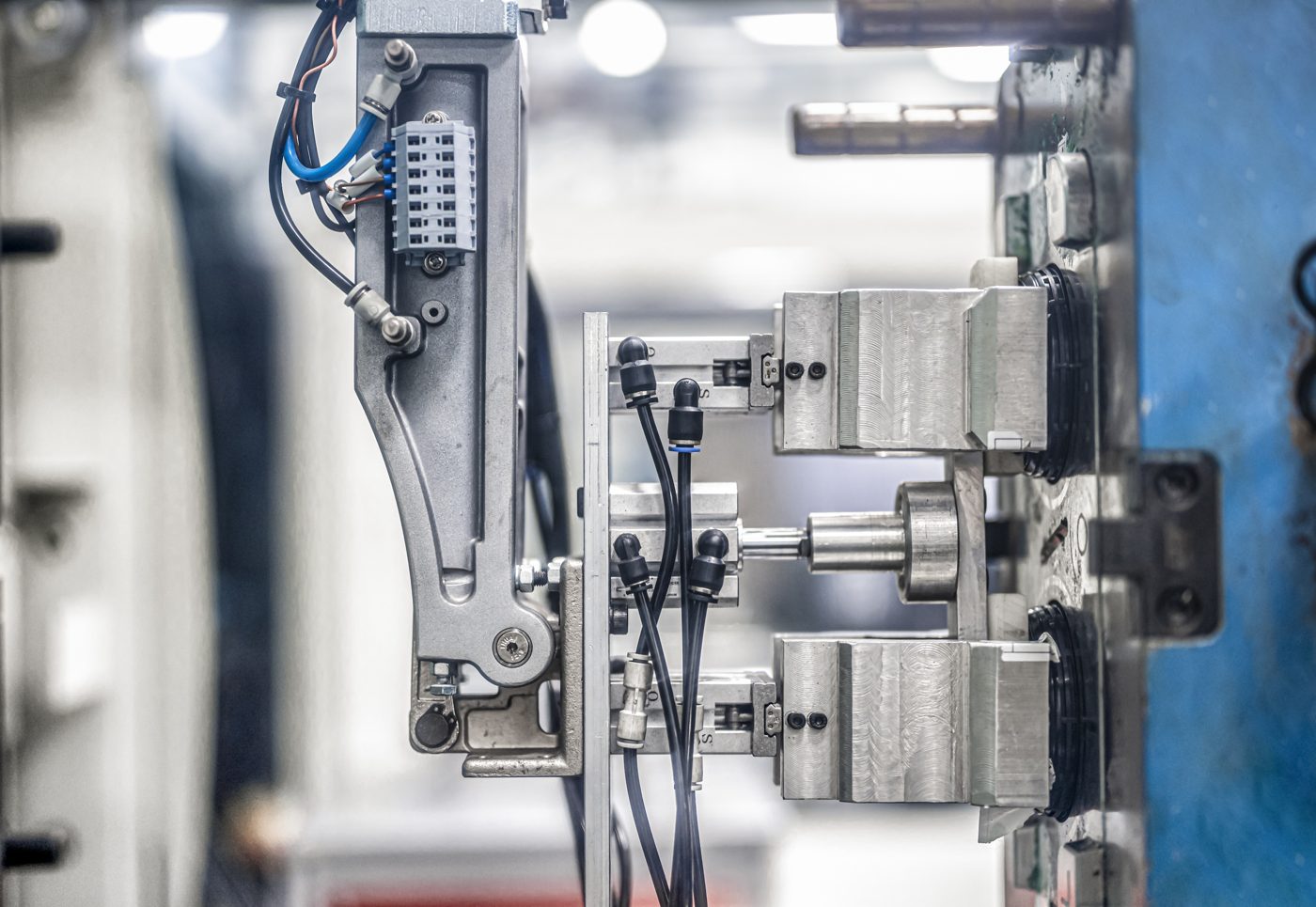
3 · "ABS-like" is not ABS
Vacuum-casting resins are chosen to imitate a production plastic, and printed materials are often only named after one. Snap fits, living hinges and screw bosses are exactly where the difference shows: a clip that survives a hundred cycles in resin can crack in a week in the moulded grade, or the other way round.
4 · A machined billet is not a die casting
An aluminium part machined from solid 6061 is dense, strong and anodises beautifully. The die casting that replaces it in production carries some porosity, and its high silicon content means it will not anodise like the prototype did. A finish approved on the prototype can be one the production part cannot deliver.
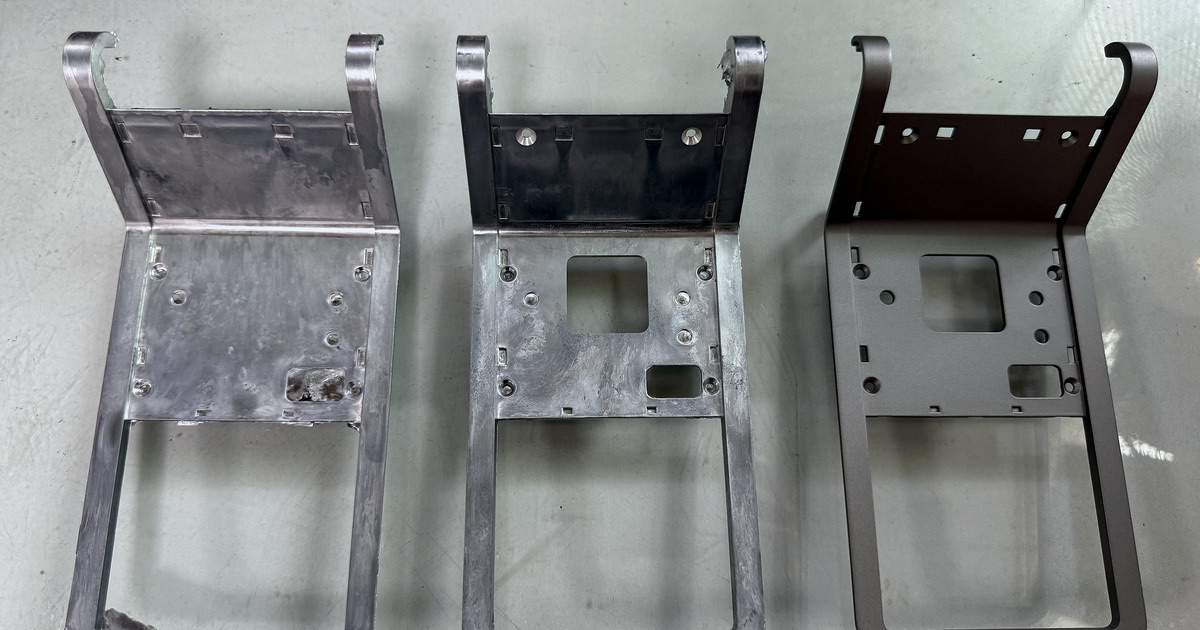
5 · Tolerances that were never a process
One prototype that fits proves one set of dimensions fits. Production makes thousands, each slightly different, with shrinkage that depends on wall, gate and material. If the critical gap was never written as a tolerance chain, the prototype's perfect fit was luck, and the production run will find out.
Why every part can pass and nothing fits →
That 0.8 mm wall doesn't fail in SolidWorks. It fails at 400 shots an hour on a cold die at 3 am.
Why this is the part of the work we are best at
The engineers I work with in Europe and the US are very good at design, simulation and testing. What fewer of them have had is years on a factory floor watching designs meet tools — and that experience is exactly what decides whether a prototype tells the truth. It is also the one thing a prototype shop cannot sell you, because a prototype shop's job ends when the prototype works.
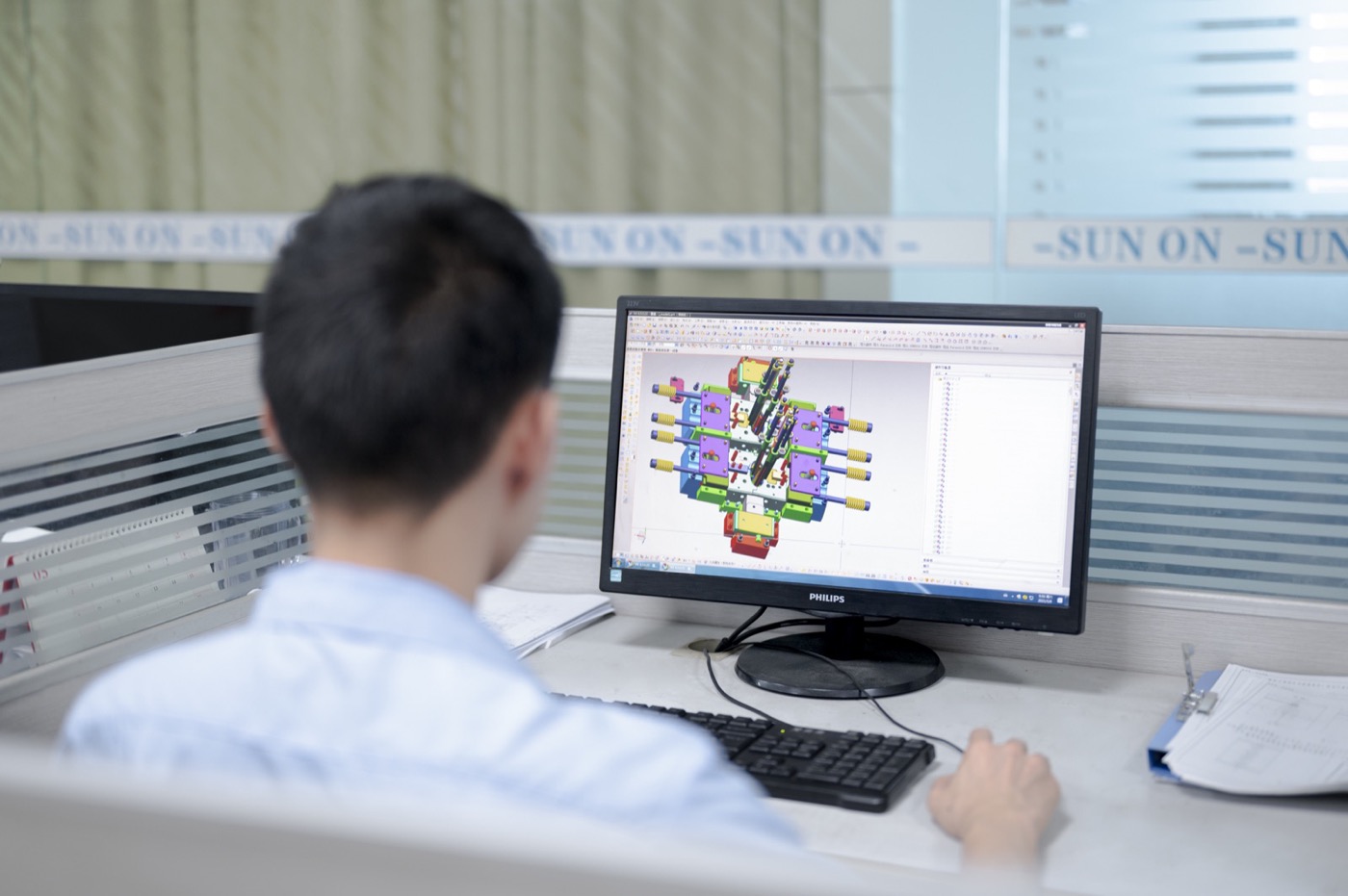
Mine started at the bench. In my first job I printed 2D drawings, pasted them onto mica sheets, sawed the shapes with a fretsaw, and built the samples myself and tested them against UL, IEC and EN safety standards until they passed. Later, at the China office I built for Termozeta, an Italian appliance brand, our core lines were industrial irons and capsule coffee machines — and the China team designed and developed most of them ourselves.
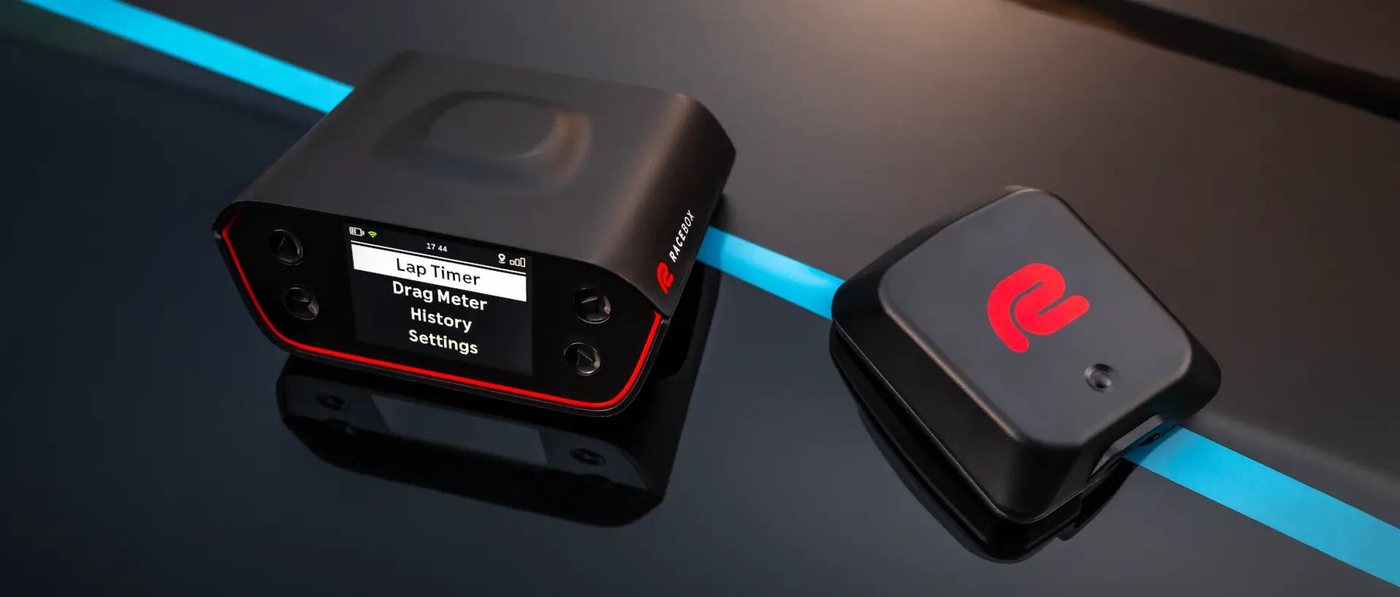
From 2015 I began working with overseas hardware teams, and at the busiest stage was involved in or hosted no fewer than fifty projects a year. Some arrived as little more than sketches; others were already close to production. One hairbrush went through repeated material trials before reaching consistent production. With RaceBox, from the first generation through RaceBox Mini, I took part in the full journey from concept and engineering development to shipment.
Behind that is the group's engineering team — six product designers, fifteen project engineers and thirty tool engineers, with Moldflow simulation. The factory, specifically →
After the first prototype
The sequence has not changed in thirty years: the first prototype, then a validation batch of about ten units, then a pre-mass-production run of about a hundred on the production process, then mass production. Every stage exists to catch what the stage before it missed. The ten-unit batch catches design intent problems; the hundred-unit run catches process problems. Larger programmes formalise the same idea as EVT, DVT and PVT.
Why founders skip the pilot run, and what it costs →
One more question no prototype answers
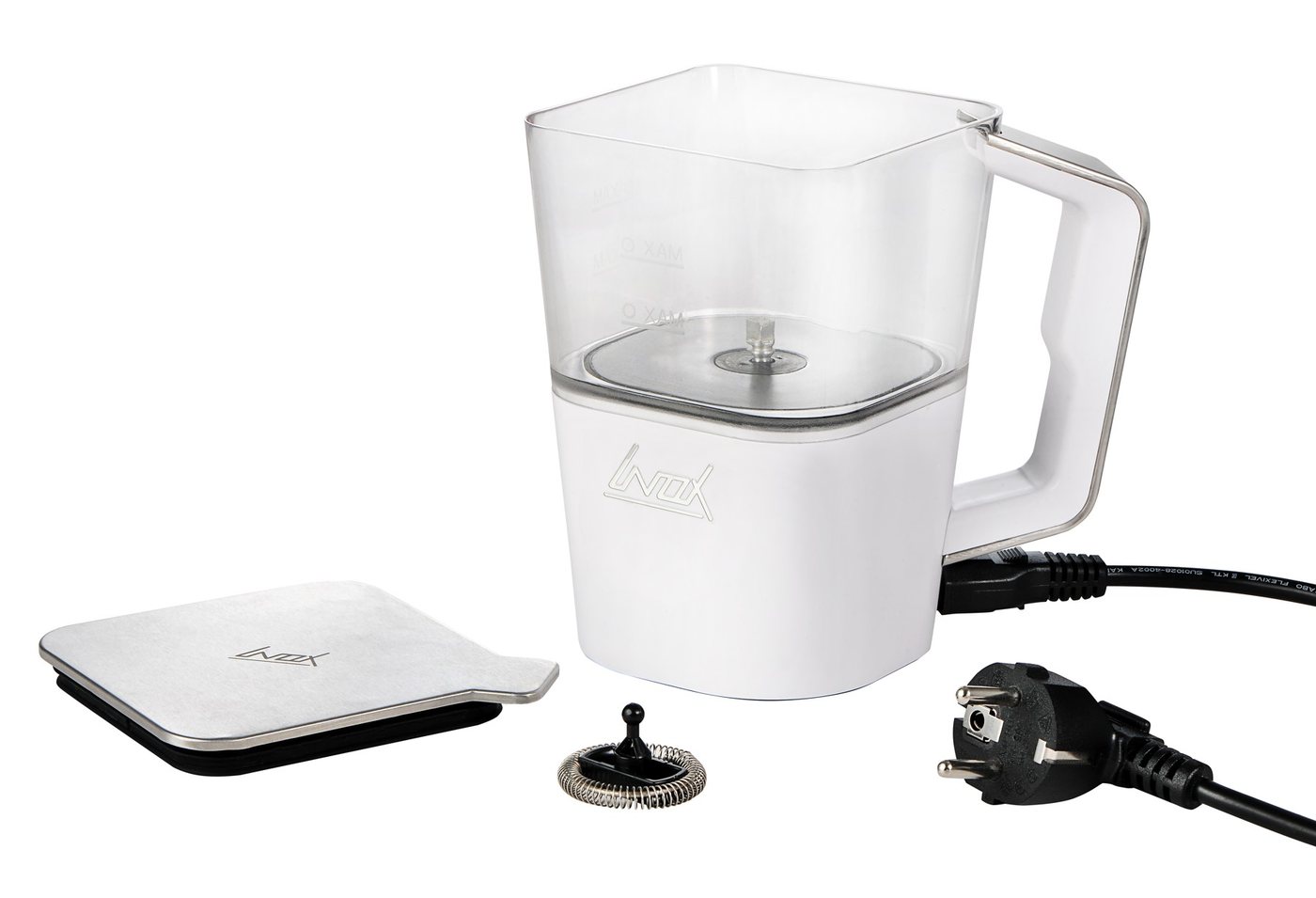
My own first product at SunOn was a milk frother: a square jug in transparent Tritan, designed for the dishwasher. It attracted attention, but attention did not become enough orders — we had never validated that anyone wanted it, and the complexity I was proud of slowly ate the cost advantage.
"It can be built" is an engineering conclusion. It does not mean "it should be built."